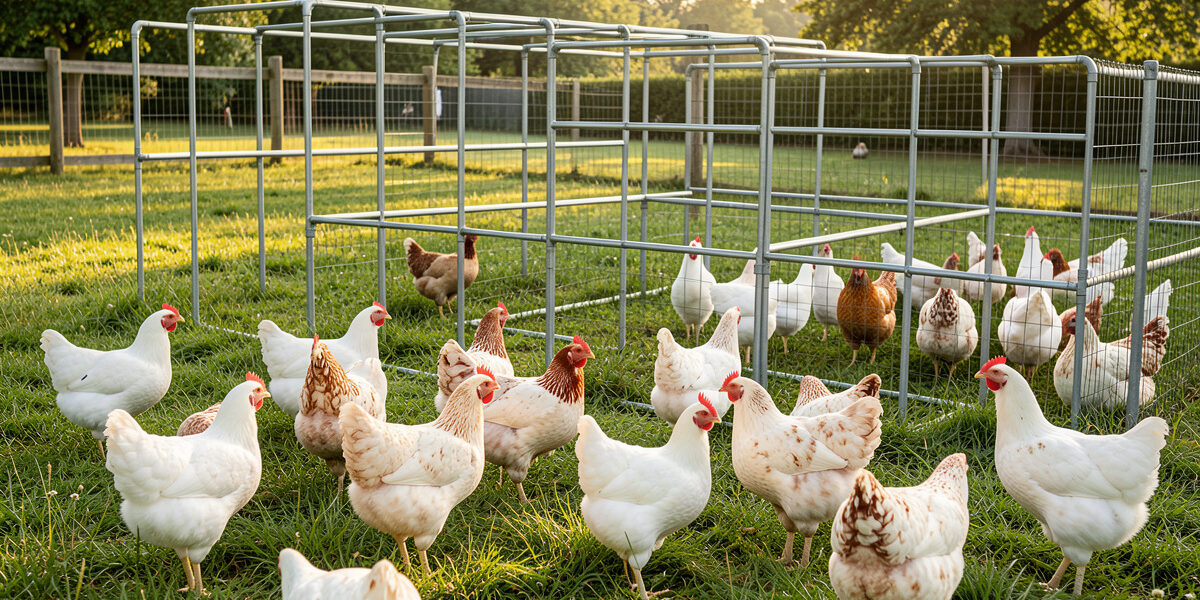
Raising meat chickens in a backyard flock means picking the right kind of bird, feeding it correctly, and planning for harvest day before the chicks ever arrive. Fast broilers reach a 4-to-6-pound dressed weight in 7 to 9 weeks; dual-purpose breeds take 16 to 20 weeks for a smaller, firmer carcass. Both can be done humanely on a backyard scale.
I keep a cold-hardy laying flock in Sweden, but the meat-bird question comes up every spring from readers who want to fill a freezer the same way they fill an egg basket — on their own terms, in their own run. This guide is the keeper-engineer version: what actually changes in your setup, your feed bill, and your daily routine when the birds in the brooder are headed for the table instead of the nesting box. It is written to be factual and humane, and it routes the genuinely specialist parts — disease treatment, the mechanics of processing, your local statutes — to the people and pages that should own them.
What “Meat Chickens” Actually Means
A meat chicken is any bird raised primarily for its carcass rather than its eggs, and in practice there are three honest paths: fast-growing hybrid broilers, slower heritage or “dual-purpose” breeds, and surplus cockerels culled from a laying flock. Each grows at a different rate, eats a different amount, and produces a noticeably different bird on the plate.
The marketing blurs this on purpose. A bag of “meat bird” chicks at the farm store is almost always Cornish Cross — the industrial hybrid behind nearly every supermarket chicken — and nobody tells the first-timer that this bird is a different animal to manage than the Wyandottes in their existing run. It eats like it is being paid to, it does not forage, and it is finished and gone before a laying pullet has reached point of lay. Understanding which of the three paths you are on is the single decision that shapes everything downstream: coop space, feed, timeline, and how processing day feels.
If you are still deciding which bird to raise, the meat chicken breeds comparison lays the options side by side. For keepers who would rather one flock do double duty, the dual-purpose chicken breeds for meat guide covers the birds that lay reasonably and still dress out into a worthwhile carcass.
The Three Real Paths to a Freezer Bird
The fastest path is the Cornish Cross broiler: ready in 7 to 9 weeks at 4 to 6 pounds dressed, with a feed conversion of roughly 2 pounds of feed per pound of gain — the best of any path by a wide margin. The trade-off is that this bird needs careful feed management to avoid leg and heart problems, and it is not a forager.
The middle path is the slower-growing hybrid — Red Rangers, Freedom Rangers, and similar “colored” broilers — which take 9 to 12 weeks, forage actively, and tolerate pasture and weather far better. The carcass is a little smaller and the feed bill a little higher per pound, but the birds behave like chickens rather than feed-conversion machines.
The slow path is the dual-purpose heritage breed — Wyandotte, Orpington, Australorp class — raised to 16 to 20 weeks. You get a smaller, firmer, more flavorful carcass, the cockerels are a by-product of a laying flock you were keeping anyway, and the whole thing fits a cold-climate, free-range setup without special handling. It is the least efficient on feed and the most forgiving on management.
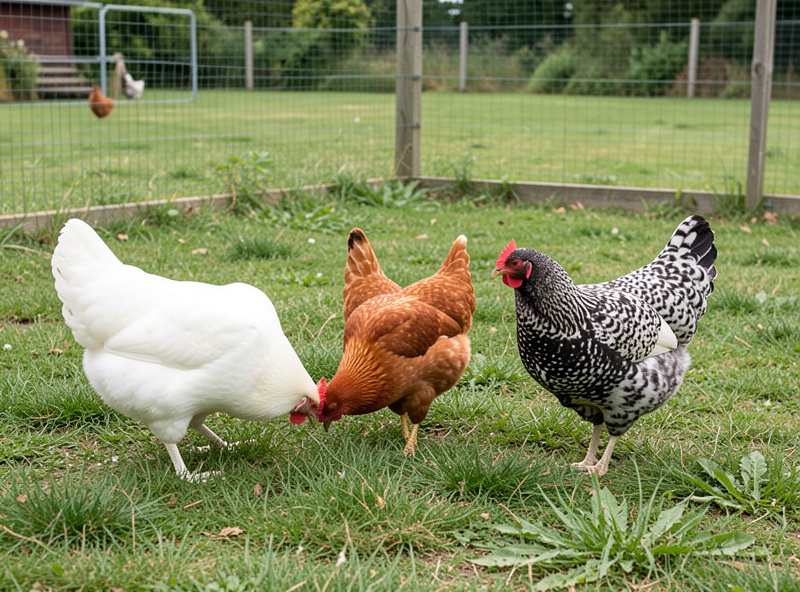
Meat Bird Paths Compared
Here is how the three paths line up on the numbers that decide a backyard build. Treat these as planning figures — your feed bill, weather, and management will move them.
| Factor | Cornish Cross | Slow Hybrid (Rangers) | Dual-Purpose Heritage |
|---|---|---|---|
| Weeks to harvest | 7–9 | 9–12 | 16–20 |
| Dressed weight | 4–6 lb | 4–5 lb | 3–4.5 lb |
| Feed per lb gain | ~2:1 | ~2.5–3:1 | ~3.5–4.5:1 |
| Forages? | Poorly | Actively | Actively |
| Cold-climate tolerance | Low (managed) | Good | Excellent |
| Carcass character | Broad breast, tender | Balanced | Lean, firm, flavorful |
| Best for | Freezer fill, speed | Pasture, balance | One flock, eggs + meat |
If speed and a freezer full of familiar-looking birds is the goal, the dedicated guide to raising Cornish Cross broilers covers the feed-restriction and heat-management routine that keeps that fast bird healthy to harvest.
How Many Birds, and the Space Reality
Plan on 25 to 35 finished broilers to genuinely stock a freezer for a family of four for a year, but start smaller — a first batch of 10 to 15 teaches you the routine without burying you in feed and processing. Space is where meat birds differ from layers: broilers grow fast and foul bedding faster, so a Cornish Cross needs about 2 square feet per bird indoors and the slower types want pasture access.
The “chicken math” trap that swallows layer keepers is less of a risk here because meat birds are a planned, finite batch — but the manure load is not. A pen of 25 broilers in their last two weeks produces a startling volume of nitrogen-rich waste, which is exactly why the deep litter method or a moved pasture pen matters. That waste is not a problem so much as a resource; it feeds straight into a chicken-powered garden compost cycle if you plan for it. Get the housing right first with the coop ventilation guide, because a fast-growing bird in a humid, under-ventilated pen is a sick bird waiting to happen.
Brooding Meat Chicks: The First Weeks
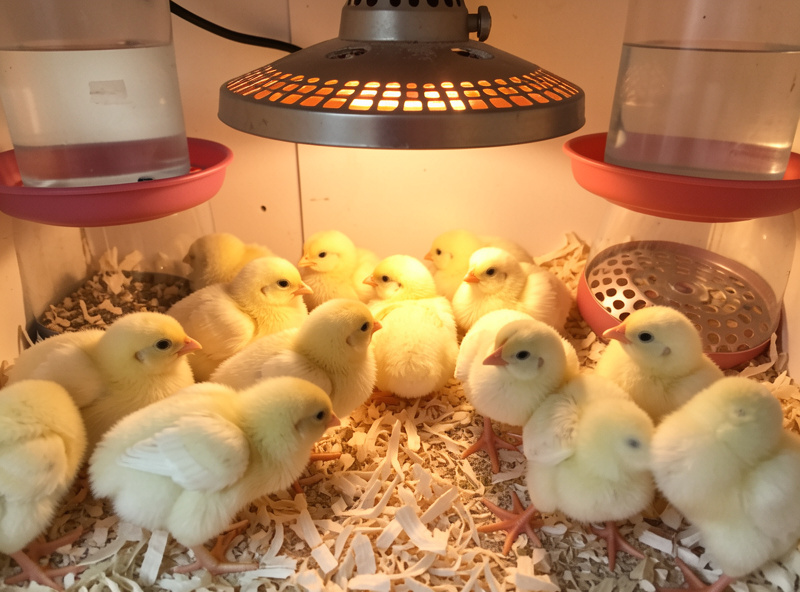
Meat chicks brood exactly like laying chicks for the first two weeks — 95°F under the heat source for week one, dropping about 5°F a week — but they eat and drink far more, so waterer and feeder capacity is the thing that catches people out. A brooder sized comfortably for 15 layer chicks will be a muddy, crowded mess with 15 broiler chicks by week three.
The setup is the same one I use for any chicks: a draft-free brooder, a radiant heat source rather than a fire-risk lamp where possible, and clean water above all. The chick brooder setup guide and the heat plate versus heat lamp comparison both apply directly. Watch for pasty butt in the first week and read the early-warning signs in common chick problems — a fast-growing chick has less margin for a rough start than a layer does.
Feeding for Meat: The Part Most Guides Skip
Meat birds run on a higher-protein feed than layers — typically a 20–22% protein broiler or “meat bird” starter for the first few weeks, stepping down to an 18–19% grower/finisher — and feed is by far your largest cost, usually 65–75% of the total to raise a bird. The single most important feeding rule for Cornish Cross is that you do not leave feed in front of them around the clock.
That last point is the one that separates a healthy batch from a batch with leg failures and flipped birds. Free-feeding a Cornish Cross lets it grow faster than its skeleton and heart can support; a 12-hours-on, 12-hours-off feed schedule from about week two slows the growth curve into something the bird’s frame can carry. Slower hybrids and heritage birds do not need this restriction — they self-regulate. For the protein and stage details across all poultry, the feed protein requirements by age guide and the broader feeding and nutrition guide are the references I send people to. The full feed math lives in the cost of raising meat chickens breakdown.
Housing: Tractor, Pasture Pen, or Existing Coop
Most backyard meat birds do best in a movable pasture pen or “chicken tractor” that gives fresh ground every day or two, keeps the manure spread out, and lets the slower breeds forage. A bottomless pen moved daily turns a manure problem into a fertilized lawn and keeps the birds on clean grass.
If you are finishing birds in a static coop instead, ventilation and bedding management become critical because broilers produce moisture and ammonia far faster than layers. The ventilation versus draft distinction — moving air above the birds without blowing on them — is the difference between dry, healthy birds and a respiratory outbreak. Predators see a pen of slow, heavy meat birds as an easy meal, so the same rules apply as for any flock: hardware cloth, never chicken wire, and a properly predator-proofed enclosure. A fox does not care whether the bird inside is a layer or a roaster.
Health and Welfare Watch-Points
The two health issues specific to fast meat birds are leg/skeletal problems and heart failure from over-fast growth, both managed mainly through that feed-restriction schedule and clean, dry footing. Everything else is ordinary flock husbandry: clean water, dry bedding, good airflow, and biosecurity.
I write coop tech and husbandry with full confidence, but I route anything that looks like disease to a professional, and you should too. If a bird shows respiratory signs, swollen joints, or sudden lethargy, that is a husbandry-awareness moment, not a diagnosis-by-blog moment — the keeper health guide, coccidiosis signs, and biosecurity practices cover the awareness side, and an avian vet covers the rest. Coccidiosis in particular is a real risk in warm, damp brooders, so clean water and dry litter earn their keep.
Timeline to Harvest by Bird Type
The whole project is paced by the bird you chose: a Cornish Cross is brooder-to-freezer in about 8 weeks, a slow hybrid in 10 to 12, and a heritage cockerel in 16 to 20. Marking the target week on the calendar the day the chicks arrive is the simplest planning tool there is, because feed orders, pen moves, and processing-day logistics all hang off it.
Heritage birds give you flexibility — a few extra weeks changes the carcass only gradually — while Cornish Cross do not: held much past 9 weeks they keep growing into welfare and leg trouble, so the harvest window is genuinely a window. Plan the date, order feed to match, and do not let a fast bird drift past it.
Processing Day: A Humane Overview
Home processing of meat birds is legal for personal use in most places and, done with preparation, is calm, quick, and humane — but the specifics belong in their own careful guide, not a paragraph here. The principles that matter at the planning stage are simple: handle birds calmly, withhold feed (not water) for about 12 hours beforehand so the crop is empty, have everything clean and ready, and keep the carcass cold immediately after.
The goal is a swift, low-stress process and clean, food-safe results. I keep the step-by-step mechanics, equipment, and food-safety chilling details in the dedicated home poultry processing basics guide, written factually and without sensationalism, so readers who want it can find it and readers who do not are not ambushed by it. If you would rather not process at home at all, many areas have a small custom poultry processor who will do it by appointment — your local regulations guide is the place to start working out what is allowed where you live.
What It Costs and What the Rules Are
Expect a home-raised broiler to cost somewhere between a budget supermarket bird and a premium organic one — typically a few dollars per pound of finished meat once feed, chicks, and brooder running costs are counted — which means people raise their own for quality, traceability, and self-reliance rather than pure savings. The honest, line-by-line math is in the cost of raising meat chickens guide.
Before any of it, check what your jurisdiction allows. Zoning, flock limits, slaughter rules, and sale restrictions vary enormously between a rural municipality and a city lot, and “my neighbor does it” is not a permit. The backyard meat chicken regulations guide explains the categories to look up and who to ask — it points you at your own authorities rather than guessing them for you. As an Amazon Associate I earn from qualifying purchases. A simple poultry hanging scale is the one tool I would buy first — knowing real weights turns guesswork into a plan.
Cold-Climate and Seasonal Timing
The best window to raise meat birds in a cold climate is late spring through early autumn, so the batch grows out before hard frost and you are not running a heated brooder against a Nordic winter. Day-old chicks need 95°F regardless of the season, but finishing 4-pound broilers in an unheated pasture pen in October is a fight you do not need.
There is a real difference between the bird types here, and it is the same lesson my laying flock taught me: cold itself rarely hurts a chicken — moisture and wind do. A heritage cockerel finishing in cool autumn weather is fine in a dry, draft-free shelter; a Cornish Cross is far less robust, carries less feather, and copes badly with both cold and heat, which is another reason its short grow-out is a feature. If you must brood early in the year, the same heated-brooder and ventilation discipline I use for spring layer chicks applies, and the ventilation guide is doing the heavy lifting. Time the batch so the birds are biggest when the weather is kindest, and the whole project gets easier.
Water, Feeders, and the Daily Routine
A pen of meat birds is a daily commitment of about 10 to 15 minutes: check water at least twice a day, top up or schedule feed, move the pasture pen if you run one, and eyeball every bird for limping, panting, or lethargy. Water is the one that cannot slip — a fast-growing broiler in summer drinks more than people expect, and an empty waterer on a hot afternoon is a genuine welfare risk.
I run horizontal-nipple waterers on my own flock because they stay clean and do not tip, and the same logic applies to a meat batch: clean water, always available, is non-negotiable. For feed, a treadle or covered feeder cuts the rodent attraction that a pen of high-protein feed inevitably creates, and on the restricted Cornish Cross schedule it is simplest to pull the feeder at night and return it in the morning. The daily walk-through is also your health monitor — a bird that is off its feet or breathing hard at the morning check is the one that needs attention before it becomes a problem, which loops straight back to the husbandry-awareness habit and, when needed, an avian vet.
Frequently Asked Questions
How long does it take to raise a meat chicken?
It depends on the bird. Cornish Cross broilers reach a 4-to-6-pound dressed weight in 7 to 9 weeks. Slow-growing hybrids like Red Rangers take 9 to 12 weeks, and dual-purpose heritage breeds take 16 to 20 weeks for a smaller, firmer carcass.
How many meat chickens should a beginner start with?
Start with 10 to 15 birds for a first batch. That is enough to learn brooding, feeding, and processing without an overwhelming feed bill or workload. A family of four wanting a year of chicken typically raises 25 to 35 finished birds once they have the routine down.
Is it cheaper to raise your own meat chickens?
Usually not dramatically cheaper than a budget supermarket bird, because feed is 65 to 75 percent of the cost. Most keepers raise their own for quality, traceability, and self-reliance rather than savings. Home-raised birds tend to land between budget and premium organic store prices per pound.
Can you raise meat chickens with laying hens?
You can, but it is often easier to keep them separate. Meat birds eat a higher-protein feed, grow faster, and foul bedding quicker than layers. Dual-purpose heritage breeds are the exception, since one flock can supply both eggs and the occasional table bird.
Do meat chickens need a different feed than layers?
Yes. Meat birds run on a higher-protein broiler feed, around 20 to 22 percent protein as a starter, stepping down to 18 to 19 percent for grow-out. Layer feed has added calcium and lower protein that does not support fast muscle growth.
Is it legal to process chickens at home?
In most places home processing for personal use is legal, but rules on selling meat, slaughter location, and flock numbers vary widely by jurisdiction. Always check your local zoning and agricultural authority before starting, and consult the regulations guide for the categories to research.
Related Guides in This Cluster
- Meat Chicken Breeds Compared: Best Birds for the Table
- Raising Cornish Cross Broilers: The Fast-Growth Guide
- Dual-Purpose Chicken Breeds for Meat and Eggs
- Home Poultry Processing Basics: A Humane Overview
- The Real Cost of Raising Meat Chickens
- Backyard Meat Chicken Regulations: What to Check First
Related Guides
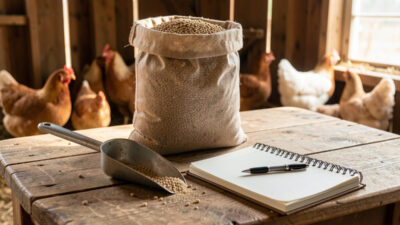
The Real Cost of Raising Meat Chickens
Raising your own meat chickens typically costs about 8 to 14 dollars per finished bird, or roughly 2 to 3…
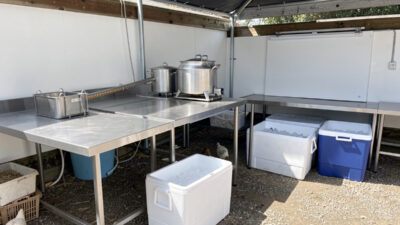
Home Poultry Processing Basics: A Humane Overview
Home poultry processing for personal use is legal in most places and, with preparation, is a calm and humane part…
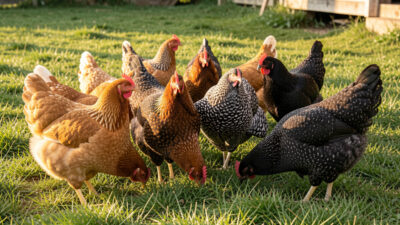
Dual-Purpose Chicken Breeds for Meat and Eggs
Dual-purpose chicken breeds lay a respectable 150 to 250 eggs a year and still dress out into a usable 3-to-4.5-pound…