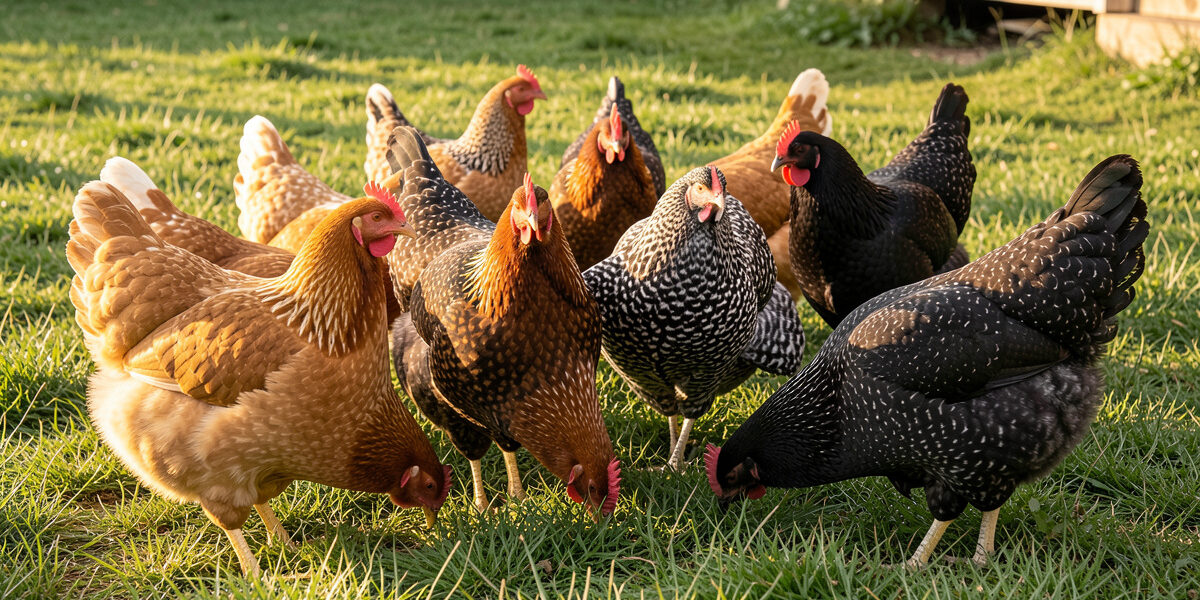
Dual-purpose chicken breeds lay a respectable 150 to 250 eggs a year and still dress out into a usable 3-to-4.5-pound carcass, letting one flock supply both eggs and the occasional table bird. Orpingtons, Australorps, Wyandottes, Sussex, and Plymouth Rocks are the classic all-rounders; the trade-off is that they do neither job as efficiently as a specialist layer or a Cornish Cross broiler.
This is the path I keep myself. My Swedish flock is built from the cold-hardy, dual-purpose class — small-combed winter layers that also produce a decent cockerel when the straight-run hatch comes out half male. For a backyard keeper who wants resilience over raw efficiency, one flock that does everything beats two specialist flocks that each do one thing. Here are the breeds that genuinely earn the “dual-purpose” label, and how to run them for both eggs and meat.
What “Dual-Purpose” Actually Buys You
A dual-purpose breed is a compromise by design: it lays well enough to justify keeping the hens and grows large enough that the surplus cockerels are worth raising for the table. You give up the 280-plus eggs of a production hybrid and the 8-week finish of a Cornish Cross, and in return you get a hardy, self-reliant bird that forages, breeds true, and survives weather that flattens a specialist.
The carcass is leaner and firmer than a supermarket broiler because the bird actually moved and aged — closer to what chicken tasted like before the Cornish Cross existed. An older cockerel suits a slow braise or the stock pot more than a fast roast. If pure speed or freezer volume is your goal, the meat chicken breeds comparison and the Cornish Cross guide point at the faster path; if resilience and a working flock are the goal, read on.
The Best Dual-Purpose Breeds
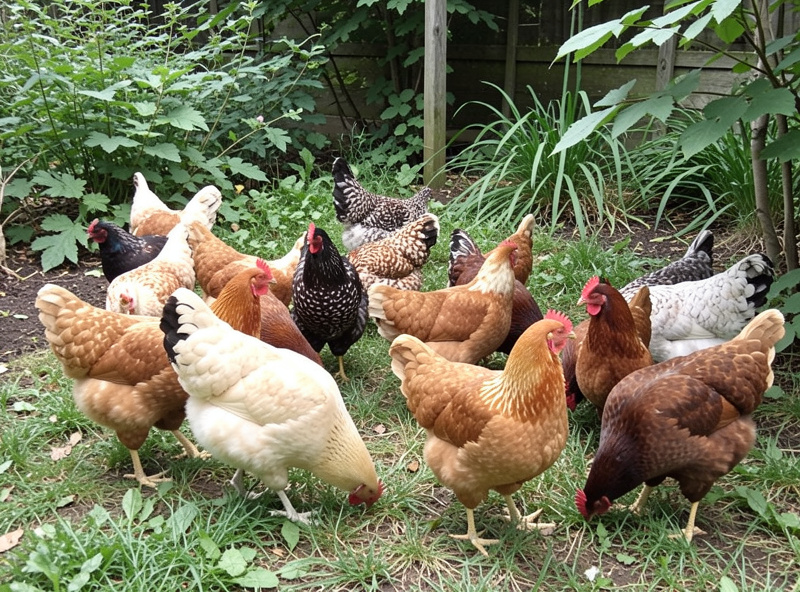
The standouts each lean slightly toward eggs or toward meat, so pick by which side of the ledger matters more to you. The Orpington is calm, exceptionally cold-hardy, lays around 200 brown eggs a year, and carries enough mass to make a worthwhile roast. The Australorp is the best layer of the group — 250-plus eggs in a good year — while still dressing out respectably. The Wyandotte is a hardy, handsome winter layer with a rose comb that resists frostbite, exactly the trait that keeps it in my own run.
For more meat, the Sussex, Plymouth Rock, and Rhode Island Red are the workhorse American and English table-and-egg breeds, while the Jersey Giant and Brahma trade laying numbers for genuine size. The Delaware, New Hampshire, and Buckeye were bred specifically as fast-maturing dual-purpose birds and finish a little sooner than most heritage breeds. In a cold climate, weight your choice toward the small-combed, heavily feathered breeds — the cold-hardy breeds guide overlaps heavily with this list for good reason.
Dual-Purpose Breeds Compared
Here is how the main dual-purpose breeds line up on the numbers that matter when one flock has to do two jobs.
| Breed | Eggs/year | Dressed weight | Cold-hardy | Leans toward |
|---|---|---|---|---|
| Australorp | 250–300 | 3.5–4.5 lb | Excellent | Eggs |
| Orpington | 180–220 | 4–5 lb | Excellent | Balanced |
| Wyandotte | 180–220 | 3.5–4.5 lb | Excellent | Balanced |
| Plymouth Rock | 200–280 | 4–5 lb | Very good | Balanced |
| Sussex | 200–250 | 4–5 lb | Very good | Balanced |
| Jersey Giant | 150–200 | 4–5 lb | Excellent | Meat |
Running One Flock for Eggs and Meat
The practical model is simple: keep the hens as your laying flock and raise the surplus cockerels from each hatch out to 16 to 20 weeks for the table. If you incubate your own eggs, roughly half hatch male, so the meat side of the operation is essentially a by-product of replacing and expanding your layers.
This is where dual-purpose birds quietly win on cost — the cockerels were going to be fed and housed anyway, so the carcass comes cheap, a point the cost of raising meat chickens guide bears out. Feed the growing birds a grower ration rather than layer feed (the calcium in layer feed is wrong for non-laying birds), then process the cockerels before they start fighting and the meat toughens. The husbandry is ordinary flock management, which is exactly the appeal.
Feeding a Mixed-Purpose Flock
The one feeding rule that trips people up is calcium: laying hens need the extra calcium in layer feed, but growing cockerels and pullets do not, and feeding it to non-layers long-term can damage their kidneys. The clean solution is to raise the whole grow-out batch on a 16–18% grower ration and offer oyster shell free-choice on the side, so the hens that need calcium take it and the meat birds do not.
That single split lets one flock cover both jobs without two feed bins for every life stage. Once the pullets come into lay you can move them onto layer feed, while any cockerels you are growing for the table stay on grower right up to processing. It is the kind of small, unglamorous management detail that separates a flock that runs smoothly from one that does not — and it is covered in more depth in the general feeding and nutrition guide. Keep the protein where it belongs and a dual-purpose flock is genuinely low-maintenance.
The Cold-Climate Case for Dual-Purpose
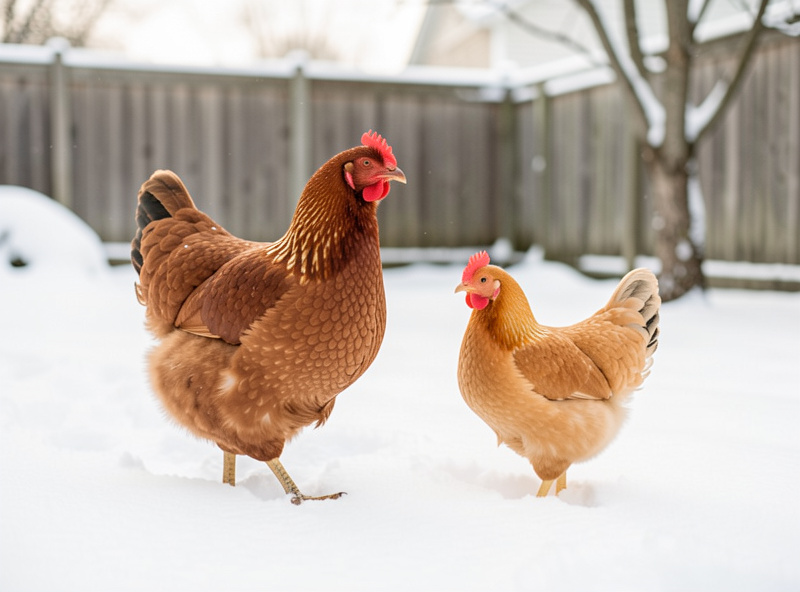
In a cold climate the dual-purpose breeds are not just a compromise — they are often the correct choice outright, because the small-combed, well-feathered heritage birds handle a hard winter far better than either a production layer or a Cornish Cross. My flock keeps laying through Swedish winters precisely because these breeds were selected for hardiness long before egg numbers became the only metric.
The thing to manage is not cold but moisture: a dry, well-ventilated coop prevents the frostbite that damp air causes, which is why the ventilation versus draft distinction matters as much for these birds as for any. Get housing and predator-proofing right with the complete meat chicken guide, and a dual-purpose flock will quietly supply eggs and the occasional roast for years.
Frequently Asked Questions
What is the best dual-purpose chicken breed?
There is no single best, but Orpingtons, Australorps, and Plymouth Rocks are the most popular all-rounders. Australorps lean toward eggs at 250-plus a year, Orpingtons toward a larger carcass, and Plymouth Rocks sit balanced in the middle, all of them cold-hardy and calm.
Are dual-purpose chickens good for meat?
Yes, though the carcass is leaner, firmer, and smaller than a Cornish Cross broiler, and takes 16 to 20 weeks rather than 8. The meat suits braising and stock more than fast roasting, and the surplus cockerels make the meat side nearly free.
How many eggs do dual-purpose breeds lay?
Most dual-purpose breeds lay between 150 and 280 eggs a year. Australorps and Plymouth Rocks are at the higher end, while heavier meat-leaning breeds like the Jersey Giant sit nearer 150 to 200, trading egg numbers for size.
Can you raise dual-purpose cockerels for meat?
Yes, and it is the most economical meat a backyard flock produces. Surplus cockerels from a straight-run hatch are raised on grower feed to 16 to 20 weeks, then processed before they fight and the meat toughens. They were going to be fed anyway.
Which dual-purpose breeds are best for cold climates?
Small-combed, heavily feathered breeds like Wyandottes, Orpingtons, Australorps, and Brahmas handle hard winters best. They resist comb frostbite and keep laying in cold weather, provided the coop is dry and well ventilated to control moisture.
Further Reading
- Raising Meat Chickens: The Complete Backyard Guide
- Best Meat Chicken Breeds Compared
- Raising Cornish Cross Broilers
- Cold-Hardy Chicken Breeds for Northern Climates
- The Real Cost of Raising Meat Chickens
Related Guides
The Real Cost of Raising Meat Chickens
Raising your own meat chickens typically costs about 8 to 14 dollars per finished bird, or roughly 2 to 3…
Home Poultry Processing Basics: A Humane Overview
Home poultry processing for personal use is legal in most places and, with preparation, is a calm and humane part…
Raising Cornish Cross Broilers: The Fast-Growth Guide
Raising Cornish Cross broilers comes down to one rule the hatchery catalogs bury: do not let them eat around the…