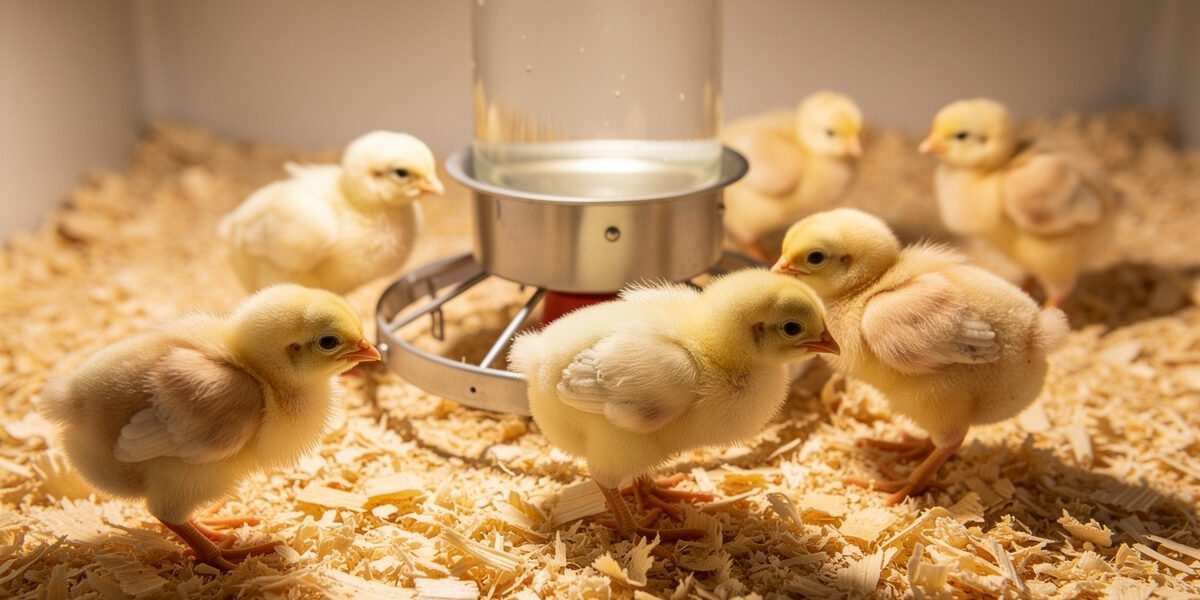
Coccidiosis is the gut illness that catches more young flocks off guard than almost anything else, and it moves fast. The signs to know are a chick or young bird that goes lethargic and fluffed-up, stops eating, looks hunched, and — the warning sign that earns a same-day vet call — passes droppings with blood or mucus. It thrives in warm, damp, crowded brooder conditions, which is exactly why this is far more a hygiene-and-management problem than a medicine-cabinet one.
I raise young birds in a deliberately dry, uncrowded, scrupulously clean brooder because that’s where this disease is won or lost. This article is general husbandry guidance, not veterinary advice: I can tell you what coccidiosis looks like and how to make it unlikely, but diagnosis and any treatment belong to an avian vet — particularly because it progresses quickly in chicks. For where this fits among the common flock illnesses, see my chicken diseases and treatment guide.
What Coccidiosis Actually Is
Coccidiosis is caused by microscopic parasites called coccidia that live in the gut lining. A low level of exposure is normal and actually helps young birds build immunity over time; the problem is an overwhelming dose, which damages the gut, causes bleeding, and stops the bird absorbing nutrients. That’s why it hits hardest in chicks and young birds whose immunity hasn’t developed yet, and why the conditions that concentrate the parasite — warmth, moisture, and crowding — are the real drivers.
The parasite spreads through droppings, and it multiplies explosively in damp bedding. One bird shedding into wet litter can build the environmental load to dangerous levels quickly, which is the whole reason brooder hygiene matters so much. Understanding the mechanism makes the prevention obvious: keep the environment dry and clean enough that birds are never exposed to that overwhelming dose, and let their immunity build against the normal trickle.
The Signs in Young Birds
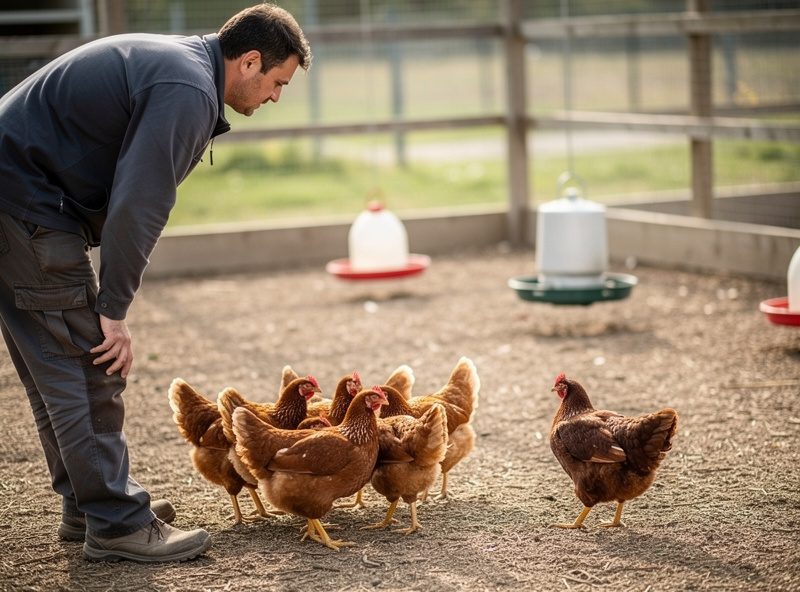
Coccidiosis announces itself through a young bird’s behavior and droppings. The early picture is a chick that’s lethargic, standing fluffed-up and hunched, reluctant to move or eat, and falling behind the others. As it progresses, the droppings tell the story: watery, and crucially, often containing blood or mucus. Blood in the droppings of a young bird is the sign that should send you straight to the phone, because it indicates real gut damage and the condition can be fatal if it isn’t addressed quickly.
Because young birds decline fast, time matters more here than with almost any other backyard illness. A chick that’s “just a bit quiet” in the morning can be seriously ill by evening. The right keeper response is to separate the affected bird into a warm, clean space, keep clean water available, and call a vet promptly rather than waiting to see if it improves. You are not diagnosing the species of coccidia or choosing a treatment — you’re recognizing a dangerous pattern early and getting professional help while it can still make a difference.
Prevention Is Almost Entirely Husbandry
Here’s the good news: coccidiosis is one of the most preventable serious chick illnesses, and the levers are all things you control. Keep the brooder bone dry, because the parasite needs moisture to multiply — a wet patch under a waterer is the classic flashpoint. Keep waterers raised and clean so birds aren’t drinking fouled water or wetting the bedding. Don’t overcrowd, because crowding concentrates droppings and parasite load. And change or top up bedding often enough that it never goes damp and dirty.
Those four habits — dry, clean water, low density, fresh bedding — prevent the overwhelming exposure that turns normal gut coccidia into a deadly infection. Brooder hygiene isn’t glamorous, but it’s the entire ballgame for this disease.
It helps to think about the transition out of the brooder too. The riskiest moment is often when young birds first hit the ground outside, because soil carries coccidia and the immune system is still catching up. Moving birds onto fresh or rotated ground rather than a patch saturated with old droppings, and avoiding permanently muddy, overstocked runs, carries the same logic outdoors that the dry brooder follows indoors. A gradual, clean introduction to the outside world lets immunity build against a normal trickle of exposure instead of a flood — which is exactly what you want for a young bird’s gut.
Medicated Starter Feed and Vaccination: A Word
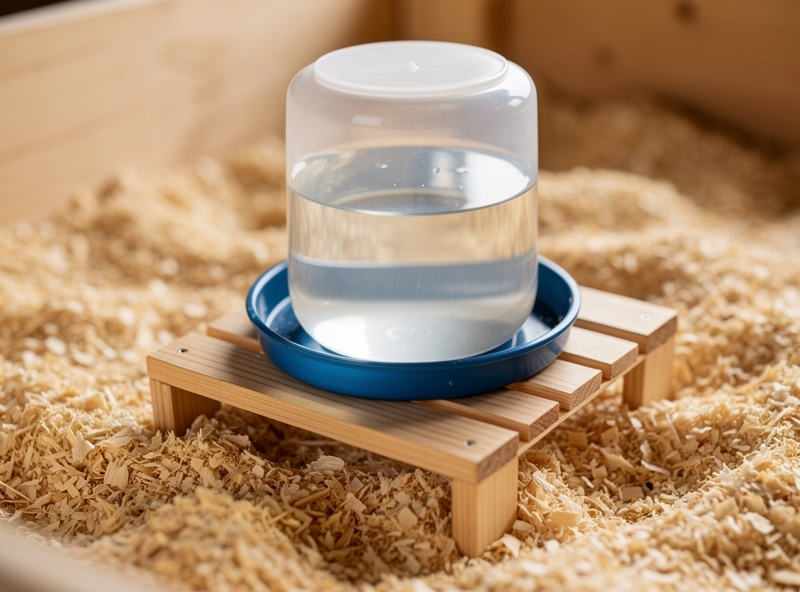
Two prevention tools beyond hygiene come up constantly, and both are decisions to make thoughtfully rather than instructions I’d hand out. Medicated chick starter feed contains a coccidiostat that helps young birds keep coccidia in check while their immunity develops; it’s a feed choice many keepers use, and whether it suits your situation — including whether your chicks were vaccinated against coccidiosis, in which case medicated feed can work against the vaccine — is worth discussing with your supplier or vet. The key point is that these are management choices, not a treatment you improvise for a sick bird.
If your chicks came vaccinated against coccidiosis, that changes the picture, because the vaccine relies on controlled exposure to build immunity and medicated feed can interfere with it. This is exactly the kind of detail where asking the hatchery what they did, and asking your vet how to manage accordingly, beats guessing. Whatever the prevention route, it sits alongside — never instead of — the dry, clean, uncrowded brooder that does most of the work.
Treating an Active Case Is a Vet Job
When a bird actually has coccidiosis, treatment is firmly veterinary territory, and this is the YMYL line I won’t cross. There are effective treatments, but the right one, the dose for the bird’s age and weight, and the timing all depend on a proper assessment — and getting them wrong wastes critical time or harms the bird. Reaching for a random product at the dose on a forum post is exactly how keepers lose birds they could have saved.
What you do while arranging veterinary care is supportive and environmental: isolate the affected bird somewhere warm and clean, keep clean water in front of it, reduce the parasite load for the rest of the flock by deep-cleaning and drying out the brooder, and watch the other young birds closely because where there’s one case there are often more. The vet handles the medicine; you handle the environment and the early recognition. That division of labor is what gives a young flock the best odds.
A Note on the Gear I Mention
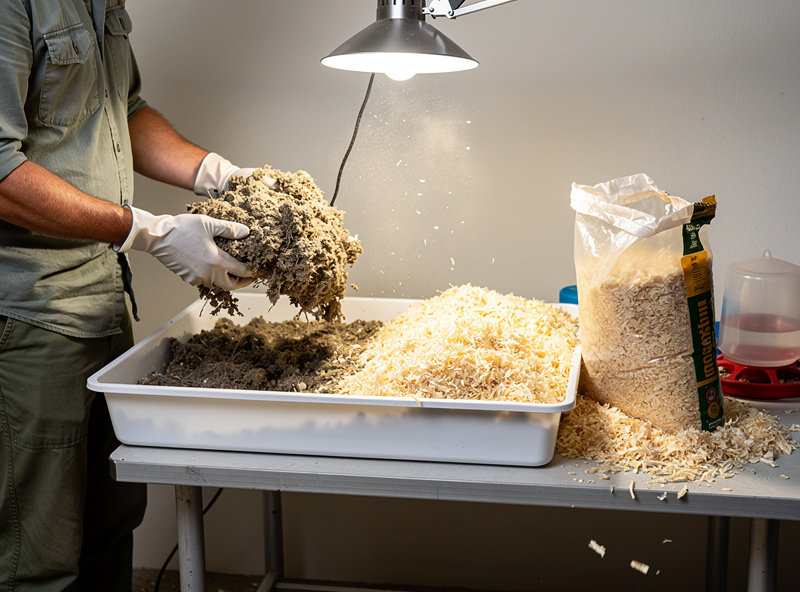
A few brooder basics make the dry, clean setup that prevents coccidiosis easier to run. As an Amazon Associate I earn from qualifying purchases, at no extra cost to you — these are husbandry items, never medications or treatments. The genuinely useful ones are a no-drip or raised chick waterer that keeps bedding dry, clean absorbent pine-shaving bedding, and a brooder thermometer to keep conditions right without dampness. Any treatment for an active case should come from your vet.
Frequently Asked Questions
What are the first signs of coccidiosis in chicks?
A chick that goes lethargic, stands hunched and fluffed-up, stops eating, and falls behind the others. The warning sign that needs a same-day vet call is droppings containing blood or mucus, which indicate gut damage. Young birds decline fast, so act early.
How do I prevent coccidiosis in my flock?
Keep the brooder bone dry, since the parasite needs moisture to multiply. Use raised clean waterers, avoid overcrowding, and change bedding before it goes damp and dirty. These four husbandry habits prevent the overwhelming exposure that causes serious illness.
Should I use medicated chick starter feed?
Medicated starter contains a coccidiostat that helps young birds manage coccidia while immunity develops. Whether it suits you depends on your setup and whether chicks were vaccinated, since medicated feed can interfere with the vaccine. Discuss it with your supplier or vet.
Can I treat coccidiosis at home?
No. Effective treatment depends on the right product, dose for the bird’s age and weight, and timing, all of which need a vet. While arranging care, isolate the bird somewhere warm and clean, keep water available, and deep-clean the brooder for the rest.
Is blood in chick droppings always coccidiosis?
Not always, but blood in a young bird’s droppings is a serious sign that warrants a prompt vet call regardless of cause. Don’t try to diagnose it yourself; note when it started and isolate the bird, then get professional assessment quickly.
Will the rest of my chicks get it too?
Often, yes, because coccidia spread through droppings and multiply in damp bedding. Where there’s one case there are frequently more, so watch the whole young flock closely and deep-clean and dry the brooder to reduce the environmental parasite load.
Related Reading
- Chicken Diseases and Treatment: A Keeper Health Guide — the full flock-health overview.
- Chicken Biosecurity Guide — keeping a clean, closed flock to limit disease.
- Chicken First-Aid Kit — the supportive-care setup for an isolated bird.
- Chicken Mites and Lice — the other parasite young birds meet early.
- Best Chicken Coop Bedding Guide — dry, absorbent bedding is the core defense.
Related Guides
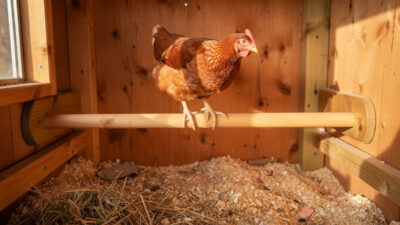
Bumblefoot in Chickens: Signs, Prevention, and Coop Fixes
Bumblefoot is the backyard injury that’s really a coop-design problem wearing a medical disguise. It’s a swollen, sometimes scabbed footpad…
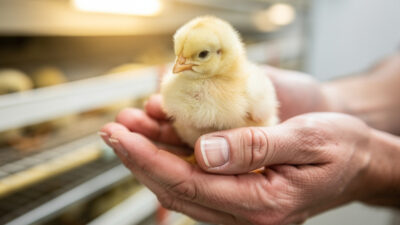
Marek’s Disease in Chickens: Signs, Vaccination, and Prevention
Marek’s disease is the one I most want backyard keepers to understand before they ever buy birds, because it can’t…
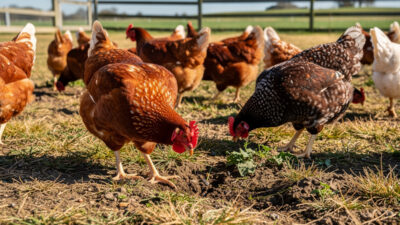
Worming Chickens: Internal Parasites, Signs, and Why to Test First
Worming is the area of chicken keeping where the instinct to “just treat them to be safe” does the most…