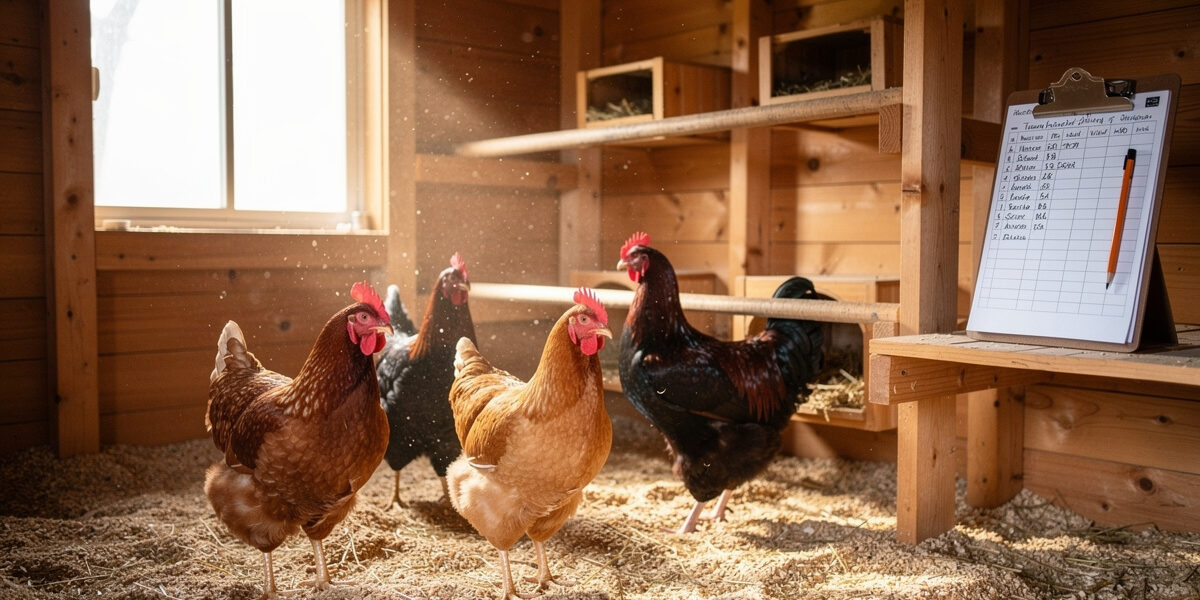
Most chicken illness on a backyard flock is caught at the feed trough, not the vet table: a healthy hen is loud, greedy, and busy, and the first real sign of trouble is almost always a bird that goes quiet and stands apart. This guide is the keeper-side health map I wish I had when I started — what the common backyard diseases look like, how I keep them out of my coop in the first place, and the line I never cross, which is diagnosing or dosing a sick bird myself. For anything past observation, the answer here is always the same: call an avian vet.
I keep a cold-hardy flock in Sweden in a coop I built and automated end to end, and the single biggest thing years of keeping has taught me about flock health is that prevention is a building and management problem far more than a medicine-cabinet one. Ventilation that dumps moisture, dry bedding, clean water, a closed flock, and a keeper who actually watches the birds will prevent more disease than any product. So that is where most of this guide lives: signs to recognize, and husbandry that stops the problem before it starts.
A Keeper Is Not a Vet — Where This Guide Stops
This is general husbandry guidance, not veterinary advice. I can tell you what a sneezing, lethargic, or limping bird might be showing and how I’d reduce the risk across the flock — but diagnosis and any treatment, medication, or dosing belongs to a qualified avian vet who can examine the actual bird. A sick chicken is a fast-moving situation, and the fastest wrong turn is a keeper guessing at a drug.
Chickens are prey animals, so they are evolved to hide illness until they can no longer fake being well. By the time a hen is visibly “sick,” she has usually been compromised for a while. That is exactly why the observational habit below matters so much, and why I treat every off-looking bird as a reason to call my vet rather than to reach for something off a shelf. Throughout this guide, “what to do” means isolate, support with warmth and clean water, observe carefully, and get professional eyes on the bird — never a home treatment protocol.
The 30-Second Daily Health Check
The most valuable health tool I own costs nothing: the habit of really looking at the flock twice a day, at feeding. A healthy hen has a bright, full comb, clear eyes, clean nostrils, smooth glossy feathers, an active gait, and a strong appetite. Any deviation from that baseline is your early-warning system, and it works because you know your own birds.
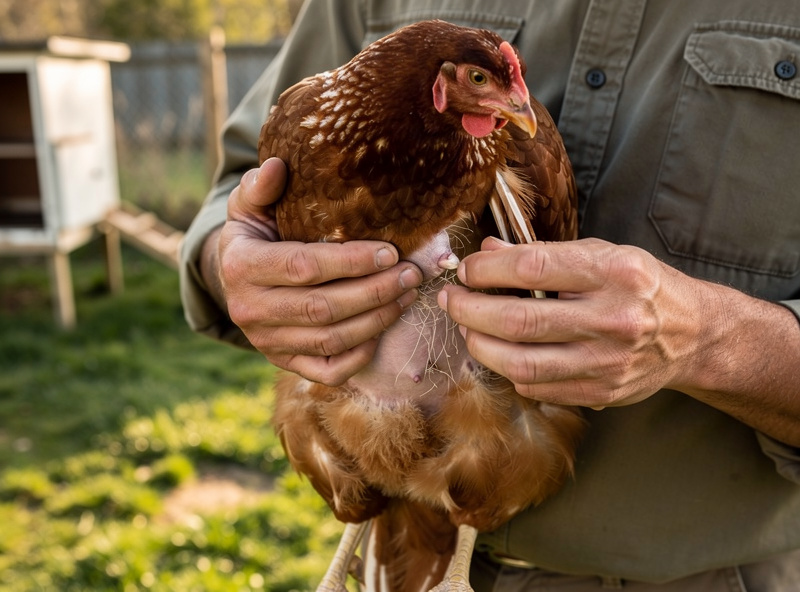
Run the same quick scan every time you open the coop. Is anyone standing hunched and puffed-up away from the group? Any closed or watery eyes, bubbles at the nostrils, or open-mouth breathing? Is the comb a healthy color or gone pale, purple, or dull? Are droppings roughly normal, or persistently watery, bloody, or foamy? Is everyone moving freely, or is one bird limping or reluctant to come off the roost? You are not diagnosing — you are noticing the change early, which is the difference between a manageable problem and an emergency. A bird that fails this scan goes on the watch list, and a clearly unwell bird gets a call to the vet. On my own coop a PoE camera feed lets me watch roost behavior overnight without opening the door, which is how I often spot a bird that’s stopped settling normally — an early flag worth more than any gadget.
The Common Backyard Diseases at a Glance
A handful of conditions account for most of what backyard keepers actually run into. None of these are things you treat by guesswork — but knowing the shape of each one helps you describe it accurately to a vet and, more importantly, helps you build a coop and routine that keeps them rare. Here is the keeper-level overview; each links to a deeper, observation-and-prevention guide.
| Condition | Common signs to watch for | Main keeper prevention lever |
|---|---|---|
| Coccidiosis | Lethargy, ruffled feathers, blood or mucus in droppings, especially in young birds | Dry bedding, clean water, brooder hygiene |
| Marek’s disease | Progressive leg/wing paralysis, weight loss in young birds | Hatchery vaccination, closed flock, hatchling biosecurity |
| Respiratory illness | Sneezing, nasal discharge, swollen face, rattling breath, eye bubbles | Ventilation, low ammonia, quarantine new birds |
| External parasites (mites/lice) | Restlessness, feather loss, pale comb, eggs at feather bases | Dust bathing, clean coop, regular bird checks |
| Internal parasites (worms) | Weight loss despite eating, pale comb, dull birds, vet-confirmed via fecal test | Dry runs, rotation, fecal monitoring with a vet |
| Bumblefoot | Limping, swollen footpad, dark scab on the underside of the foot | Lower roosts, soft landing zones, clean dry litter |
Respiratory Illness: Read the Ventilation First
Respiratory symptoms — sneezing, nasal discharge, swollen sinuses, rattling or open-mouth breathing, bubbles in the corner of the eye — are among the most common calls a keeper makes, and the most important thing I can say is that several different organisms cause similar-looking signs, so the diagnosis genuinely needs a vet. What is firmly in keeper territory is the environment that makes respiratory disease far more likely.
The hidden driver in most backyard coops is ammonia from damp litter and poor airflow. If you can smell ammonia at bird height when you open the coop, the air is already irritating the birds’ airways and lowering their defenses. The fix is ventilation that exhausts moisture and gases up high without drafting cold air across the roost — the moisture-dumping airflow I size every coop around, and the same reason choosing the right dry bedding matters so much. Keep bedding dry, keep the flock closed to casual visiting birds, and quarantine every new arrival, because a carrier bird that looks fine can seed the whole flock. If birds are showing respiratory signs, separate the worst-affected and get a vet involved rather than reaching for any medication.
External Parasites: Mites, Lice, and the Dust Bath
Mites and lice are the problem nearly every flock meets eventually, and they are largely a hygiene-and-habitat issue. The classic signs are birds that seem restless or reluctant to roost at night, feather loss or a scruffy vent area, a pale comb in heavy infestations, and tiny clusters of eggs cemented at the base of feathers near the vent. Red mites in particular hide in coop cracks by day and feed at night, so you can have a serious problem and see almost nothing on the bird in daylight.
Prevention is genuinely powerful here. Chickens de-louse themselves through dust bathing, so a permanently available dry dust-bath area is one of the best parasite controls there is. A coop with smooth, sealable surfaces and few deep cracks gives red mites nowhere to hide — another reason a well-thought-out nesting-box setup with cleanable surfaces pays off — and a regular habit of checking a couple of birds at the vent under a headlamp catches an infestation while it is small. When you do find parasites, the specific control product and how to apply it is a conversation to have with your vet or supplier — not a guess, and never a homebrew dose on a small bird. The full treatment walkthrough — which products work for red mites vs lice, application timing, and repeat-treatment schedule — is in the chicken mites and lice guide.
Young Birds: Coccidiosis and Marek’s
Two conditions weigh most heavily on chicks and young birds, and both are managed far more on the prevention side than the treatment side. Coccidiosis is a gut parasite that thrives in warm, damp brooder conditions and shows up as lethargic, fluffed-up chicks, often with blood or mucus in the droppings. The keeper levers are scrupulous brooder hygiene, bone-dry bedding, clean water kept off the floor, and not overcrowding. If you see blood in chick droppings, that is a same-day call to a vet — the condition can move quickly in young birds. Getting the brooder design right from day one reduces exposure — the chick brooder setup guide covers bedding depth, watering station placement, and density limits that keep cocci pressure low.
Marek’s disease is a herpesvirus that typically causes progressive paralysis of a leg or wing in young birds, along with wasting, and there is no cure once a bird is affected. This is the one place where a medical intervention sits squarely in prevention: chicks are routinely vaccinated against Marek’s at the hatchery on day one, and keeping a closed flock plus good hatchling biosecurity is how you keep the virus out. When you source birds, ask about Marek’s vaccination, and treat any unexplained paralysis in a young bird as a reason to consult a vet rather than self-diagnose.
Internal Parasites: Test, Don’t Guess
Worms are the classic example of a problem keepers are tempted to treat blindly and shouldn’t. Healthy chickens carry a low parasite load without issue; the problem is a burden high enough to cause weight loss despite a good appetite, a pale comb, and dull, unthrifty birds. The trouble is that none of those signs are specific, and routine “just in case” worming on a guess is exactly the kind of self-medication that drives resistance and can harm a bird that didn’t need it.
The right keeper approach is monitoring, not dosing. A vet can run a simple fecal egg count to tell you whether a flock actually has a meaningful worm burden and what kind, and only then is any treatment decision made — by the vet, with the correct product and dosing for the bird’s weight. On the husbandry side, you reduce worm pressure by keeping runs dry and well-drained, rotating ground where you can via a portable run or a generously sized covered run, and not letting the flock live on permanently muddy, overstocked ground. Damp, static runs are worm factories; dry, rotated ones are not.
Injuries and Bumblefoot: The Coop Is the Cause
Not every health problem is a disease. Bumblefoot — a swollen, sometimes scabbed footpad caused by a pressure sore that gets infected — is one of the most common backyard injuries, and it is very often a coop-design problem wearing a medical disguise. Heavy breeds jumping down from roosts that are too high, landing on hard or dirty surfaces, are the classic setup for it — which is partly why sizing the coop properly so birds aren’t crowded onto over-tall perches matters for health, not just comfort. The early sign is a bird favoring one foot or a small dark spot on the pad; an advanced case needs veterinary care, not kitchen-table surgery.
The prevention is pure husbandry: keep roosts at a sensible height with a soft landing zone below, use wide flat roost bars rather than thin dowels so weight spreads across the foot, and keep litter clean and dry so minor scrapes don’t get infected. The same dry-litter discipline that prevents respiratory and parasite problems prevents foot infections too — which is the recurring theme of this whole guide. A clean, dry, well-built coop is the treatment you give before anything goes wrong.

Reading the Droppings Board
One of the most underrated health signals sits right under the roost: the droppings. Normal chicken droppings vary a lot — firm brown with a white cap most of the time, plus the occasional frothy or rust-colored cecal dropping that is perfectly normal and not a cause for alarm. Learning your flock’s normal range is what lets you notice the abnormal, and a removable poop board under the roost makes that a daily glance rather than a chore.
What earns a closer look is a persistent change: droppings that are consistently watery, foamy, bright green, or contain visible blood or worms. Blood, in particular, is a prompt-vet sign in young birds because of coccidiosis. None of this is a diagnosis you make from the board alone — but it is exactly the kind of specific, describable detail an avian vet wants to hear, and it is far easier to report accurately when you’ve been watching all along. A clean, well-managed coop with absorbent dry bedding keeps the picture readable instead of a smeared mess.
Stress, Molt, and Why Context Matters
Not every off-looking bird is diseased, and reading the context keeps you from panicking — or from missing something real. An annual molt, for example, leaves birds looking ragged and laying poorly for weeks, and that is normal seasonal biology rather than illness. Heat stress, cold stress, the disruption of introducing new birds, and the stop in laying that comes with short winter days all change how a flock looks and behaves without any pathogen involved.
The keeper skill is separating “this is a known stressor doing a known thing” from “this is a new, unexplained change in one bird.” A whole flock looking subdued during a heat wave is a management cue — improve shade, water, and airflow — while a single hen hunched and not eating on a normal day is a red flag. Reducing avoidable stress is itself preventive health: stable routines, no overcrowding, reliable food and water, and a coop sized and built for the climate all keep birds resilient enough to shrug off the small challenges that would tip a stressed flock into illness. For a climate like mine, that also means starting with breeds suited to the cold rather than fighting biology all winter.
Biosecurity: The Cheapest Medicine There Is
If I could give a new keeper one health habit, it would be biosecurity, because it prevents the diseases that have no cure. Biosecurity is just the set of routines that keep pathogens from entering your flock and from spreading once inside. The two highest-value rules are simple: quarantine every new bird well away from the flock for a few weeks before introducing it, and keep a genuinely closed flock rather than swapping birds casually with other keepers.
The rest is daily friction against contamination: dedicated coop footwear or a boot dip so you don’t track pathogens in from elsewhere, clean waterers that wild birds can’t foul — one reason I favor a sealed automated feeder and waterer setup that excludes rodents and wild birds — rodent control because rodents move disease, and prompt, careful handling of any sick or dead bird. None of this is expensive or high-tech, and all of it does more for flock health than any product. When a new disease threat is circulating regionally, tightening biosecurity is also the main thing a backyard keeper can actually do — and your vet or local agricultural authority is the right source for what’s circulating near you. A practical step-by-step biosecurity routine — quarantine setup, boot dip protocol, and visitor hygiene checklist — is in the chicken biosecurity guide.
What Belongs in a Keeper’s Health Kit
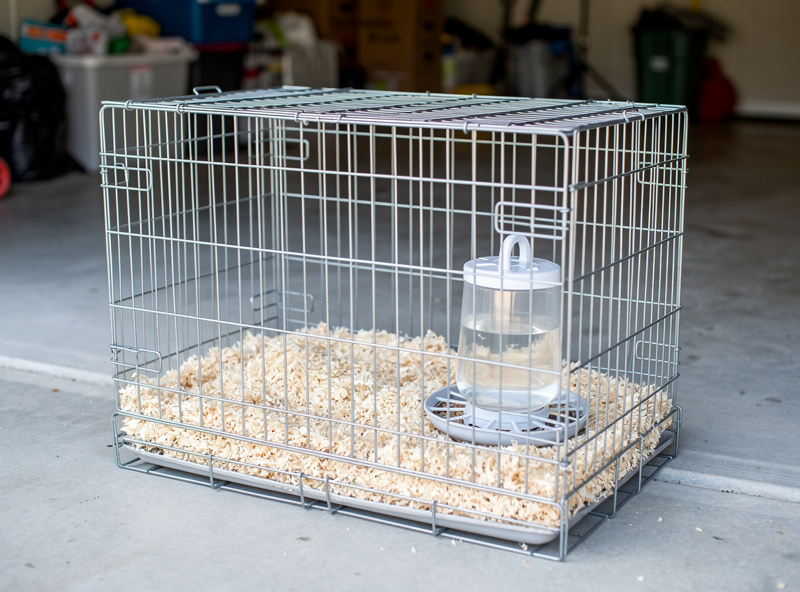
A backyard health kit is for stabilizing and supporting a bird while you arrange veterinary care — not for treating disease yourself. Mine is deliberately simple: clean towels for restraint, blunt-tipped scissors, gauze and self-adhesive vet wrap, nitrile gloves, an electrolyte/vitamin powder for water during stress, a headlamp for close inspection, a poultry-safe wound spray, and a dog crate that doubles as an isolation pen. That is the supportive-care side of keeping, and it is genuinely useful.
What is deliberately not in the kit is any prescription medication, antibiotic, or wormer to use on a hunch. Those decisions belong to a vet who has seen the bird, because the dose, the drug, and even whether to treat at all depend on a real diagnosis and the bird’s weight. The kit’s job is to let you isolate a struggling bird, keep it warm and hydrated, and buy time to get professional help — which is exactly the right scope for a keeper. The full kit list with product links and how each item is used is in the chicken first aid kit guide.
Frequently Asked Questions
What is the first sign a chicken is sick?
The earliest reliable sign is a behavior change: a hen that stands hunched and puffed-up away from the flock, goes quiet, or loses her appetite. Chickens hide illness, so any bird off her normal active, greedy baseline deserves a closer look and, if she stays off, a vet.
Can I treat a sick chicken myself at home?
You can provide supportive care — isolate the bird, keep her warm, and offer clean water with electrolytes — but diagnosis and any medication or dosing should come from a qualified avian vet. Guessing at drugs or doses is a common and avoidable way to harm a bird.
How do I keep diseases out of my flock?
Biosecurity prevents the diseases with no cure. Quarantine every new bird for a few weeks before introducing it, keep a closed flock, use dedicated coop footwear, control rodents, and keep waterers clean. Prevention through husbandry beats any treatment product.
Why is ventilation so important for chicken health?
Damp litter and poor airflow let ammonia build up, which irritates birds’ airways and makes respiratory disease far more likely. Good ventilation exhausts moisture and gases without drafting the roost, and dry bedding plus airflow prevents more illness than any medicine.
Should I worm my chickens regularly just in case?
No — routine blind worming can drive resistance and harm birds that did not need it. Instead, have a vet run a fecal egg count to confirm whether a meaningful worm burden exists, then let the vet decide on treatment and dosing. Monitor, don’t guess.
When should I call an avian vet versus wait and watch?
Call promptly for blood in droppings, open-mouth breathing, sudden paralysis, a bird that stops eating or drinking, or any rapid decline. Mild, stable changes can be watched closely for a day, but a clearly unwell or fast-declining bird is always a vet call.
Keep Reading
Healthy birds start with a well-built, well-managed coop. These guides go deeper on the husbandry that prevents most of the problems above:
- Predator-Proof Chicken Coop: Complete Defense Guide — because predator stress and injuries are a health issue too.
- Hardware Cloth vs Chicken Wire: Why It Matters — the single biggest predator-proofing decision.
- Best Chicken Coop Bedding: Complete Material Guide — dry litter is the foundation of disease prevention.
- How to Size a Smart Chicken Coop for Your Flock — overcrowding drives nearly every health problem.
- Cold-Hardy Chicken Breeds for Northern Climates — the right breed for your climate stays healthier.
- Best Egg-Laying Chicken Breeds — choosing robust, well-suited birds from the start.
Related Guides
Bumblefoot in Chickens: Signs, Prevention, and Coop Fixes
Bumblefoot is the backyard injury that’s really a coop-design problem wearing a medical disguise. It’s a swollen, sometimes scabbed footpad…
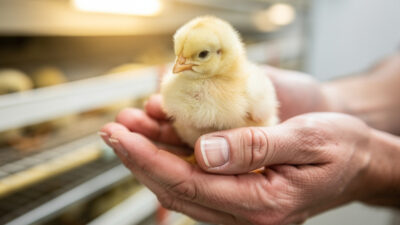
Marek’s Disease in Chickens: Signs, Vaccination, and Prevention
Marek’s disease is the one I most want backyard keepers to understand before they ever buy birds, because it can’t…
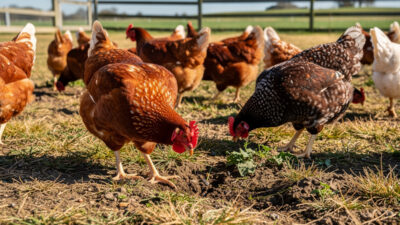
Worming Chickens: Internal Parasites, Signs, and Why to Test First
Worming is the area of chicken keeping where the instinct to “just treat them to be safe” does the most…