Field Guides & Blueprints
Search our library of 236 practical articles.
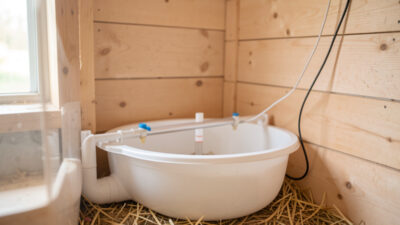
Water-Level and Flow Sensors: Knowing the Waterer Is Empty Before They Do
A coop water-level sensor tells you the drinker is going dry — or freezing solid — before the flock does,…
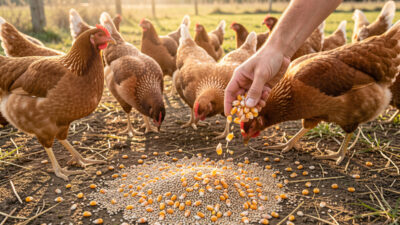
Scratch Grains for Chickens: Treat, Not a Meal
Scratch grains are the most overfed thing in backyard chicken keeping. Scratch is a treat — a cracked-corn-and-grain mix that…
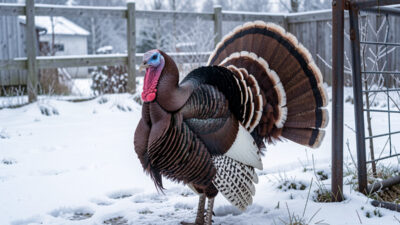
Raising Heritage Turkeys in the Backyard
A keeper guide to raising heritage turkey breeds in a backyard flock.

Fermented Chicken Feed: A Practical Keeper Guide
Fermenting chicken feed is the cheapest upgrade in the coop that actually earns its place. Soaking complete feed in water…
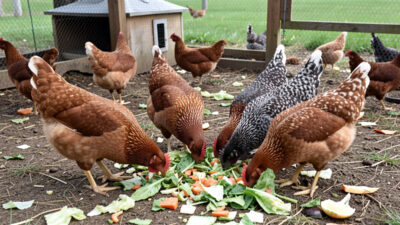
What Treats Can Chickens Eat? Safe and Unsafe Foods
Chickens are enthusiastic about almost anything you hand them, which is exactly why treats are where good intentions wreck a…
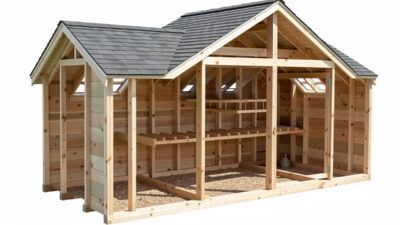
Chicken Coop Vent Placement Guide
Coop vent placement follows one rule above all: high exhaust, low intake, roost out of the line between them. Put…

Grading Backyard Eggs: Quality and Size
Grading backyard eggs means two separate jobs: judging quality (candling for cracks, blood spots, and air-cell size) and sorting by…
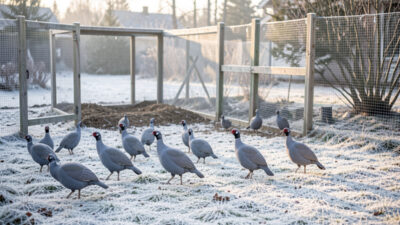
Guinea Fowl for Backyard Pest Control
How guinea fowl control ticks and pests, plus the keeping reality.
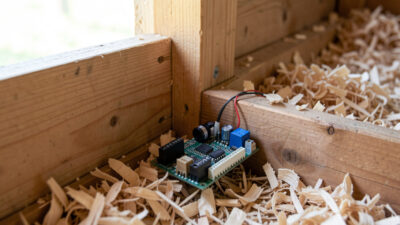
Ammonia Sensors for the Coop: Catching Air Problems Before You Smell Them
An ammonia sensor belongs at the birds’ breathing height, close to the litter where the gas is generated, because that…
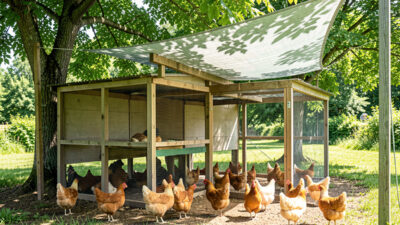
Cooling a Chicken Coop in Summer: Beat the Heat
Cooling a chicken coop in summer comes down to shade, airflow, and cool water — in that order. Chickens cannot…

Node-RED vs Home Assistant Automations for the Coop: When to Use Which
Use native Home Assistant automations for the coop’s simple, safety-critical rules — the sunrise door, the freeze-watch waterer — and…
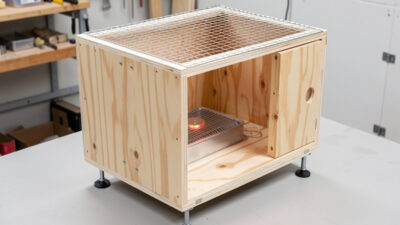
DIY Chick Brooder Setup: Building Your Own Brooder
A DIY chick brooder is a draft-free box, a thermostatically controlled heat source held at 95 °F in week one, shallow…