Biosecurity is the single most cost-effective thing a backyard keeper does for flock health, because it prevents the diseases that have no cure and stops a single sick bird from becoming a sick flock. In plain terms it is the set of everyday routines that keep pathogens from getting into your birds and from spreading once they do. None of it is expensive or high-tech — it is mostly habits — and on my own coop in Sweden it has done more to keep birds healthy than anything in a bottle.
This is general husbandry guidance, not veterinary advice. I keep a closed, cold-hardy flock and treat biosecurity as the foundation everything else sits on, but a sick bird still belongs to an avian vet. What follows is the keeper-side playbook: the few rules that matter most, the everyday friction that keeps contamination out, and the realistic version of biosecurity that a backyard keeper can actually sustain.
For the wider picture of flock health and where each disease fits, this article sits under my chicken diseases and treatment guide, which maps the common conditions and the husbandry that prevents them.
What Biosecurity Actually Means
Biosecurity is simply keeping disease out and keeping it from spreading. Most serious poultry diseases arrive in one of a few predictable ways: on a new bird that looks healthy but carries something, on your boots or equipment from another flock, in contaminated feed or water, or via rodents and wild birds. Block those routes and you have prevented the overwhelming majority of disease that backyard flocks ever face.
The reason it matters so much is that several of the worst poultry diseases — Marek’s and many respiratory viruses among them — cannot be cured once a bird has them. You cannot treat your way out of a disease that has no treatment, so the entire game is keeping it out. That reframes biosecurity from “extra chore” to “the actual core of flock health management,” which is exactly how I treat it.
Rule One: Quarantine Every New Bird
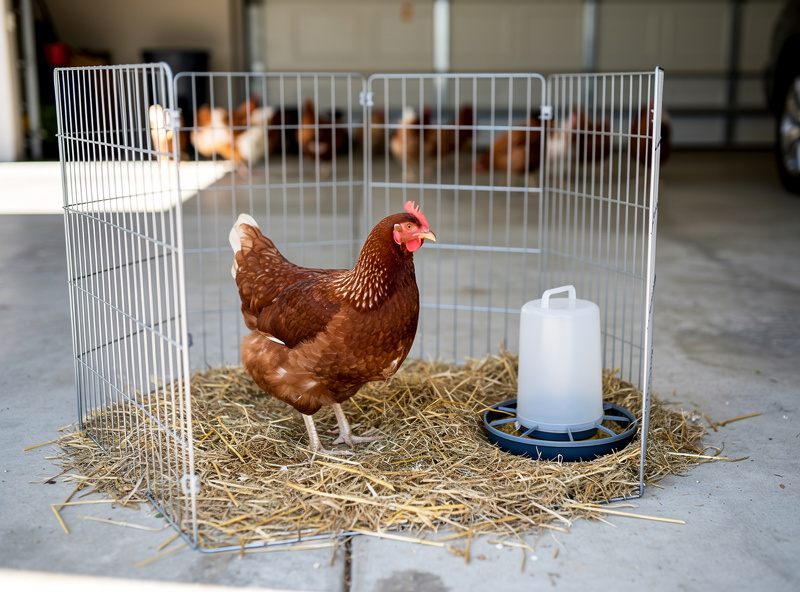
If you do only one thing on this list, quarantine new birds. A new hen that looks perfectly healthy can be carrying a respiratory disease, mites, or worms, and introducing her straight into the flock is the classic way keepers import a problem they then can’t get rid of. Keep any new arrival physically separated — different airspace, ideally well away from the main coop — for a few weeks before they ever meet your birds.
During quarantine you are watching for anything off: sneezing, nasal discharge, weepy eyes, scaly legs, external parasites at the vent, or droppings that look wrong. Care for the quarantined birds last in your daily round, after your main flock, so you are never carrying something from the newcomer to the established birds. A clean, simple isolation pen — a wire dog crate works fine — with its own dedicated feeder and waterer is all the kit you need.
Rule Two: Keep a Closed Flock
A closed flock is one you do not casually add to or swap birds out of. Every time a bird comes and goes — a hen borrowed for hatching, a rooster traded with a neighbor, a “rescue” added on impulse — you open a door for disease. Keeping the flock closed, and being disciplined about quarantine on the rare occasions you do add birds, is what keeps a healthy flock healthy over years.
This extends to your own movements between flocks. If you visit a friend’s coop, attend a poultry swap, or handle other people’s birds, you can carry pathogens home on clothing, footwear, and hands. The simple discipline of changing or cleaning footwear and washing up before going back to your own birds closes a route most keepers never think about. The fewer outside birds and outside flocks your birds are exposed to, the lower your disease risk — full stop.
Boots, Hands, and Shared Equipment
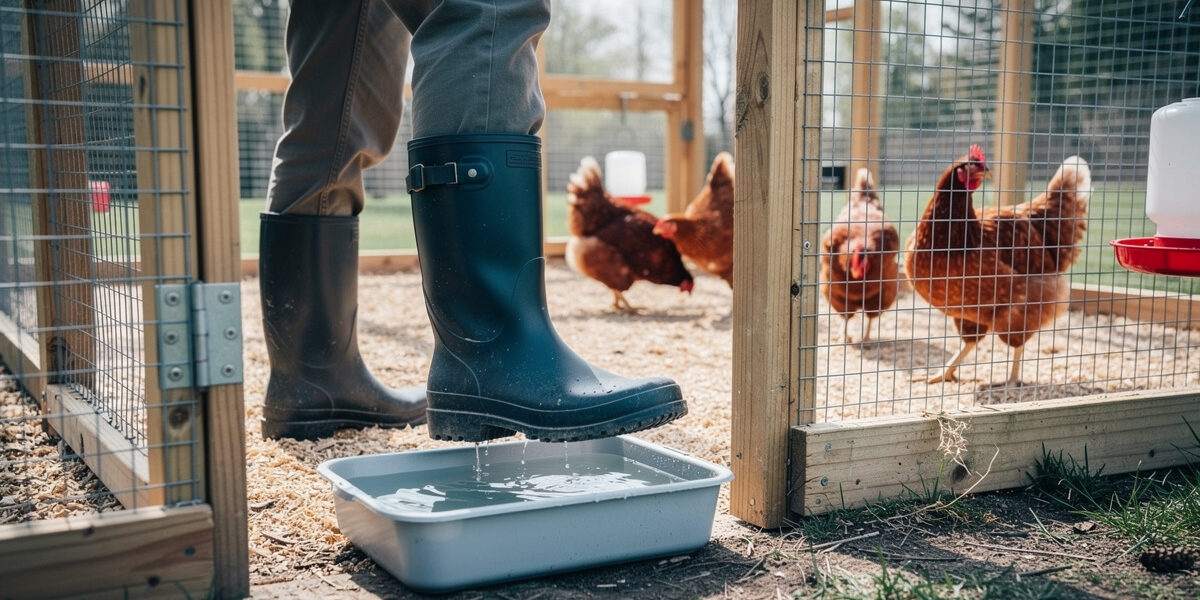
Your boots are one of the most underrated disease vectors on a backyard property. Pathogens live in soil and droppings and ride into the coop on your soles. The fix is dedicated coop footwear that never leaves the property, or a boot-dip tray with a poultry-safe disinfectant at the run entrance that you actually step in rather than step around. I keep a pair of rubber boots that live by the run and nothing else.
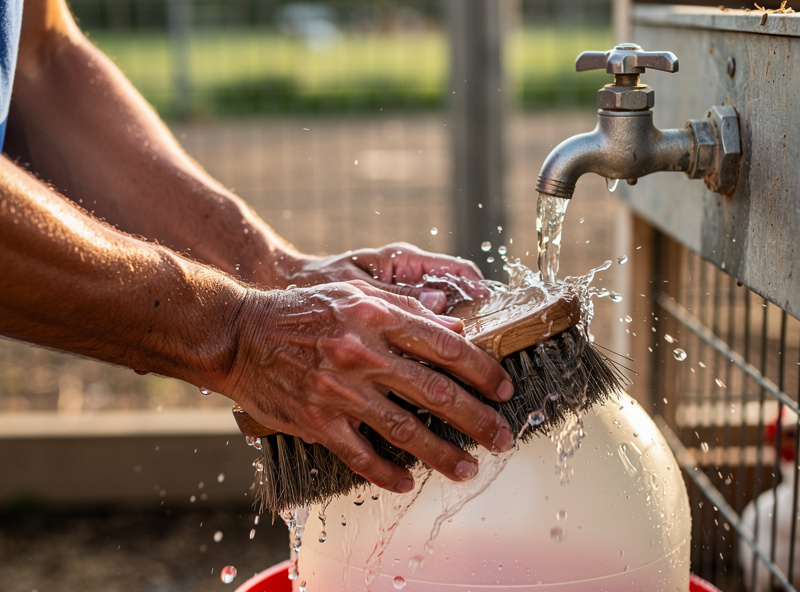
The same logic applies to equipment. Feeders, waterers, crates, and tools that move between flocks should be cleaned and disinfected before they touch your birds, and ideally you simply don’t share them. Hand hygiene rounds it out: wash before and after handling birds, especially sick ones, and especially before eating. None of this is dramatic, but it is the daily friction that keeps contamination from drifting in.
Rodents, Wild Birds, and Clean Feed
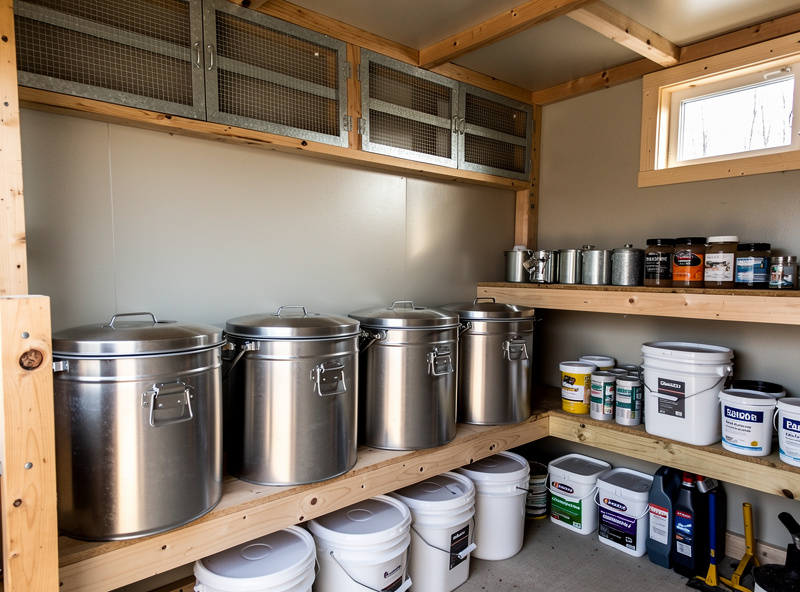
Rodents and wild birds are biosecurity threats that keepers routinely underrate. Wild birds can carry respiratory diseases and shed them into open waterers and spilled feed; rodents move disease, foul feed, and are drawn in by any easy meal. The most effective single move is denying them food: store feed in sealed metal bins with tight lids, clean up spillage, and use feeders that don’t leave a buffet on the ground overnight.
Water deserves the same care. Open waterers that wild birds can perch on and foul are a contamination route; closed or nipple-style waterers that wild birds can’t access are a genuine biosecurity upgrade, not just a tidiness one. Keep the coop and run unattractive to vermin — no piled feed, no standing scraps, gaps sealed — and you remove a whole category of disease pressure. A closed feed system and clean water do quiet, daily work for flock health.
Handling Sick and Dead Birds
How you handle a sick or dead bird is part of biosecurity, because a struggling bird can shed pathogens and a dead one can be a source of infection for the rest. Isolate any unwell bird promptly — both for its own rest and to protect the flock — and handle it last, with clean hands and ideally gloves. Get an avian vet involved for the diagnosis; your job on the biosecurity side is containment, not treatment.
When a bird dies, remove it promptly and handle the carcass carefully, washing up thoroughly afterward. If you ever face an unexplained run of deaths, that is a moment to contact a vet or your local agricultural authority, both because it might be something reportable and because they can advise on protecting the rest of the flock. Calm, careful handling beats panic, and it keeps one loss from becoming several.
When to Tighten the Screws
Biosecurity isn’t a fixed setting — there are times to raise the bar. When a notifiable disease like avian influenza is circulating in your region, authorities may advise keeping birds under cover, away from wild birds entirely, and tightening every routine above. That is exactly when the habits you’ve already built pay off, because you’re tightening an existing system rather than inventing one in a panic.
The right source for what’s circulating near you is your vet or local agricultural/animal-health authority, not rumor. Knowing where to get that information before you need it is itself part of good biosecurity. The keeper who already quarantines, runs a closed flock, controls vermin, and keeps clean feed and water is the keeper who can ride out a regional scare with the least disruption to the birds.
A Note on the Gear I Mention
A few practical husbandry tools make these routines easier to keep up. As an Amazon Associate I earn from qualifying purchases, at no extra cost to you — these are prevention-and-husbandry items, never medications or treatments. The biosecurity basics worth having are a dedicated pair of rubber coop boots that stay on the property, a poultry-safe disinfectant for a boot dip and cleaning, and sealed metal feed bins to keep rodents out. Everything else here is habit, not hardware.
Frequently Asked Questions
How long should I quarantine a new chicken?
Keep a new bird physically separated, in different airspace from your flock, for a few weeks before introducing it. Use that time to watch for sneezing, parasites, scaly legs, or abnormal droppings, and care for the newcomer last in your daily round.
Can my boots really spread chicken disease?
Yes. Pathogens live in soil and droppings and ride into the coop on your soles. Keep dedicated coop footwear that never leaves the property, or use a boot-dip tray with poultry-safe disinfectant at the run entrance that you actually step in.
Why are rodents and wild birds a biosecurity risk?
Wild birds can shed respiratory diseases into open water and spilled feed, and rodents move disease and foul feed. Deny them food with sealed metal bins and tidy feeding, and use closed waterers wild birds cannot access to cut a major route.
What is a closed flock?
A closed flock is one you do not casually add to or swap birds out of. Every bird that comes and goes opens a door for disease, so keeping the flock closed and quarantining strictly on the rare additions is a core biosecurity practice.
Does biosecurity matter for a small backyard flock?
Absolutely. The diseases biosecurity prevents, like Marek’s and many respiratory viruses, have no cure, so prevention is the only real control. A few hens are just as vulnerable as a large flock, and the habits cost almost nothing to maintain.
Related Reading
- Chicken Diseases and Treatment: A Keeper Health Guide — the full flock-health overview this fits under.
- Automated Feeders & Waterers — closed feed and water systems that exclude pests.
- Best Chicken Coop Bedding Guide — dry, clean litter is part of disease prevention.
- Predator-Proof Chicken Coop Guide — a secure coop keeps wild animals and their pathogens out.
- Smart Coop Cameras — monitoring the flock without opening the coop.
Related Guides
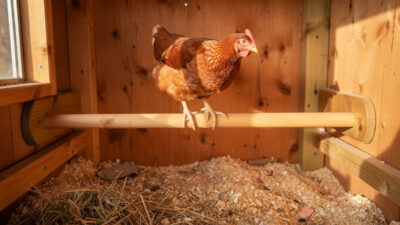
Bumblefoot in Chickens: Signs, Prevention, and Coop Fixes
Bumblefoot is the backyard injury that’s really a coop-design problem wearing a medical disguise. It’s a swollen, sometimes scabbed footpad…
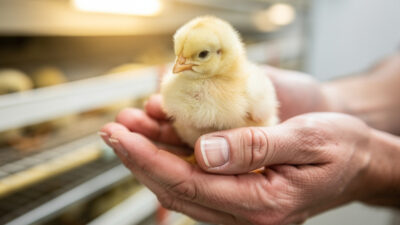
Marek’s Disease in Chickens: Signs, Vaccination, and Prevention
Marek’s disease is the one I most want backyard keepers to understand before they ever buy birds, because it can’t…
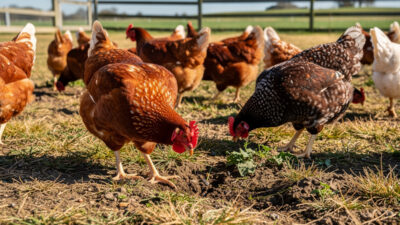
Worming Chickens: Internal Parasites, Signs, and Why to Test First
Worming is the area of chicken keeping where the instinct to “just treat them to be safe” does the most…