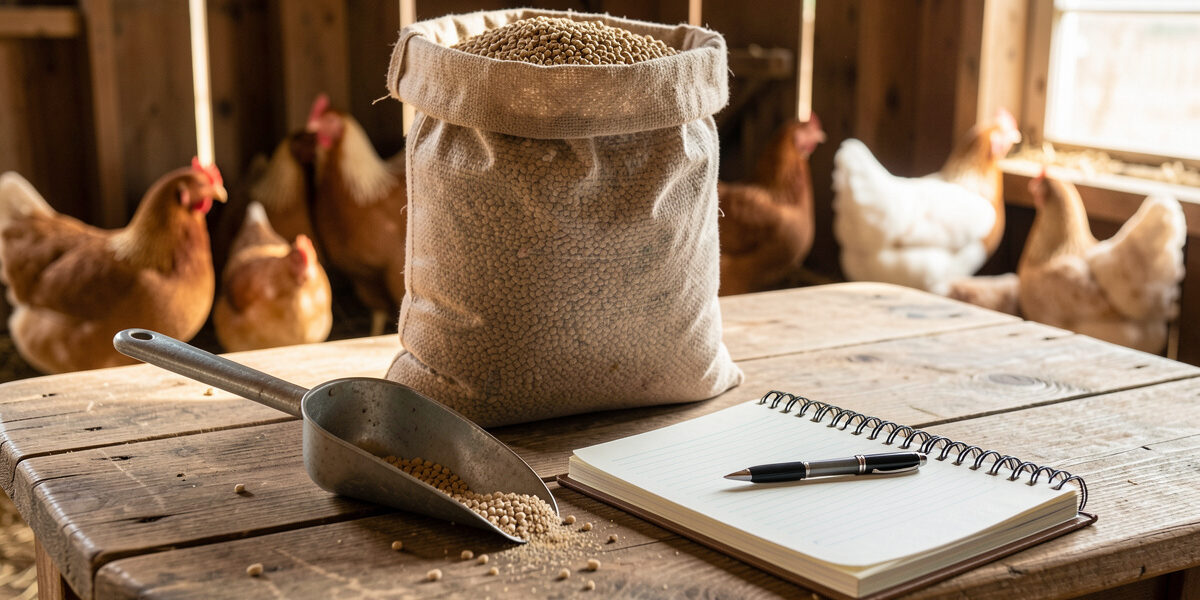
Raising your own meat chickens typically costs about 8 to 14 dollars per finished bird, or roughly 2 to 3 dollars per pound of dressed meat, with feed alone accounting for 65 to 75 percent of that. A batch of 25 Cornish Cross broilers runs somewhere around 250 to 350 dollars all in. That lands home-raised chicken between budget supermarket prices and premium organic — most keepers do it for quality and control, not pure savings.
I keep a laying flock, so I track feed costs the way anyone running animals does, and the meat-bird question always comes back to the feed bill. The chicks are cheap and the equipment is mostly one-time; feed is the number that decides everything. Here is the honest, line-by-line breakdown so you can budget a batch before you order, and understand why the per-pound figure lands where it does.
Where the Money Actually Goes
The cost of a meat bird breaks into five buckets: chicks, feed, brooding (heat and bedding), processing, and one-time equipment. Feed dominates so completely that everything else is rounding by comparison — a Cornish Cross eats roughly 12 to 15 pounds of feed to reach harvest weight, and at typical feed prices that is the single biggest line on the page.
The chicks themselves are usually 2 to 4 dollars each, less for straight-run dual-purpose birds. Brooder heat for the first few weeks adds a little electricity, bedding adds a few dollars across the batch, and processing is either a per-bird fee to a custom processor or amortized equipment if you do it yourself. Knowing which bird you are raising changes the math, because feed conversion and grow-out length differ sharply by type — the breeds comparison lays those differences out.
Cost Breakdown Per Bird and Per Batch
Here is a realistic budget for a batch of 25 Cornish Cross broilers raised to a 5-pound dressed weight in 8 weeks. Treat these as planning ranges — your feed prices, electricity, and processing choice move them.
| Cost item | Per bird | Batch of 25 |
|---|---|---|
| Day-old chick | $2–4 | $50–100 |
| Feed (12–15 lb) | $5–8 | $125–200 |
| Bedding | $0.50–1 | $15–25 |
| Brooder heat / power | $0.50–1 | $15–25 |
| Processing (if hired) | $3–5 | $75–125 |
| Total per bird | $8–14 | $250–350 |
Process the birds yourself and you cut 3 to 5 dollars a bird, at the cost of up-front equipment that pays back over several batches — the home processing basics guide weighs that decision.
Why Feed Is the Number That Matters
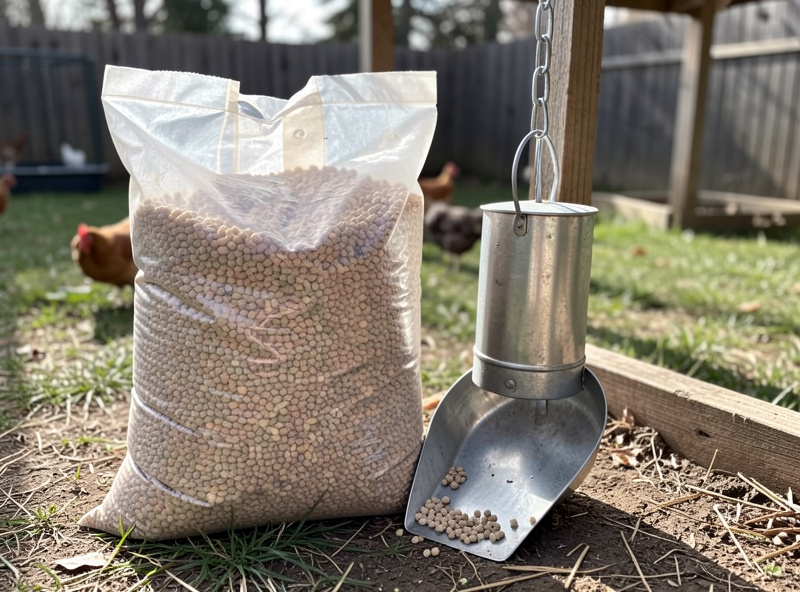
Because feed is two-thirds or more of the cost, the feed-conversion ratio of your chosen bird is the single biggest lever on the per-pound price. A Cornish Cross at roughly 2 pounds of feed per pound of gain is the cheapest meat to produce; a heritage dual-purpose bird at 3.5-to-4.5 pounds of feed per pound of gain costs noticeably more per pound, even though the chicks may be cheaper.
This is the trap behind “I’ll just raise heritage birds to save money” — the slower bird eats far more total feed across its longer life, so it is rarely cheaper per pound despite the romance. The exception is the dual-purpose cockerel raised as a by-product of a laying flock, where the bird was being fed anyway; the dual-purpose breeds guide covers that angle. Buying feed in bulk and minimizing waste with a good feeder are the two practical ways to push the feed number down. For the feed-stage details, see the feeding and nutrition guide.
Is It Cheaper Than the Store?
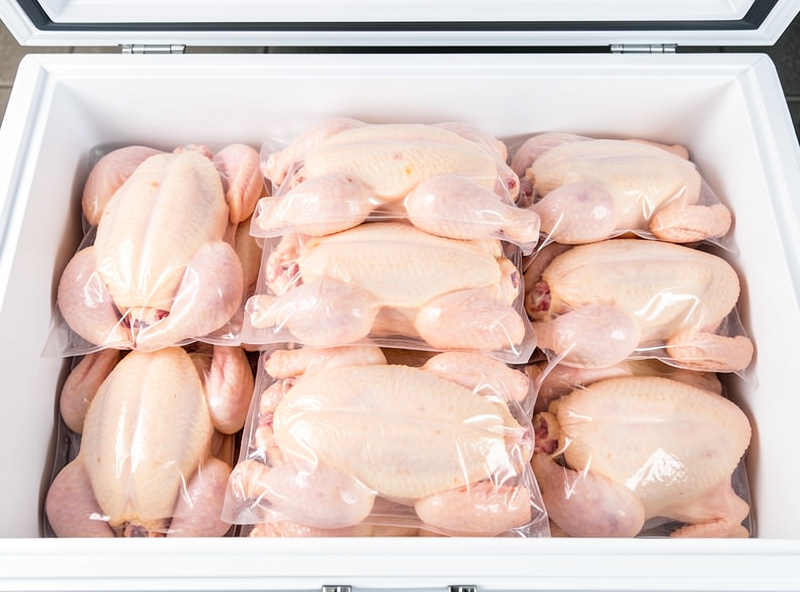
Honestly, usually not cheaper than the cheapest supermarket chicken, which is produced at a scale a backyard cannot match. Home-raised birds at 2 to 3 dollars per pound of dressed meat sit above budget store chicken at well under that, but comfortably below premium pasture-raised organic birds that can run 5 to 7 dollars a pound or more.
So the value case is not the rock-bottom price — it is what you get for that middle-of-the-road cost: birds you raised, fed, and handled yourself, with full traceability and welfare you controlled. That is why people keep doing it. The one-time equipment also keeps getting cheaper per bird the more batches you run, so a keeper who raises meat birds every year lands at the lower end of these ranges over time. The full husbandry context is in the complete meat chicken guide.
The Costs People Forget
Two costs rarely make it into the budget and both are real: your time, and the one-time infrastructure. A batch of meat birds is about 10 to 15 minutes of work a day for two months, plus a full processing day at the end — not a huge commitment, but not zero, and worth counting honestly before you scale up.
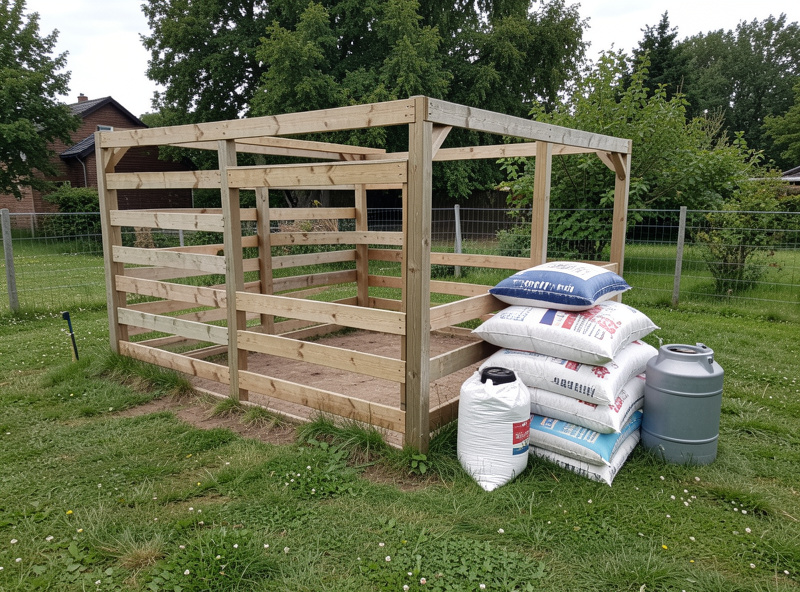
On the infrastructure side, a movable pasture pen or tractor, a quality feeder, and waterers are up-front purchases that do not recur, so they weigh heavily on a first batch and barely register by the third. If you already keep layers, much of this gear and know-how is sitting in your yard, which is part of why existing keepers add meat birds so readily. Predator losses are the cost nobody budgets for and the most painful — a single breach can wipe out a batch, which is why the predator-proofing in the main guide is money rather than paranoia. Build the pen right once and it protects every batch after.
Cutting Costs Without Cutting Corners
The legitimate ways to lower the cost are all on the feed and equipment side: buy feed in bulk before a batch, use a feeder that does not spill, give pastured birds access to forage to offset a little feed, and process at home once you are confident. Raising a slightly larger batch also spreads the one-time costs of waterers, feeders, and any processing gear across more birds.
What you should not cut is feed quality or space — underfeeding protein or overcrowding to save money produces poor birds and health problems that cost more than they save. Check what your jurisdiction allows before scaling up a batch, since flock-size limits and processing rules vary; the regulations guide is the place to start.
Frequently Asked Questions
How much does it cost to raise a meat chicken?
A finished meat chicken typically costs about 8 to 14 dollars to raise, or roughly 2 to 3 dollars per pound of dressed meat. Feed makes up 65 to 75 percent of that, with chicks, bedding, brooder heat, and processing making up the rest.
How much does a batch of 25 meat chickens cost?
A batch of 25 Cornish Cross broilers raised to harvest typically costs around 250 to 350 dollars all in, including chicks, feed, bedding, brooder power, and processing. Doing your own processing instead of hiring it out lowers the total.
Is raising meat chickens cheaper than buying?
Usually not cheaper than budget supermarket chicken, which is produced at massive scale. Home-raised birds land between budget and premium organic store prices. Most keepers raise their own for quality, traceability, and welfare control rather than savings.
What is the biggest cost in raising meat chickens?
Feed, by a wide margin, at 65 to 75 percent of the total. Because of that, the feed-conversion ratio of your chosen breed is the biggest lever on cost. Fast Cornish Cross are cheapest per pound; slow heritage birds eat far more feed overall.
How can I lower the cost of raising meat chickens?
Buy feed in bulk, use a spill-proof feeder to cut waste, give pastured birds forage access, process at home once confident, and raise a slightly larger batch to spread one-time equipment costs. Never cut feed quality or space to save money.
Related Guides
- Raising Meat Chickens: The Complete Backyard Guide
- Best Meat Chicken Breeds Compared
- Raising Cornish Cross Broilers
- Home Poultry Processing Basics
- Backyard Meat Chicken Regulations
Related Guides
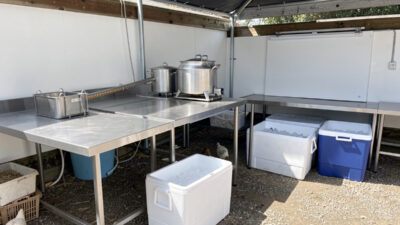
Home Poultry Processing Basics: A Humane Overview
Home poultry processing for personal use is legal in most places and, with preparation, is a calm and humane part…
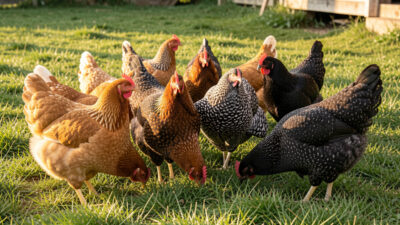
Dual-Purpose Chicken Breeds for Meat and Eggs
Dual-purpose chicken breeds lay a respectable 150 to 250 eggs a year and still dress out into a usable 3-to-4.5-pound…
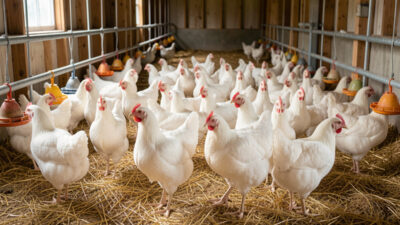
Raising Cornish Cross Broilers: The Fast-Growth Guide
Raising Cornish Cross broilers comes down to one rule the hatchery catalogs bury: do not let them eat around the…