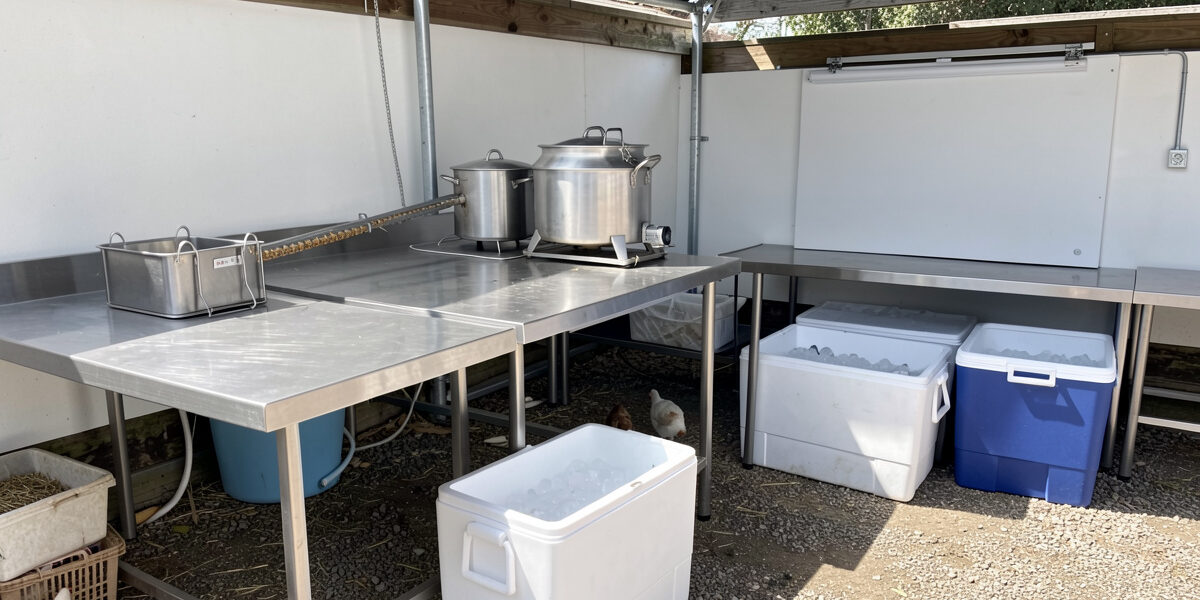
Home poultry processing for personal use is legal in most places and, with preparation, is a calm and humane part of raising your own meat. The essentials are the same everywhere: handle birds gently, withhold feed for about 12 hours beforehand while leaving water available, work cleanly, dispatch humanely, and chill the carcass below 40°F immediately. This guide covers those principles at a practical, factual level rather than a graphic one.
I keep a laying flock, and processing surplus birds is the part of meat-keeping that most first-timers worry about and most experienced keepers describe as quieter and more matter-of-fact than they expected. My aim here is to give you the planning framework — preparation, humane handling, food safety, and the decision of whether to do it yourself at all — and to point you toward proper hands-on instruction for the techniques, because the mechanics of humane dispatch are best learned in person from an experienced keeper, not from a web page.
Should You Process at Home at All?
Not everyone should, and there is no shame in deciding not to. Home processing makes sense if you want full control over how your birds are handled and you have, or can find, hands-on instruction; using a small custom poultry processor makes sense if you would rather not do it yourself or your jurisdiction restricts home slaughter. Both are legitimate.
Many regions have a licensed custom-exempt processor who will handle backyard flocks by appointment for a per-bird fee, and that is often the right call for a first batch — you see how it is done properly before deciding whether to take it on. Whichever route you choose, the rules differ by location, so the backyard meat chicken regulations guide is the place to confirm what is allowed where you live before you commit.
| Consideration | Process at home | Use a custom processor |
|---|---|---|
| Control over handling | Full | Limited |
| Up-front equipment cost | Higher | None |
| Per-bird cost | Low | Per-bird fee |
| Skill required | Learned hands-on | None |
| Best for | Regular batches | First-timers, large batches |
Preparing for Processing Day
Good preparation is what makes the day calm. Withhold feed for roughly 12 hours beforehand so the crop and digestive tract are empty, which keeps the process cleaner, but always leave clean water available. Plan the day for cool morning hours, line up everything you need in advance, and handle the birds quietly to keep stress low.
Catch and carry birds calmly and without chasing — a stressed bird is harder on everyone and affects meat quality. Have a clean, organized work area ready before you start, with separate clean and dirty zones to avoid cross-contamination. The single biggest favor you can do yourself is to not rush: an unhurried, prepared setup is safer, cleaner, and more humane than a hurried one.
The Humane Principle
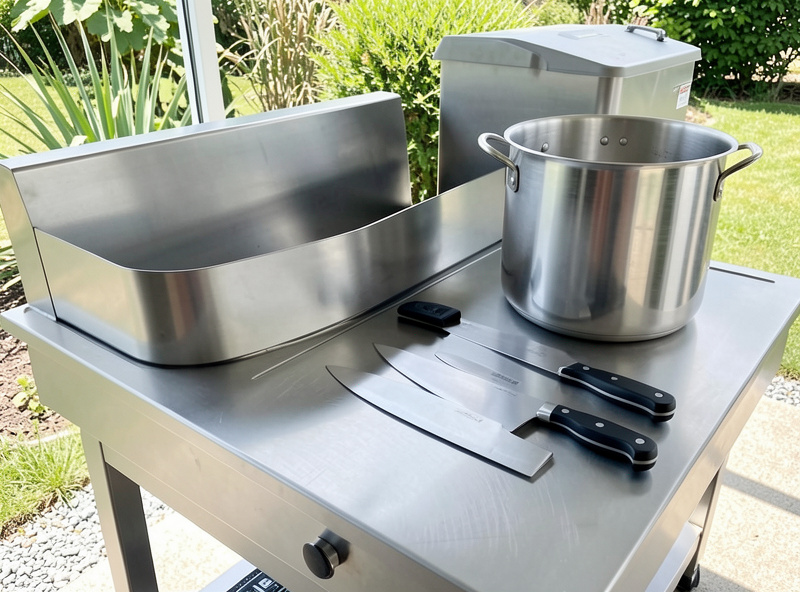
The governing standard is a swift, low-stress process that minimizes the bird’s distress, and recognized humane-slaughter guidelines exist for exactly this. Most small keepers use a restraining kill cone to keep the bird calm and still, which is both safer for the handler and less stressful for the bird than handling it loose.
I am deliberately not writing a step-by-step of the dispatch itself, because it is a physical skill that should be learned in person from an experienced keeper or through a reputable hands-on workshop, where someone can correct your technique in real time. That is not squeamishness — it is the same reason you would learn to use a welder or a sharp tool with a mentor rather than from text. Your local agricultural extension office, a poultry-keeping group, or a small farm offering classes are the right sources. Done correctly and calmly, it is quick.
Food Safety and Chilling
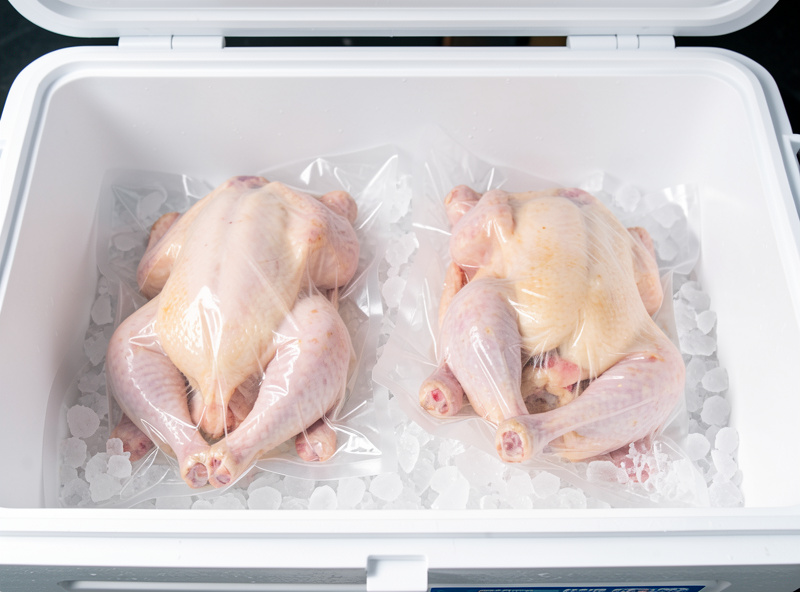
The food-safety rules are non-negotiable and the same as any poultry: get the carcass cold fast and keep it cold. Chill it in ice water or a refrigerator to below 40°F (4°C) as quickly as possible after processing, because the window between processing and chilling is where bacteria multiply.
Many keepers rest the chilled carcasses in the refrigerator for 24 to 48 hours before freezing or cooking, which lets the muscle relax so the meat is more tender — a genuinely worthwhile step with home-raised birds. Package well to prevent freezer burn, label with the date, and freeze promptly if you are not eating fresh. Keep your hands, knives, surfaces, and water clean throughout, and keep raw poultry away from anything that will not be cooked.
Work in Small Batches Your First Time
Process just a few birds your first time rather than a whole flock in one marathon, because the day takes longer and asks more of you than the videos suggest. The overall workflow moves through clear stages — humane dispatch, then scalding to loosen the feathers, plucking, cleaning and chilling — and each stage has its own rhythm you only learn by doing it.
A small first batch of three or four birds lets you find that rhythm, sort out where your setup is awkward, and build confidence before you commit to 25. It also keeps the food-safety side manageable, since you are not leaving carcasses waiting to be chilled while you work through a backlog. Pace beats volume every time at the start. Once you have done it calmly a few times, scaling up to a full batch is mostly a matter of having enough cooler space and ice on hand — which loops back to planning the day before you begin.
Sanitation and Dealing with Waste
Clean up thoroughly and handle the by-products responsibly: feathers and offal compost well in a properly managed hot pile, turning a disposal problem into garden fertility. A backyard processing day generates organic waste that, composted correctly at the right temperature and buried in the core of an active pile, breaks down cleanly without attracting pests.
This closes the same loop the rest of the flock feeds — the chicken-powered garden compost cycle handles manure the same way. Sanitize all equipment and surfaces afterward, and store your processing gear clean and dry for next time. For the full picture of how processing fits the overall project, the complete meat chicken guide sets the context, and the cost breakdown covers equipment versus processor fees.
Frequently Asked Questions
Is it legal to process chickens at home?
In most places home processing for personal use is legal, but rules on selling the meat, slaughter location, and flock numbers vary widely by jurisdiction. Always confirm your local zoning and agricultural regulations before starting, and consider a custom processor if home slaughter is restricted.
How long should you withhold feed before processing?
Withhold feed for about 12 hours beforehand so the crop and digestive tract are empty, which keeps the process cleaner. Always leave clean water available during this time. Plan the processing for cool morning hours when birds are calm.
How do you chill a chicken after processing?
Chill the carcass to below 40 degrees Fahrenheit, about 4 Celsius, as fast as possible using ice water or refrigeration. Rapid chilling is the key food-safety step. Many keepers then rest the carcass in the fridge for 24 to 48 hours before freezing, which improves tenderness.
Do you need special equipment to process poultry at home?
A basic setup includes a restraining kill cone, a sharp knife, a way to heat water for scalding, a plucker or patience, clean stainless surfaces, and plenty of ice. Many first-timers use a custom processor instead to avoid the up-front equipment cost.
What do you do with feathers and offal?
Feathers and offal compost well in a properly managed hot compost pile, breaking down cleanly when buried in the core of an active pile. This turns processing waste into garden fertility, the same way composted chicken manure does.
Related Guides
- Raising Meat Chickens: The Complete Backyard Guide
- Backyard Meat Chicken Regulations: What to Check First
- The Real Cost of Raising Meat Chickens
- Best Meat Chicken Breeds Compared
- The Chicken-Powered Garden: Compost and Manure
Related Guides
The Real Cost of Raising Meat Chickens
Raising your own meat chickens typically costs about 8 to 14 dollars per finished bird, or roughly 2 to 3…
Dual-Purpose Chicken Breeds for Meat and Eggs
Dual-purpose chicken breeds lay a respectable 150 to 250 eggs a year and still dress out into a usable 3-to-4.5-pound…
Raising Cornish Cross Broilers: The Fast-Growth Guide
Raising Cornish Cross broilers comes down to one rule the hatchery catalogs bury: do not let them eat around the…