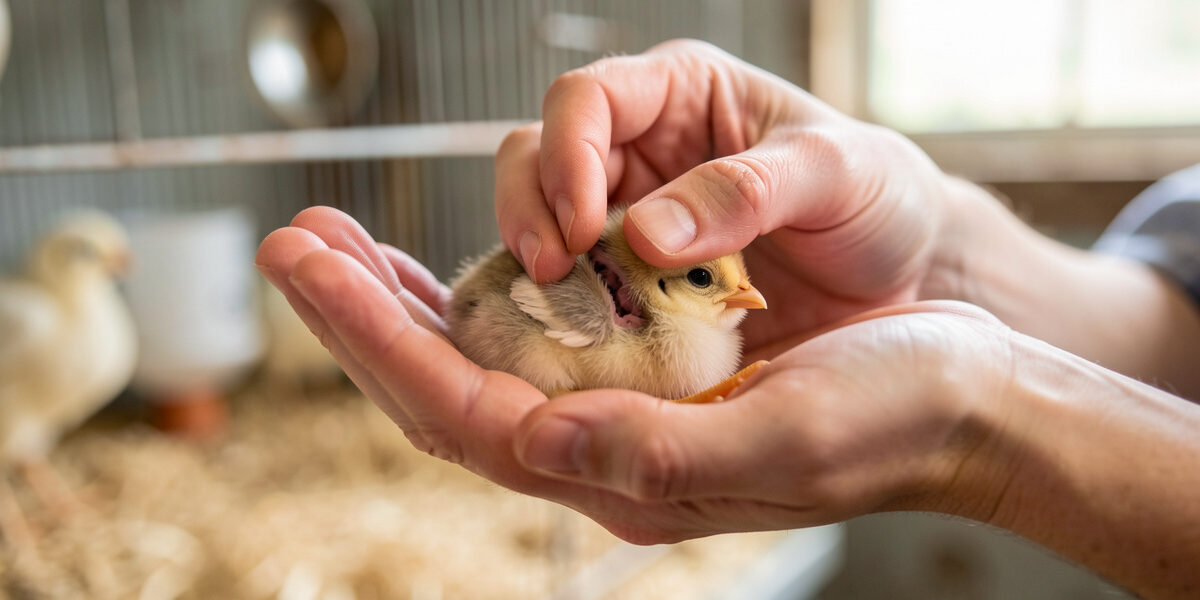
Almost every common chick problem is an environment problem first — chilling, damp bedding, crowding, or dehydration — which is why the fix usually starts with the brooder, not a bottle of anything. Over years of brooding cold-climate batches I’ve learned to read the early warning signs and, just as importantly, to know which ones I can manage with better husbandry and which ones mean it’s time to call a vet. This guide is about recognizing trouble early and preventing it, not diagnosing or medicating — for a sick chick, an avian vet is the right call, and nothing here is a substitute for one.
The reassuring truth is that a warm, dry, clean, uncrowded brooder with constant clean water prevents the large majority of chick problems before they start. When something does go wrong, the bird usually tells you early if you’re watching. Here’s what to watch for.
The information below is general husbandry guidance, not veterinary advice. For a sick, injured, or rapidly declining chick, consult an avian or poultry vet.
What a Healthy Chick Looks Like
You can’t spot trouble unless you know the baseline. A healthy chick is active, alert, and noisy in a content way — eating, drinking, dozing in loose clumps, then up and busy again. Bright eyes, clean nostrils, a clean vent, and an even spread across the brooder all say things are fine. The single best diagnostic tool you have is simply watching the brood for a few minutes a day and noticing when a bird drops off its normal active baseline. Chicks decline fast, so catching “off” early is most of the battle.
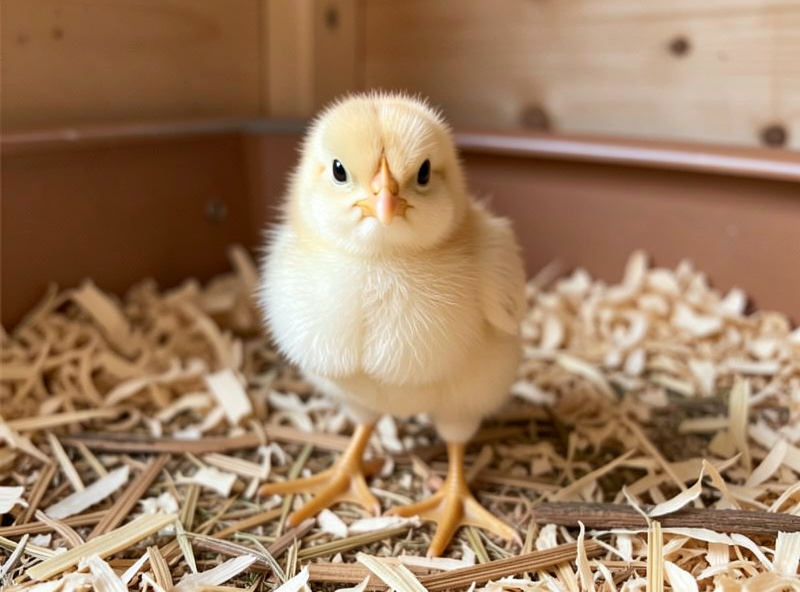
Pasty Butt
The classic first-week problem. Pasty butt is when droppings cake over and block the vent, and it can be fatal if the blockage isn’t cleared because the chick can’t pass waste. Check vents daily in the first weeks. If you find one pasted over, the gentle fix is to soften and wipe it clear with a warm, damp cloth — patiently, without pulling at the down — and then dry the chick before returning it to the warm zone. The underlying cause is usually chilling or stress, so the real fix is correcting the brooder temperature. It’s common, it’s manageable, and prevention is mostly about steady warmth and not over-stressing the chicks.
Chilling, Overheating, and Dehydration
Temperature problems are the biggest killers, and they show in behavior. Chicks piled tightly under the heat, cheeping loudly and miserably, are too cold; chicks pressed to the far walls, wings spread, panting, are too hot. Both are stress, and stress opens the door to everything else. The fix is the heat gradient — warm one end, cool the other, and let the chicks choose — covered in depth in the brooder and heat-source guides.
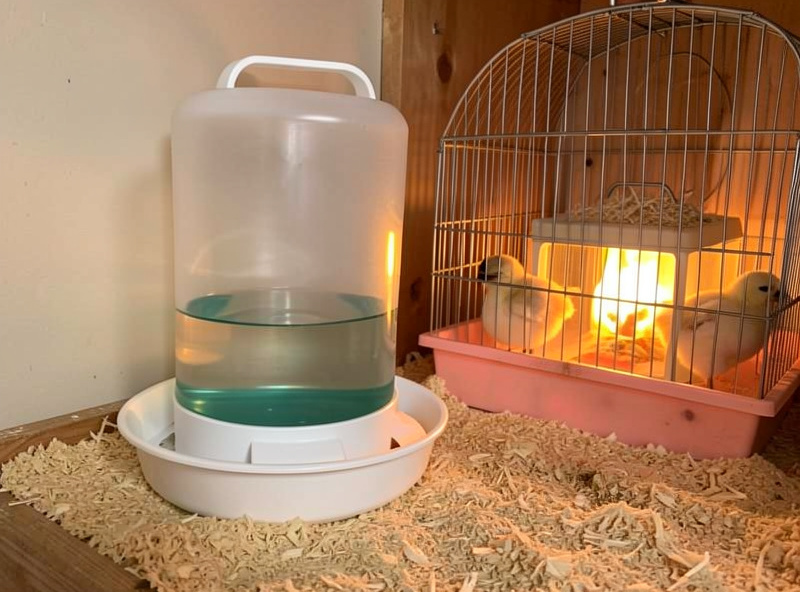
Dehydration is the quiet early threat, especially in shipped chicks that arrive stressed and dry. Make sure every chick knows where the water is — dip each beak when you settle them in — and keep clean, room-temperature water available at all times with a proper chick waterer they can’t foul or drown in. For stressed or shipped chicks, a poultry electrolyte and vitamin supplement in the water for the first days is common supportive care, not medication. A chick that stops drinking goes downhill quickly, so water access is non-negotiable.
Splayed Leg and Other Leg Issues
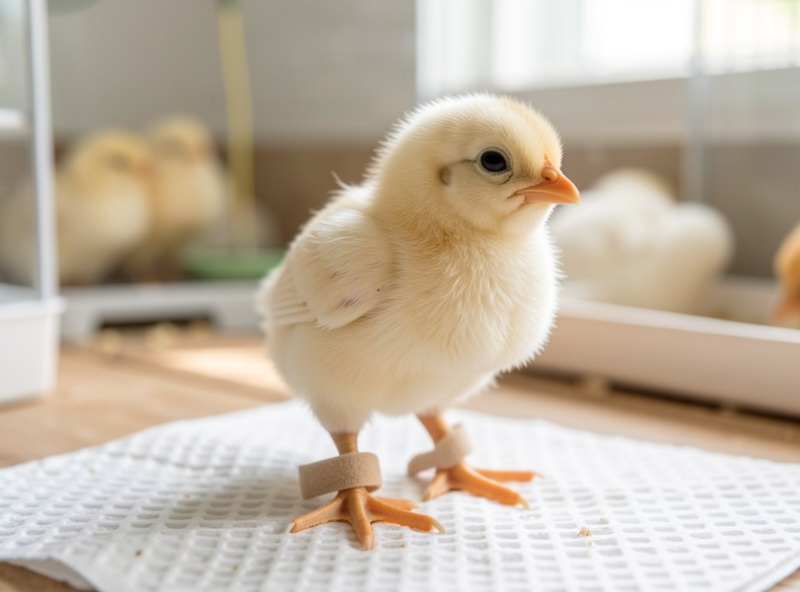
Splayed leg (or spraddle leg) is when a chick’s legs slip out sideways and it can’t stand, usually caused by a slippery brooder floor in the first days. Prevention is simple and worth doing for every brood: give newly hatched chicks a non-slip surface — paper towel or a textured liner over slick plastic — so their legs can grip while the joints firm up. Caught early, gentle supportive measures to hold the legs in a normal position are sometimes used by keepers, but a chick that can’t stand, eat, or drink needs prompt attention, and a vet is the right resource for anything beyond a mild, early case. Don’t let a struggling chick go without food and water while you wait.
Crossed Beak and Other Things You’ll Notice
A few problems aren’t environmental and aren’t emergencies — they’re just things you’ll spot and wonder about. Crossed beak (scissor beak), where the top and bottom of the beak don’t align, is a developmental issue that usually becomes visible as the chick grows. A mild case often manages fine with feed offered in a deeper dish so the bird can scoop, but a severe one can make eating hard and is worth discussing with a vet. Curled toes can appear at hatch and, like splayed leg, are sometimes helped by gentle early support, while genuinely tiny or weak “failure to thrive” chicks sometimes simply don’t have the vigor to make it despite good care — a hard but real part of any hatch. The thread through all of these is the same: provide warmth, food, and water, watch closely, and bring a vet in when a problem clearly affects the bird’s ability to eat, drink, or thrive.
Signs That Mean Call a Vet
Some signs are beyond husbandry and warrant professional help rather than home management. These belong to a vet:
| Sign | Why it matters |
|---|---|
| Blood in droppings, listlessness, huddling | Possible coccidiosis — a serious, common chick illness |
| Open-mouth breathing, gasping, rattly sounds | Respiratory problem needing diagnosis |
| Sudden weakness, paralysis, or twisted neck | Neurological signs — get professional help |
| A chick that stops eating or drinking | Fast decline at this age; act quickly |
| Rapid decline despite a correct brooder | Something beyond environment is wrong |
Coccidiosis in particular is worth understanding before it appears, because it’s one of the most common reasons chicks crash — the dedicated coccidiosis guide covers the signs and prevention, including how medicated starter and good brooder hygiene reduce the risk. The broader flock-health picture, including the diseases that hit weak or stressed birds hardest, is in the chicken health guide. In all of these, the role of this article is to help you recognize and prevent — diagnosis and any treatment belong with a vet.
Prevention Is the Whole Game
Step back and the pattern is obvious: warmth, dryness, space, clean water, and a non-slip floor prevent the great majority of chick problems. A brooder that holds a proper heat gradient, gets spot-cleaned daily, isn’t crowded, and always has clean water is a brooder where most of these issues simply don’t arise. Good biosecurity habits — clean hands, clean equipment, not mixing broods carelessly — close the loop on the infectious side.
Watch the birds, fix the environment first, and don’t hesitate to involve a vet when the signs point past husbandry. The full journey from day-old chick to healthy laying hen, with the brooder and feed details that prevent most problems, is in the complete chick and pullet care guide.
Frequently Asked Questions
What is pasty butt in chicks and how do I prevent it?
Pasty butt is when droppings cake over and block a chick’s vent, which can be fatal if not cleared because the chick cannot pass waste. Gently soften and wipe it clear with a warm damp cloth, then dry the chick and return it to warmth. It is usually caused by chilling or stress, so steady brooder warmth is the best prevention. Persistent or severe cases warrant a vet.
Why is my chick weak and not moving much?
Lethargy in a chick is a warning sign and most often traces to chilling, overheating, or dehydration — check the brooder temperature gradient and that the chick is drinking. A chick that stays weak, stops eating or drinking, or declines despite a correct brooder needs prompt veterinary attention, as chicks deteriorate quickly.
What causes splayed leg in chicks?
Splayed or spraddle leg is usually caused by a slippery brooder floor in the first days, which prevents the legs from gripping while the joints firm up. Prevent it by giving newly hatched chicks a non-slip surface such as paper towel or a textured liner. A chick that cannot stand, eat, or drink needs prompt help from a vet.
When should I take a chick to the vet?
See a vet for blood in droppings, open-mouth or rattly breathing, sudden weakness or paralysis, a chick that stops eating or drinking, or any rapid decline despite a correct brooder. These point beyond husbandry to illness or injury that needs diagnosis and treatment, which are a vet’s job, not a home guess.
Can I give chicks medicine if they look sick?
No — do not guess at medications or doses. The right response to a sick chick is to correct the environment, provide supportive care like warmth and clean water with electrolytes, and consult an avian or poultry vet for diagnosis and any treatment. Guessing at drugs is a common and avoidable way to harm a bird.
How do I keep my chicks from getting sick in the first place?
Prevention does most of the work: a proper heat gradient, dry and spot-cleaned bedding, no crowding, constant clean water, and a non-slip floor prevent the majority of chick problems. Add good biosecurity — clean hands and equipment — to reduce infectious risk. A warm, dry, uncrowded brooder is the healthiest brooder.
Related Guides
- Raising Baby Chicks: The Complete Chick and Pullet Care Guide — the full arc, with the husbandry that prevents most problems.
- Chick Brooder Setup — the warm, dry, non-slip brooder that prevents trouble.
- Coccidiosis in Chickens: Signs, Prevention, and When to Call a Vet — the chick illness worth understanding early.
- Chicken Biosecurity — keeping disease out of the brooder and flock.
Related Guides
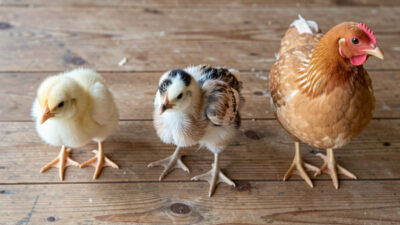
Chick Growth Timeline: From Day-Old to Point of Lay
A chick goes from a fragile day-old fluffball to a laying hen in roughly five months, passing through four recognizable…
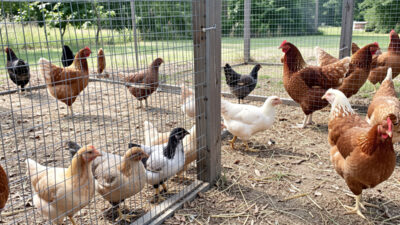
Integrating Chicks Into the Flock Without Bloodshed
You never just tip young birds into an established flock — chickens enforce a strict pecking order and a sudden…
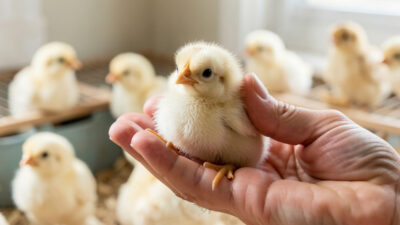
How to Sex Chicks: What Actually Works (and What Does Not)
For a backyard keeper, the only reliable way to know a chick’s sex at hatch is to buy auto-sexing or…