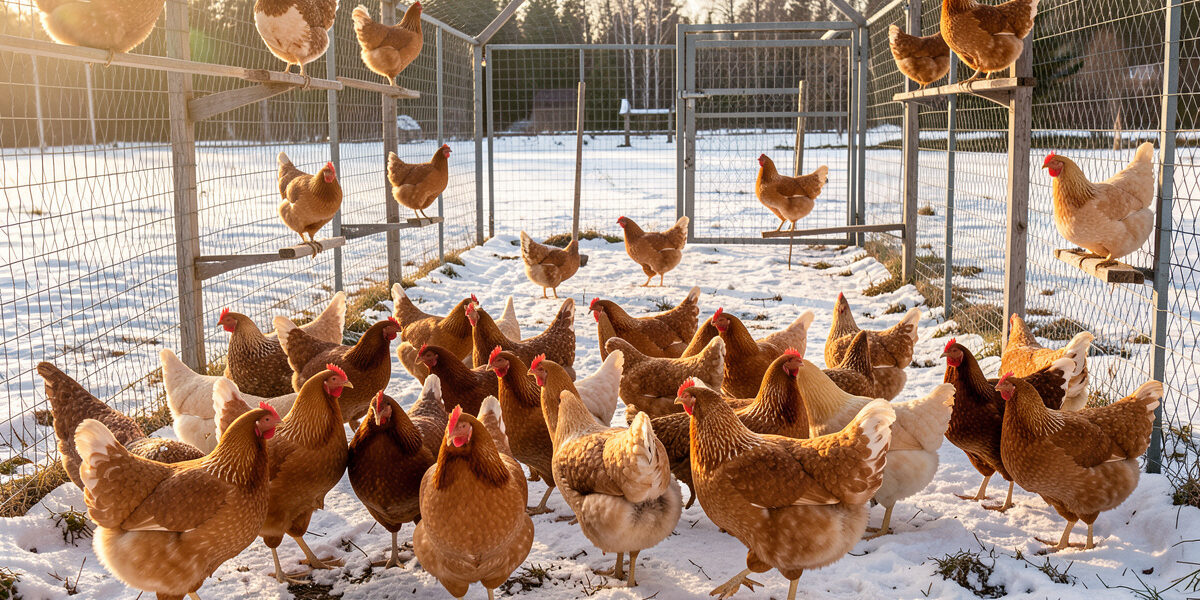
Managing a flock is 80% reading behavior and 20% hardware. Chickens run a strict social hierarchy called the pecking order, and almost every problem keepers call “random” — bullying, a hen who suddenly stops laying, birds piling in one corner at dusk — traces back to that hierarchy under stress. Get the social structure right and the coop mostly runs itself.
I keep a mixed cold-hardy flock in Sweden, in a coop I built and automated end to end, and the single biggest lesson across the years is that you cannot automate your way past bad flock management. A sunrise-offset auto-door and a camera feed tell you what happened at the wire; they do nothing about a hen who’s getting her back feathers stripped because the run is too tight. This guide is the social-and-spatial layer underneath all the gadgets: how the pecking order actually works, how to add birds without bloodshed, what to do with a broody hen, whether you need a rooster, and how to keep a flock quiet enough that your neighbors never become the predator you didn’t plan for.
What Is Flock Management and Why It Matters
Flock management is the deliberate handling of a chicken flock’s social structure, space, and routine so that birds stay healthy, productive, and low-conflict. A well-managed flock of 8 to 10 hens needs roughly 4 square feet of coop floor and 10 square feet of run per bird, plus one nesting box per 3 to 4 hens. Get those numbers wrong and behavior breaks down fast.
The reason it matters more than any single piece of kit: chickens are a prey species that survives by hierarchy. A clear, stable pecking order is calm. A contested or overcrowded one is loud, feather-pulling, and prone to injury. Across the flocks I’ve run, every serious behavior problem — feather picking, a hen sleeping in a nesting box, two birds that won’t stop fighting — has been a symptom of one of three things: too little space, a disrupted hierarchy, or boredom. Fix the underlying condition and the symptom disappears. Treat the symptom alone and it migrates to the next-weakest bird. That diagnostic habit — behavior is a signal, not the disease — is the spine of everything below, and it’s the same way I read a coop temperature alert or a camera trigger: the event is data, the cause is what you fix.
How the Pecking Order Actually Works
The pecking order is the flock’s linear dominance ranking, established through pecking, posturing, and access priority to food, water, roost space, and dust baths. It forms early — chicks start sorting it out around 6 weeks — and stabilizes in an established flock, where the top hen eats first and roosts highest and the bottom bird waits.
What surprises most new keepers is that the pecking order is not cruelty; it’s conflict avoidance. Once rank is settled, birds stop fighting because everyone knows their place. The trouble starts when the order is disturbed — a new bird, a removed bird, a sick bird who drops in rank, or a layout that forces low-rank birds to challenge for a single resource. The fix is almost always to remove the bottleneck: multiple feeders and waterers so a dominant hen can’t guard them all, enough roost bar so the bottom bird isn’t pecked off the perch, and line-of-sight breaks in the run so a chased bird can disappear. I cover the full mechanics in the dedicated chicken pecking order guide in this cluster, but the headline is simple: design the space so rank can be expressed without a fight.
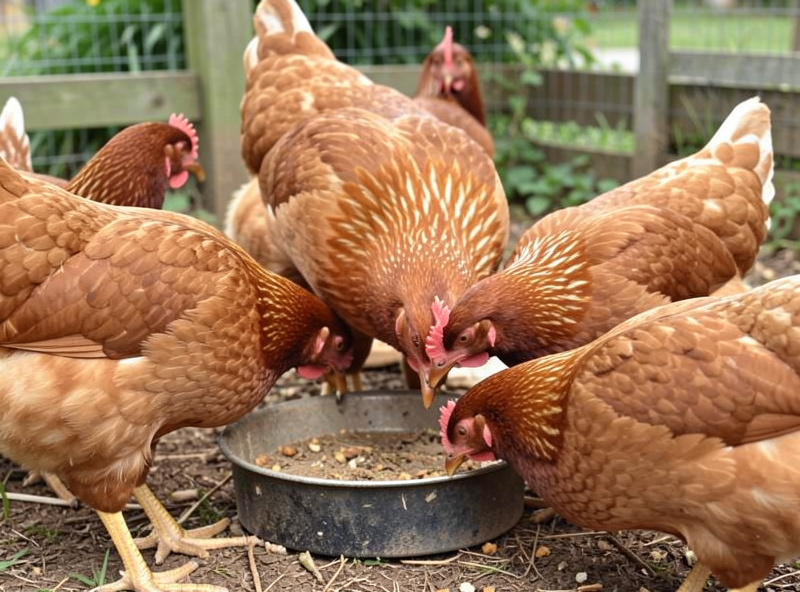
One practical tell I watch on the camera feed: at dusk, a calm flock files onto the roost in a loose order and settles within minutes. A flock with an unsettled hierarchy mills, squawks, and a low bird gets pecked off the bar repeatedly. If I see that pattern three nights running, I add roost length before I do anything else — and nine times out of ten the milling stops.
Introducing New Chickens Without Bloodshed
Introducing new birds is the single most dangerous moment in flock management because it forcibly re-opens a settled pecking order. The proven method is gradual: quarantine new birds for 2 to 4 weeks, then house them adjacent to the existing flock behind hardware cloth for 1 to 2 weeks of “see but don’t touch” before integrating on neutral ground.
Skipping the see-but-don’t-touch stage is how keepers lose birds. When strangers meet face to face with no prior visual familiarity, the resident flock treats them as intruders and the fighting is immediate and serious. The mesh-divider week lets both groups normalize the sight and sound of each other so that when you finally combine them, it reads as a rank dispute rather than an invasion. I run my integrations through a temporary hardware-cloth panel — the same 19-gauge half-inch mesh I clad the run in — and I integrate at dusk so they wake up together. The full sequence, including how to integrate point-of-lay pullets versus mature hens, is in this cluster’s guide to introducing new chickens to the flock. If you’re integrating young birds raised in a brooder, the timing and space rules differ slightly — that’s covered in integrating chicks into the flock.
Managing a Broody Hen
A broody hen is one whose hormones have flipped into incubation mode: she sits the nest relentlessly, fluffs and growls when approached, stops laying, and may stop eating normally. Broodiness lasts about 21 days if allowed to run, and in a flock with no rooster — no fertile eggs — it’s usually something you want to break rather than indulge.
The reason to manage it: a hen who sits an empty nest for three weeks loses condition, hogs a nesting box other hens need, and can develop health problems from not eating and dusting. Breaking broodiness is about lowering her body temperature and removing the dark, enclosed trigger — typically a wire-bottomed “broody breaker” cage with food and water but no bedding for a few days. Some breeds go broody constantly (Silkies, Orpingtons, Cochins) and some almost never (Leghorns, most hybrids), which is worth knowing before you choose birds. The full method, plus when to let a broody hatch, is in this cluster’s broody hen management guide. Breed tendencies tie directly into the best laying breeds and cold-hardy chickens if you’re still choosing a flock.
Do You Need a Rooster?
You do not need a rooster for hens to lay eggs — only to fertilize them. A rooster’s real jobs are flock defense, breaking up squabbles, and fertility for hatching. Whether to keep one comes down to your goals, your neighbors, and local rules, since a single rooster’s crow easily exceeds 60 decibels and starts well before dawn.
I keep a hen-only flock in a suburban-adjacent Swedish setting precisely because of the noise and the regulations, and for most backyard keepers that’s the right call. A good rooster genuinely earns his keep — he watches the sky, sounds alarms my cameras then confirm, and keeps order among the hens — but he also needs enough hens (8 to 12) to spread his attention so he doesn’t over-mate and bare a favorite hen’s back. The decision framework, plus how to manage an aggressive rooster, is in this cluster’s rooster management guide. If noise is your deciding factor, read it alongside the noise and neighbors guide below.
Bullying, Feather Picking, and Cannibalism
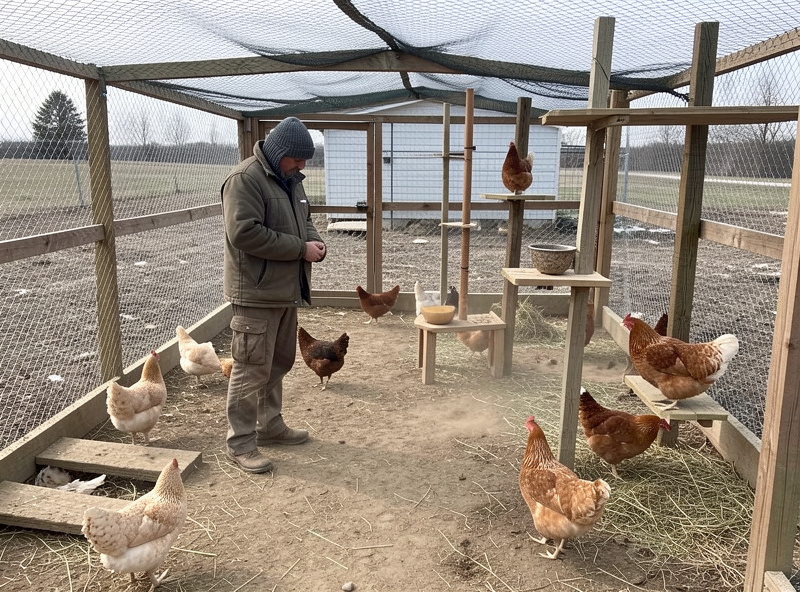
Bullying and feather picking are behavior problems, not a flock’s nature, and they almost always trace to a specific stressor: overcrowding, boredom, nutritional gaps (especially protein), bright light, or a bird who looks different. Caught early, the bald patch on one hen’s back or vent is a warning; left alone, feather picking can escalate to cannibalism, which spreads fast once blood is drawn.
The mistake I see constantly is treating the victim instead of the cause. Isolating the picked-on hen, dabbing anti-peck balm, fitting “blinders” — those buy time, but the picking resumes on the next-weakest bird because the real problem (a tight run, a single feeder, 16 hours of unbroken light) is still there. The durable fixes are spatial and nutritional: more space, more feeder and water stations, enrichment to fight boredom, a protein check, and removing any bird actually drawing blood. I walk through the full diagnostic and the prevention checklist in this cluster’s bullying and feather-picking guide. Note that a sudden patch of feather loss can also be a molt or a mite load rather than picking — if you suspect parasites, cross-check against chicken mites and lice before assuming behavior, and route any open wound or sick bird to an avian vet.
Free-Range vs Confined: Choosing a Management Style
Free-ranging and confinement are two ends of a management spectrum, and the right choice is a trade between forage, behavior, and predator risk. Free-range birds get more exercise, more natural diet, and fewer boredom-driven vices, but they’re exposed to hawks, foxes, and the neighbor’s dog. Confined birds are far safer but need engineered space and enrichment to stay sane — minimum 10 square feet of run per bird, and more is better.
I run a hybrid most keepers should consider: a secure, hardware-cloth-clad run as the default, with supervised free-ranging or a rotated electric-poultry-netting paddock when I’m around to watch the sky.
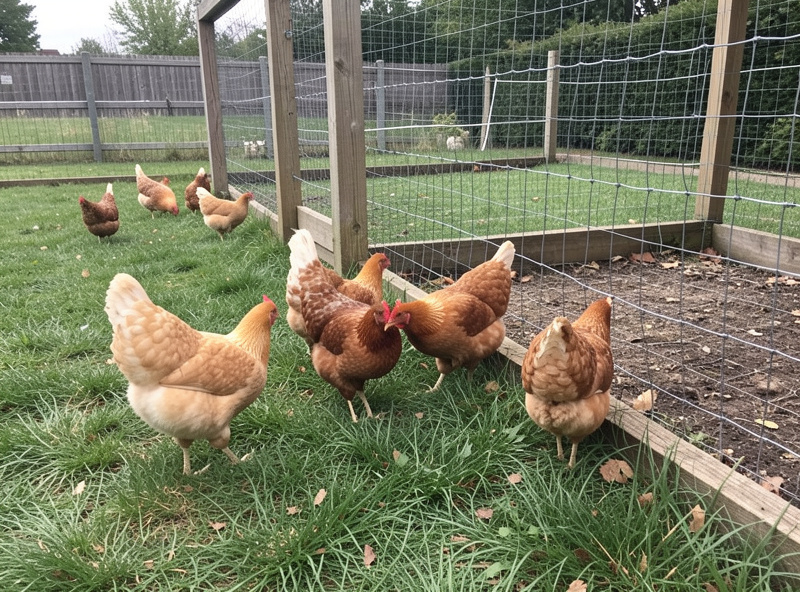
That captures most of the behavioral upside of ranging without leaving the flock exposed when I’m not there. The full comparison — including how stocking density drives behavior either way — is in this cluster’s free range versus confined guide. Whichever you pick, the predator math doesn’t change: read predator-proof chicken coop, hawk protection, and electric fencing before you ever open a pop door to the wider yard.
Noise, Neighbors, and Keeping the Peace
Backyard chicken noise is manageable for hens and a genuine problem for roosters. Hens are quiet most of the day, with the loudest moment being the “egg song” after laying — brief and tolerable. A crowing rooster is a different category entirely and is the most common trigger for neighbor complaints and ordinance enforcement.
Keeping the peace is half acoustics and half diplomacy. Position the coop away from the shared fence line, give hens enough space that frustration noise drops, skip the rooster unless you truly need one, and — the move that defuses more conflict than any other — share the eggs. A neighbor eating your eggs rarely files a complaint. The full playbook, including how local ordinances and HOA rules tend to read, is in this cluster’s noise-and-neighbors guide. If permits are part of your situation, the coop permits and HOA rules guide covers the regulatory side.
Enrichment: The Cheapest Behavior Insurance You Can Buy
Enrichment is anything that lets a confined flock express natural behavior — scratching, dust bathing, perching, foraging, and pecking at something other than each other. It is the most underrated tool in flock management: a bored flock invents vices, and a busy one doesn’t. A dust bath, a few staggered perches, and a hung cabbage will prevent more feather picking than any anti-peck product on the shelf.
The mechanism is simple. Chickens are built to spend most of their waking hours working a patch of ground for food. Take that away in a bare run and the drive doesn’t vanish — it redirects, usually onto the nearest hen’s tail feathers. In my run I keep a permanent dry dust-bathing corner (the birds will use a hollow in dry soil, wood ash, and a little sand), perches at varying heights so low-rank birds have somewhere to escape upward, and rotating foraging interest: a flake of hay to dig through, a hung green, scratch grain tossed into deep litter so they have to work for it. None of it is expensive, and all of it pays back in a calmer flock and fewer bald hens. Boredom-driven picking is the easiest behavior problem to prevent and one of the hardest to cure once it’s a habit, which is exactly why I treat enrichment as standard equipment, not a nice-to-have. The deep-litter floor itself doubles as enrichment — birds turn it constantly hunting for bugs and dropped grain — and it ties straight into the manure-to-compost garden cycle I run on the other side of the fence.
Reading Flock Behavior Through the Camera
A coop camera is a behavior-monitoring tool long before it’s a predator tool. The night-vision feed shows me roost dynamics, who’s eating, who’s hiding, and who’s off on her own — and a hen who isolates is the earliest visible sign of trouble in the whole flock. Catching that pattern a day early is worth more than any single automation in the coop.
What I actually watch for: the dusk roost-up should be orderly within a few minutes, with everyone finding a spot. A bird that paces below the bar, gets pecked off repeatedly, or sleeps in a nesting box is telling me the hierarchy or the roost geometry is wrong. A hen standing apart, fluffed and still, when the rest are active is a husbandry flag — not a diagnosis, but my cue to catch her and look closer, and to route anything that looks like illness to an avian vet. None of this requires a fancy setup; a single PoE camera with proper infrared, positioned to cover the roost and the main feeder, turns invisible overnight behavior into something I can actually manage. The clearest example I’ve caught this way: a hen who’d quietly dropped to the bottom of the order was being pushed off the roost every night and had started sleeping on the coop floor, where she was getting chilled. Nothing showed during the day. The night feed flagged it in two evenings, I added eighteen inches of roost bar the next morning, and she was back up on the bar within a week. It’s the same principle as a coop temperature alert: the sensor doesn’t fix anything, but it tells me where to point my attention before a small problem becomes a dead bird.
Flock Management Quick-Reference Table
The most common behavior problems and their actual causes, mapped to the durable fix rather than the band-aid. This is the table I’d hand a new keeper before they buy a single anti-peck gadget.
| Behavior Problem | Most Likely Cause | Durable Fix | Band-Aid to Avoid |
|---|---|---|---|
| Feather picking on backs/vents | Overcrowding, low protein, boredom | More space, protein check, enrichment | Anti-peck balm alone |
| Constant fighting between two hens | Unsettled or re-opened pecking order | Add resources, line-of-sight breaks | Removing the loser only |
| New bird attacked on introduction | Skipped see-but-don’t-touch stage | Mesh divider for 1-2 weeks first | Dropping birds in directly |
| Hen sitting nest, not laying | Broodiness (hormonal) | Broody-breaker cage, lower temp | Repeatedly removing eggs only |
| Bird pecked off the roost at dusk | Too little roost bar length | Add perch length (8-12 in/bird) | Catching and re-placing nightly |
| Loud daytime racket | Rooster, or frustrated hens | Rehome rooster, add space | Hoping neighbors don’t mind |
| One hen always last to everything | Normal low rank (if no injury) | Usually nothing — monitor only | Over-intervening, disrupting order |
Building a Calm Flock From Day One
If I were starting a flock today with everything I’ve learned, I’d front-load the decisions that prevent behavior problems instead of reacting to them: pick the right breeds, build genuinely enough space, and design the layout so rank can be expressed without a fight. A flock built on 4 square feet of coop and 10-plus square feet of run per bird, with multiple feed and water stations, ample roost length, properly sized nesting boxes, and a few enrichment perches, almost never develops the vices keepers spend their first year fighting.
Start with breed temperament — calm, cold-hardy, dual-purpose birds are forgiving, which is why I point new keepers at friendly chicken breeds and the best backyard breeds. Then build for the flock you’ll actually have, not the flock you’re buying — chicken math means the coop built for 6 ends up holding 10, so size up using the coop size guide and a properly sized chicken run. Sort the social structure and the space, and the automation — the doors, cameras, and sensors I run on a Home Assistant brain — finally becomes what it should be: a way to watch a calm flock, not a patch over a stressed one.
Frequently Asked Questions
How much space does each chicken need to prevent behavior problems?
Plan for about 4 square feet of coop floor and 10 square feet of run per bird, plus 8 to 12 inches of roost bar each. Crowding below these figures is the single most common cause of feather picking and bullying.
How long does it take to introduce new chickens to a flock?
Budget 3 to 6 weeks total: 2 to 4 weeks of quarantine, then 1 to 2 weeks of see-but-don’t-touch housing behind hardware cloth before combining birds on neutral ground at dusk. Skipping the mesh stage causes most integration injuries.
Do you need a rooster for hens to lay eggs?
No. Hens lay eggs with or without a rooster; a rooster only fertilizes them for hatching. Roosters add flock defense and order but also crow loudly, often before dawn, which is the leading trigger for neighbor complaints.
How do you stop chickens from feather picking?
Fix the cause, not the victim. The durable fixes are more space, additional feeder and water stations, enrichment against boredom, and a protein check. Anti-peck balm and isolating the picked bird only move the problem to the next-weakest hen.
How do you break a broody hen?
Lower her body temperature and remove the dark nesting trigger, usually with a few days in a wire-bottomed broody-breaker cage with food and water but no bedding. Broodiness left alone runs about 21 days and costs the hen condition.
Is the pecking order cruel or a problem to fix?
A settled pecking order is normal and actually reduces fighting, since every bird knows its rank. It only becomes a problem when disrupted by new birds, a removed bird, or a layout that forces low-rank hens to fight for a single resource.
Related Guides
Related Guides
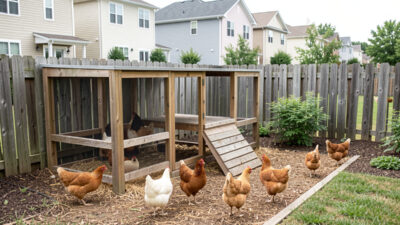
Backyard Chicken Noise and Neighbors: Keeping the Peace
Backyard chicken noise is manageable for hens and a genuine problem for roosters — that distinction is the whole story.…
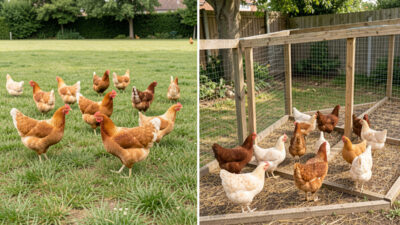
Free Range vs Confined Chickens: Which Is Right?
Free-range versus confined isn’t a question of which is “better” — it’s a trade between forage, behavior, and predator risk,…
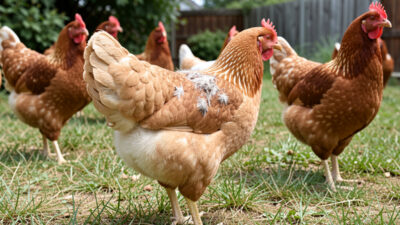
Chicken Bullying and Feather Picking: Causes and Fixes
Bullying and feather picking are behavior problems, not a flock’s nature, and they almost always trace to a specific stressor:…