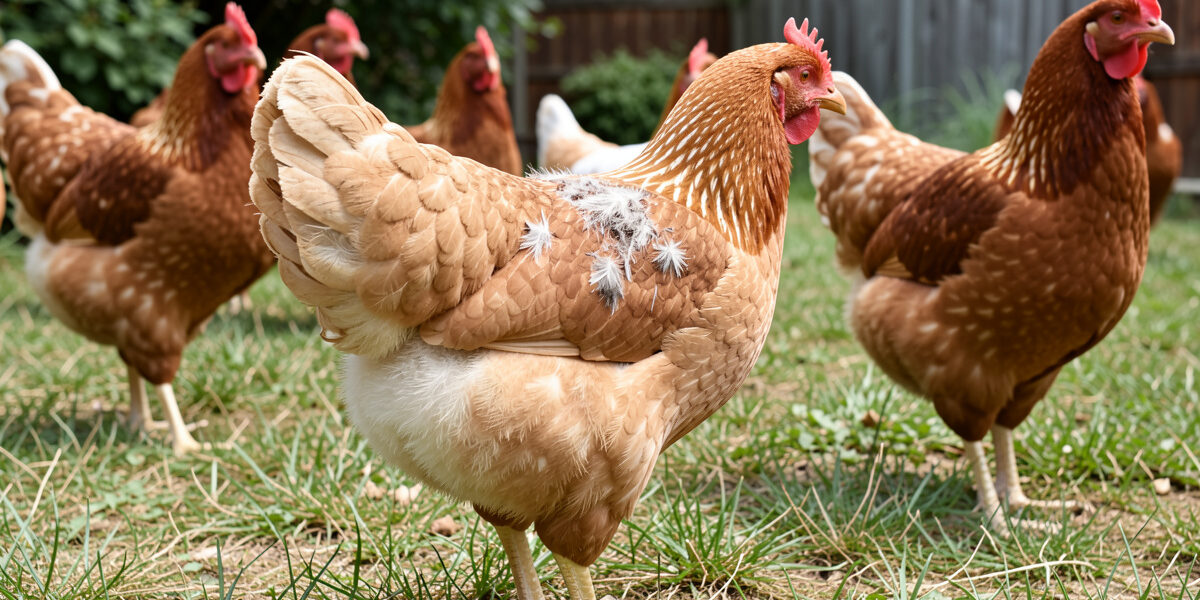
Bullying and feather picking are behavior problems, not a flock’s nature, and they almost always trace to a specific stressor: overcrowding, boredom, a nutritional gap, harsh light, or a bird who looks or behaves differently. Caught early — a bald patch on one hen’s back or around her vent — it’s a warning you can act on. Left alone, feather picking can escalate to cannibalism, which spreads through a flock fast once blood is drawn.
The mistake I watched myself make as a newer keeper, and see constantly in others, is treating the victim instead of the cause. You isolate the picked-on hen, dab on anti-peck balm, maybe fit a pair of “blinders” — and the picking simply migrates to the next-weakest bird, because the real problem is still there. Bullying is a symptom, and the durable fixes are almost always spatial and nutritional. This guide is the troubleshooting half of the broader flock management guide, and it builds on the pecking order, because the difference between normal rank enforcement and genuine bullying is what you most need to read correctly.
Bullying vs Normal Pecking Order
Normal pecking-order behavior is a quick peck or chase that ends in a step-aside; the lower bird defers and everyone gets fed. Bullying is different — it’s relentless, targeted aggression toward a specific bird that can’t escape it, often leaving her unable to reach food and water, hiding constantly, or physically injured.
The line between the two is access and injury. If a low-ranking hen is eating, drinking, dust-bathing, and roosting — just last in line for everything — that’s a healthy hierarchy and you leave it alone. If a particular bird is being chased off resources, kept cowering in a corner, losing condition, or showing torn feathers and broken skin, that’s bullying and it has a cause you need to find. Misreading normal rank-sorting as bullying and intervening only prolongs the chaos; misreading real bullying as “just the pecking order” lets it escalate to bloodshed. Reading it right is the whole skill.
What Causes Feather Picking and Bullying
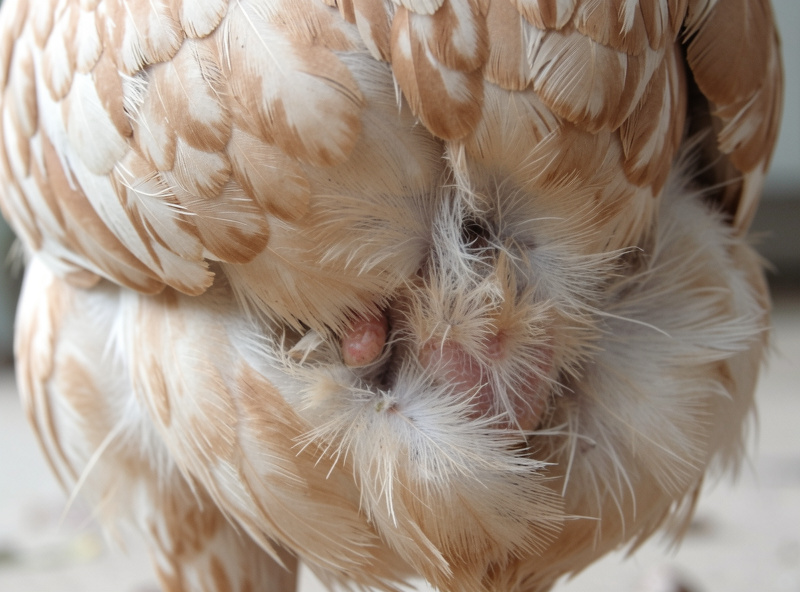
Five stressors cause the overwhelming majority of feather picking: overcrowding, boredom, insufficient protein, too-bright or too-long lighting, and a bird that stands out (injured, sick, a different color, or newly introduced). Pinpointing which one is at work in your coop is the entire job, because the fix follows directly from the cause.
Overcrowding is the most common by far — birds packed below roughly 4 square feet of coop and 10 square feet of run per bird have nowhere to escape aggression and nothing to do, and the frustration comes out as feather pulling. Boredom does the same in a bare run with no foraging, dust bath, or perches. A protein shortfall (layer feed should run around 16 to 18 percent protein) drives some hens to eat feathers for the keratin. Bright, unbroken light winds a flock up. And any bird that looks different — a fresh wound, a new hen, an odd color — can become a target, with blood being the strongest trigger of all, which is how picking tips into cannibalism. Match the fix to the cause and the behavior stops; guess wrong and it continues.
How to Stop Feather Picking
The durable fixes are spatial and nutritional, applied to the cause rather than the symptom: more space, more feeder and water stations, enrichment against boredom, a protein check, dimmer or shorter lighting, and the removal of any bird actively drawing blood. Do these and the picking resolves; skip them and no balm or blinder will hold.
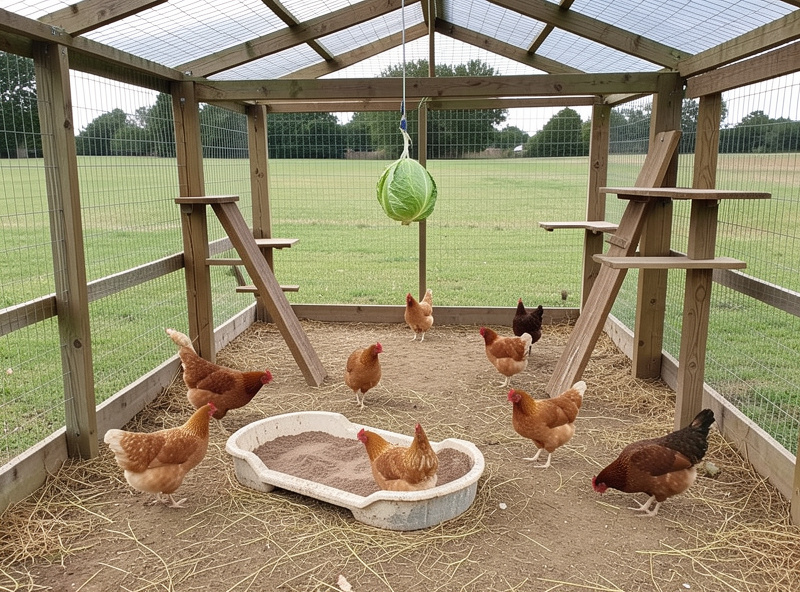
Concretely, here’s the order I work through it. First, space — if the flock is crowded, that’s almost certainly the root, so expand the run or reduce numbers. Second, enrichment — add a dust bath, varied-height perches, a hung cabbage or a flake of hay to dig through, and scratch tossed into deep litter so the birds work for it. Third, protein — confirm they’re on a proper layer ration and not diluted with too many treats; a temporary bump with a higher-protein feed or a few mealworms can help a flock mid-molt. Fourth, light — if the coop is brightly lit for long hours (often from supplemental winter lighting), dim it or shorten it. Anti-peck sprays and saddles buy time while you fix the real driver, but they are stopgaps, never the cure. A bird genuinely drawing blood should be separated until wounds heal so the sight of blood doesn’t recruit the rest of the flock.
When Picking Becomes Cannibalism
Cannibalism is the dangerous escalation of feather picking — once a bird’s skin is broken and bleeding, the red color and the pecking instinct combine and the rest of the flock can target the wound, sometimes fatally. It moves fast, and a flock that has learned the behavior is much harder to settle than one caught at the bald-patch stage.
This is the stage where you act immediately: remove the injured bird from the flock so the wound is out of sight, and address the underlying stressor in the same pass. A bird with broken skin or an open wound needs proper wound care and, for anything beyond a minor surface graze, an avian vet — this is husbandry’s hard edge, not a place for guesswork or home remedies. Vent picking, where hens target the vent area of a freshly-laid hen, is a particularly nasty form and another reason a calm, unhurried nesting area matters. The key prevention principle is simple and worth repeating: never let blood stay visible in the flock, because blood is the trigger that turns ordinary picking into a flock-wide problem. Any sick, injured, or persistently targeted bird is a question for a vet, not a forum thread.
Stopgap Tools: Saddles, Sprays, and Blinders
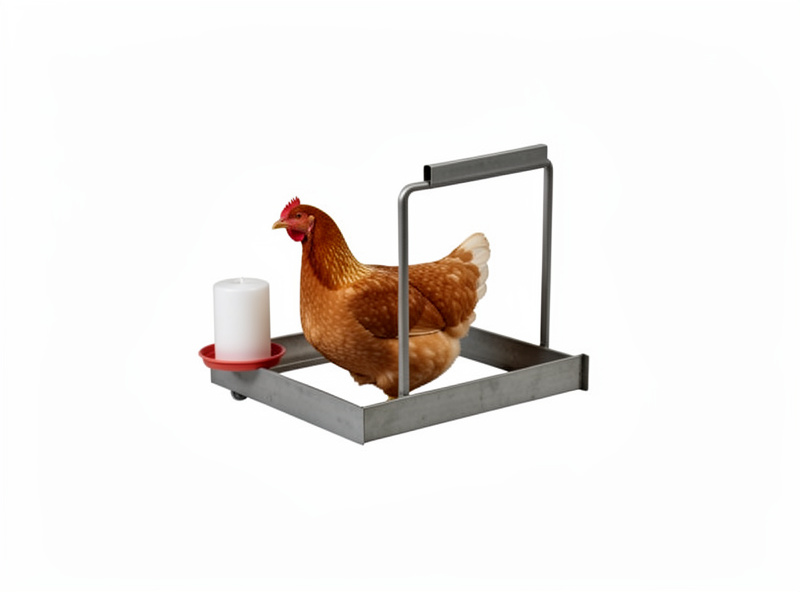
There are three tools keepers reach for to buy time while they fix the real cause: hen saddles (also called aprons), anti-peck sprays, and pinless peepers or blinders. All three can reduce damage in the short term, but none of them addresses why the picking started — and used as a substitute for the actual fix, they just hide the problem until it resurfaces on another bird.
A hen saddle is a cloth back-protector that covers the most-targeted area on an over-picked or over-mated hen; it’s genuinely useful while feathers regrow, and I’d use one without hesitation on a hen with a bare, exposed back. Anti-peck sprays taste foul and can break a mild habit on a specific target, though determined pickers often ignore them. Pinless peepers — small plastic blinders clipped to the beak that block forward vision — are a more drastic measure that some keepers swear by for entrenched flocks and others consider stressful; I treat them as a last resort, not a first move. The rule for all three is the same: deploy them to protect a bird right now if you must, but treat them as a clock running while you fix the space, the boredom, the protein, or the light that caused the picking in the first place. A tool that masks the symptom while the cause persists is how a one-bird problem becomes a flock-wide one.
Catching It Early on the Camera
The earlier you catch feather picking, the cheaper it is to fix, and a coop camera is the best early-warning tool I have. A bald patch starting on one hen’s back or vent is visible on the feed days before it becomes a wound, and a hen who’s started isolating herself — standing apart, hanging back from the feeder — is often the bird about to be targeted or the one already being picked.
What I scan for on the feed: a single bird being repeatedly chased off resources, a hen who roosts apart or won’t come down to feed, and any patch of missing feathers catching the light. None of that is a diagnosis — it’s a cue to go out, catch the bird, and look closely. A patch of feather loss can be picking, a hard molt, or a mite load, and the three need different responses, which is why I cross-check anything suspicious against the parasite signs in the mites and lice guide before assuming behavior. Spotting the trend a few days early routinely turns what would have been a bloody, flock-wide mess into a quiet adjustment of space or feed. That’s the whole argument for monitoring: not to automate the fix, but to point your attention at the right bird before a small problem escalates.
Bullying Cause-and-Fix Reference
The five common drivers of feather picking mapped to the fix that actually addresses each one.
| Stressor | Tell-Tale Sign | The Real Fix |
|---|---|---|
| Overcrowding | Whole flock pecking, no escape routes | More space or fewer birds (4 sq ft coop, 10 sq ft run each) |
| Boredom | Bare run, listless flock, target switches | Dust bath, perches, hung greens, scratch in litter |
| Low protein | Feather eating, often during molt | 16-18% layer feed, fewer treats, temporary protein bump |
| Too much/bright light | Agitated flock, picking worst when lit | Dim or shorten lighting, especially winter supplements |
| A bird stands out | One target: new, injured, odd-colored | Remove blood from sight, integrate properly, separate to heal |
Preventing Bullying Before It Starts
Every cure above is cheaper as prevention. A flock built with genuine space, multiple resource stations, real enrichment, a proper protein ration, and sensible lighting almost never develops feather picking in the first place — the conditions that drive it simply aren’t there.
If I were setting up to avoid this entirely, I’d front-load three things: build for more birds than I think I’ll keep (chicken math is real, and the coop built for 6 ends up holding 10), make enrichment standard equipment rather than an afterthought, and choose calm breeds that handle confinement well. Bullying is one of the most preventable problems in chicken keeping and one of the hardest to cure once it’s an entrenched habit, which is exactly why the smart money is on designing it out. As with the rest of flock management, the behavior is a signal — and a well-designed coop sends very few distress signals at all.
Related Reading
Related Guides
Backyard Chicken Noise and Neighbors: Keeping the Peace
Backyard chicken noise is manageable for hens and a genuine problem for roosters — that distinction is the whole story.…
Free Range vs Confined Chickens: Which Is Right?
Free-range versus confined isn’t a question of which is “better” — it’s a trade between forage, behavior, and predator risk,…
Rooster Management: Do You Need One and How to Keep It
Rooster management starts with a decision most backyard keepers get to skip: you don’t need a rooster for hens to…