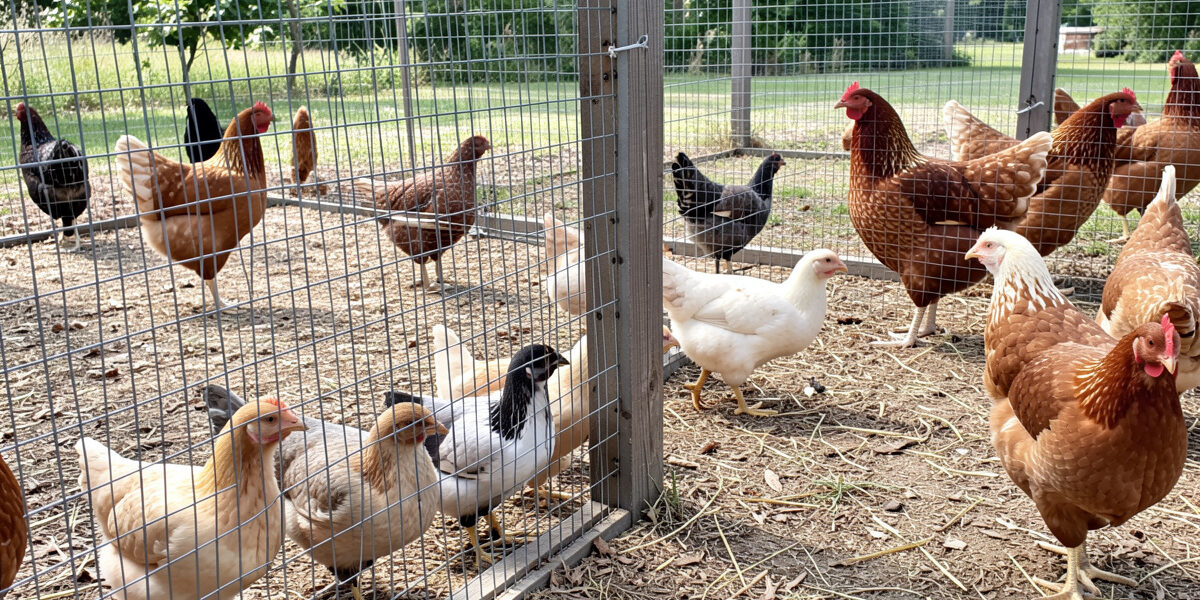
You never just tip young birds into an established flock — chickens enforce a strict pecking order and a sudden introduction gets juveniles badly hurt or killed. The proven approach is gradual: let the two groups live side by side where they can see but not touch for a week or two, then allow short supervised mixings with plenty of space and escape routes. I’ve integrated batch after batch into a running flock through this method, and the rule that has never failed me is patience plus space. Rush either and you’ll lose a bird.
Integration is the single most dangerous transition in a young chicken’s life — more dangerous than the brooder, more than the move outdoors. It’s also entirely manageable once you understand what the birds are actually negotiating, which is rank. Here’s the timeline and the setup that keeps it bloodless.
As an Amazon Associate I earn from qualifying purchases. The husbandry gear linked below is equipment I’d use myself; it costs you nothing extra.
Why You Can’t Rush It
A flock is a stable social structure, and every bird knows its place in it. Newcomers are an unknown, and the established birds will test them — that testing is normal pecking-order behavior, but on a young bird that can’t defend itself or escape, normal testing turns into serious injury fast. Add that adult hens vastly outsize a half-grown pullet and you have a genuine danger, not just drama.
The other reason to wait is age and size. Don’t attempt integration until the young birds are well-feathered, robust, and ideally close to the size of the adults — generally not before about eight weeks at the very earliest, and many keepers wait until the pullets are noticeably bigger. A tiny chick thrown in with full-grown hens is a victim waiting to happen. Size parity isn’t everything, but it tilts the odds toward survival while the birds sort out rank.
The Look-But-Don’t-Touch Phase
The cornerstone of safe integration is letting the groups live adjacent but separated for a week or two before they ever share space. In practice this means a section of the run or coop divided with hardware-cloth panel so the birds can see, hear, and smell each other but can’t make contact. They get used to each other’s presence with no possibility of injury, and a lot of the aggression burns off harmlessly through the barrier.
This stage does the heavy lifting. By the time the barrier comes down, the two groups are familiar rather than shocked by each other, and the violence of a cold introduction is largely defused. Don’t shortcut it — a couple of weeks of see-but-don’t-touch is the difference between a tense afternoon and a vet bill. If your coop and run aren’t laid out to allow a temporary divide, this is worth solving before you ever bring young birds home.
The First Mixing: Space and Escape Routes
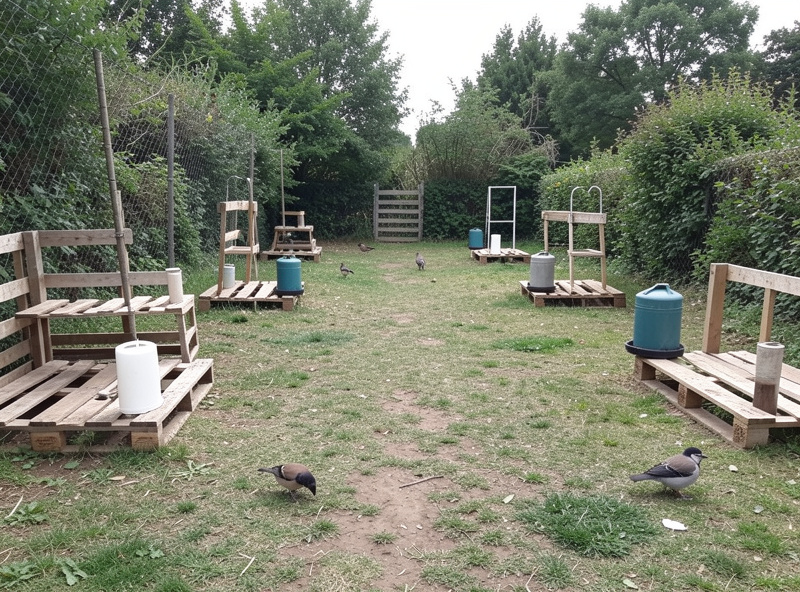
When you do let them mingle, the watchwords are space and escape. Mix on as much ground as you can — free-range or the largest run available — because crowding forces confrontation, while space lets a bullied bird simply walk away. Provide multiple feeders and waterers spread far apart so a dominant hen can’t guard the only food and starve the newcomers, and add visual barriers and hideouts — pallets leaned against a wall, a few shrubs, a low platform — so a chased pullet can break line of sight and reset.
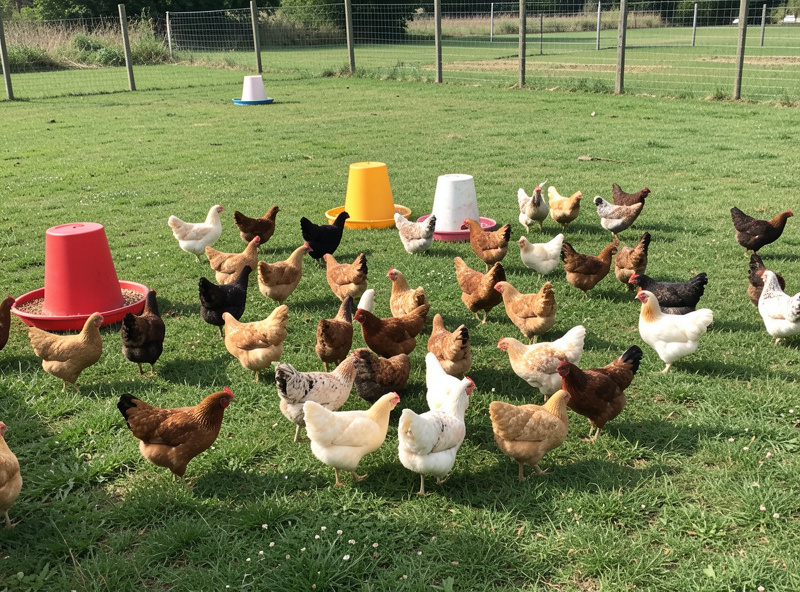
Supervise the early sessions. Some chasing and pecking is normal and necessary — they have to establish rank — and you should let minor squabbling play out rather than rescuing at every peck. What you intervene on is blood: a bird that’s drawing blood or relentlessly cornering another needs separating, because chickens are drawn to blood and a wounded bird can be ganged up on. Short first sessions, lengthening as things settle, work better than one long stressful free-for-all.
A Realistic Integration Timeline
| Phase | Roughly when | What happens |
|---|---|---|
| Grow out separately | Until ~8+ weeks / near adult size | Young birds get robust enough to handle the flock |
| See but don’t touch | 1–2 weeks | Barrier between groups; familiarity builds, aggression burns off |
| Supervised mixing | Several days to a week | Short sessions on open ground with escape routes; watch for blood |
| Full integration | When squabbling settles | Birds share coop and roost; new pecking order stable |
The roosting transition is its own small hurdle. Young birds often get bullied off the roost at first and may pile in a corner; that usually resolves, but make sure the corner isn’t a place they’ll smother or chill, and ensure there’s enough roost space for everyone so the conflict has a solution. A coop sized with honest square-footage math matters here — overcrowding is what turns normal rank-sorting into sustained bullying.
The Mistakes That Cause Bloodshed
Almost every integration that goes badly traces to one of a handful of avoidable errors. The first is rushing the separation phase — skipping or shortening the see-but-don’t-touch week because the birds “seem fine.” They aren’t fine yet; the calm is just the barrier doing its job. The second is too little space: trying to integrate in a cramped run forces the confrontation a bigger space would let the birds avoid, and crowding is the number-one driver of bullying that won’t stop.
The third is a single feed and water station, which lets a dominant hen control the resource and keep newcomers from eating and drinking — a slow, invisible way to harm them even without obvious violence. The fourth is integrating birds of very different sizes, where a half-grown pullet simply can’t withstand an adult hen’s pecking. And the fifth is the opposite of rushing: over-rescuing, pulling birds apart at every peck so the pecking order never actually gets established, which just prolongs the tension. The skill is distinguishing necessary rank-sorting from genuine danger, and the dividing line is blood and entrapment.
One trick experienced keepers use is introducing young birds at night, slipping them onto the roost in the dark so the flock wakes to their presence as if they’d always been there. It’s not magic — you still need the separation phase and the space — but it can take some heat out of the first morning. Whatever the method, the principle holds: make it gradual, make it spacious, and intervene only on real harm.
Where Integration Fits
Integration is the last step in raising a brood into your laying flock — the payoff after the brooder, the feed stages, and the grow-out. The whole sequence is in the complete chick and pullet care guide. It also leans on the rest of the coop being right: enough space, predator-proof hardware cloth on every opening, and the nesting boxes the new layers will soon need. Get the integration right and you’ve turned a box of fluffballs into a single, settled flock.
Frequently Asked Questions
How do you introduce young chickens to an existing flock?
Gradually. Grow the young birds until they are well-feathered and near adult size, then house them next to the flock behind a barrier for one to two weeks so they can see but not touch. Follow with short supervised mixings on open ground with multiple feeders and escape routes, and only let them share the coop once squabbling settles.
At what age can chicks join the main flock?
Not before about eight weeks at the very earliest, and many keepers wait until the young birds are well-feathered and close to the size of the adults. A small or weak bird thrown in with full-grown hens is at serious risk, so size parity and robustness matter more than hitting any exact age.
Will older hens hurt new chicks?
They can, which is why direct introductions are dangerous. Adult hens enforce the pecking order and will test newcomers, and on an undersized or unprotected young bird that testing can cause serious injury. The see-but-don’t-touch method plus a spacious, escape-friendly first mixing keeps the normal rank-sorting from turning harmful.
How long does flock integration take?
Plan on a few weeks overall: one to two weeks of see-but-don’t-touch, then several days to a week of supervised mixing, then full integration once the birds stop serious squabbling. Some flocks settle faster, but rushing the early separation phase is the most common way integrations go wrong.
When should I step in during integration fights?
Let minor pecking and chasing happen — the birds must establish rank. Step in when there is blood or a bird is relentlessly cornered and unable to escape, because chickens are drawn to blood and a wounded bird can be ganged up on. Separate the injured bird, let it heal, and reintroduce it carefully.
Do I need to integrate chicks at all if I raise a whole new flock?
No. If your young birds will be the entire flock with no established adults, there is no pecking order to negotiate and no integration step — you simply move them to the coop once they are feathered. Integration only applies when you are adding young birds to an existing group of older hens.
Related Guides
- Raising Baby Chicks: The Complete Chick and Pullet Care Guide — the full arc from day-old to laying hen.
- Chicken Coop Size Guide — space is the foundation of a peaceful integration.
- Chick Feed Stages — what the young birds eat before and after they join the flock.
Related Guides
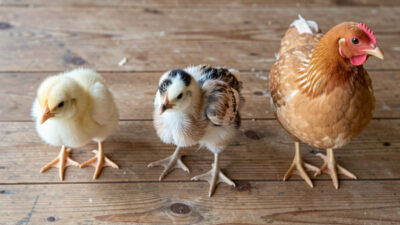
Chick Growth Timeline: From Day-Old to Point of Lay
A chick goes from a fragile day-old fluffball to a laying hen in roughly five months, passing through four recognizable…
Common Chick Problems: Signs, Prevention, and When to Get Help
Almost every common chick problem is an environment problem first — chilling, damp bedding, crowding, or dehydration — which is…
How to Sex Chicks: What Actually Works (and What Does Not)
For a backyard keeper, the only reliable way to know a chick’s sex at hatch is to buy auto-sexing or…