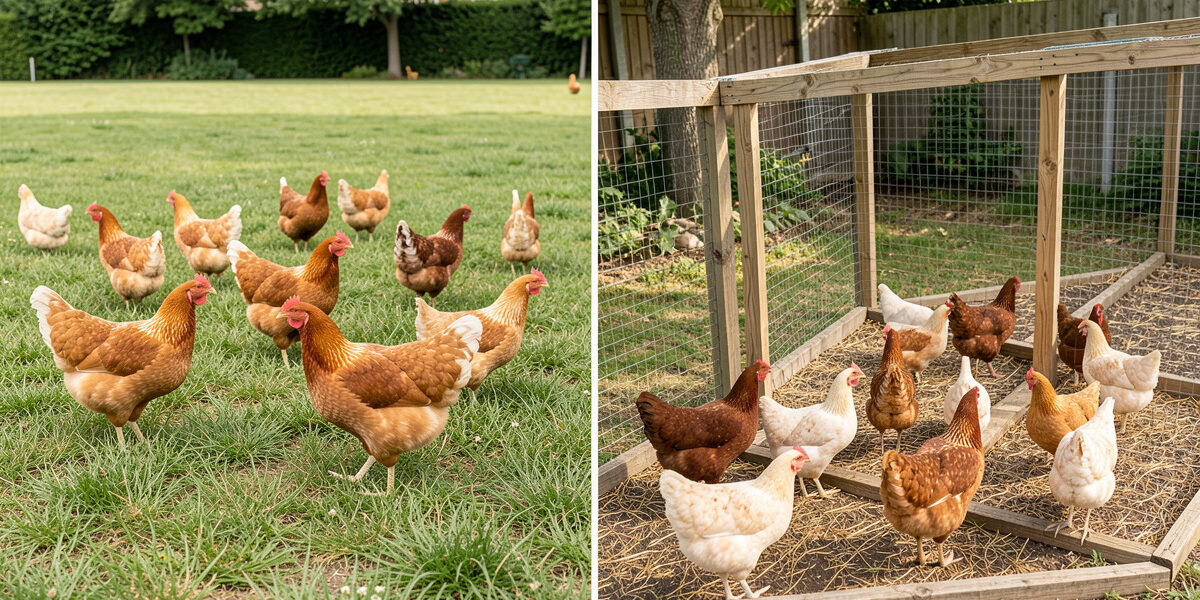
Free-range versus confined isn’t a question of which is “better” — it’s a trade between forage, behavior, and predator risk, and the right answer depends entirely on your land, your predators, and how much time you can supervise. Free-range birds get more exercise, a more varied diet, and fewer boredom-driven vices, but they’re exposed to hawks, foxes, and the neighbor’s dog. Confined birds are far safer but need engineered space — a minimum of 10 square feet of run per bird — and enrichment to stay sane.
I’ve kept a flock both ways across the years, and the conclusion I keep coming back to is that the two extremes are rarely the right answer for a backyard keeper. Full free-range maximizes welfare and minimizes safety; full tight confinement does the reverse. The setup most people actually want sits in between, and getting there means understanding what each end genuinely costs. This is the management-style decision inside the broader flock management guide, and whichever way you lean, the predator math drives the build more than anything else.
What Free-Range Actually Means
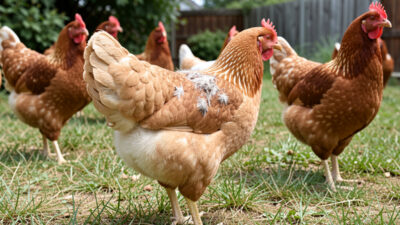
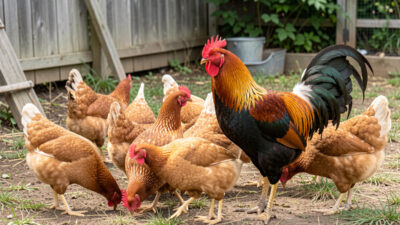
Free-ranging means the flock has access to open ground — a yard, pasture, or paddock — to forage, dust bathe, and roam beyond a fixed run. True free-range birds spend their days working the ground for insects, seeds, and greens, which is exactly the behavior chickens are built for and the reason free-ranged flocks rarely develop feather picking and boredom vices.
The upside is real and goes beyond welfare warm-feelings. Foraging birds supplement their diet (modestly cutting feed costs in good seasons), get far more exercise, and express natural behavior that keeps them mentally settled — a free-range flock is a calm flock. But “free-range” in practice covers a huge spectrum, from birds loose on acres of pasture to a suburban flock let into a fenced backyard for a supervised hour before dusk. The welfare benefits scale with genuine space and forage; a “free-range” bird turned out into a bare, picked-over lawn isn’t getting much that a good enriched run wouldn’t also provide. The honest framing is that free-ranging trades safety for behavior, and how good that trade is depends on the quality of the range.
The Real Cost of Free-Ranging: Predators
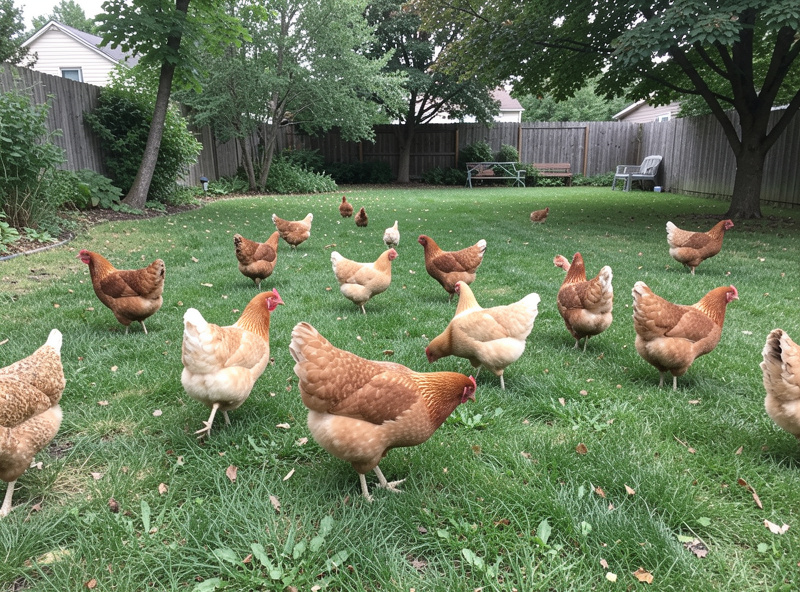
The price of free-ranging is exposure, and it’s paid in birds. A free-range flock is reachable by aerial predators (hawks, owls), ground predators (foxes, coyotes, raccoons, mustelids), and the single most common backyard chicken killer of all — loose dogs. An unsupervised free-range flock will, statistically, lose birds; the only questions are how often and to what.
This is the part starter-kit content glosses over. A secure coop and run protect a flock around the clock; open ground protects them not at all, and a daylight hawk strike or an afternoon dog attack can take birds in minutes while you’re at work. Some keepers accept a low steady loss rate as the cost of a higher-welfare life for the flock, which is a legitimate choice on the right property. But it has to be a choice you make with eyes open, not a surprise. The predators don’t care how nice your hens’ lives are, and the predator-proof coop remains non-negotiable regardless of your day-range policy — because the flock still needs a fortress to lock into at night. Aerial threats specifically are covered in hawk protection, and electric fencing is the single best tool for extending protection into a range area.
What Confinement Done Right Looks Like
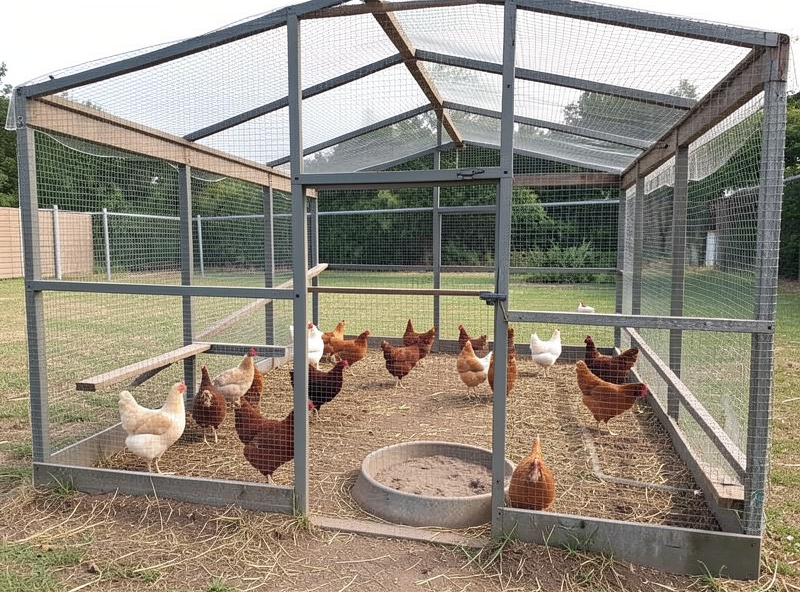
Confinement done right is not a cramped box — it’s a secure, generously sized, enriched run that gives birds a safe space to express most natural behaviors. The baseline is at least 10 square feet of run per bird (more is always better), with hardware-cloth construction, a covered top against aerial predators, and enrichment to replace what foraging would otherwise provide. As an Amazon Associate I earn from qualifying purchases.
The reason confinement gets a bad name is that it’s so often done badly — too small, bare, and boring, which is exactly the recipe for feather picking and bullying. But a well-built run flips that: 15 or 20 square feet per bird, a permanent dust bath, varied-height perches, a hung green or a forage block, and deep litter the birds can dig through turns confinement into a safe, busy, low-stress environment. My own default is a secure hardware-cloth run as the flock’s home base, sized well above the minimum, precisely because it protects the flock 24/7 without my supervision while still keeping them occupied. Confinement isn’t the welfare compromise people assume — undersized, unenriched confinement is. The space and the enrichment are what separate the two, the same variables that drive the whole pecking order toward calm or conflict.
The Hybrid Approach Most Keepers Want
The setup that captures most of the upside of both is a hybrid: a secure, enriched run as the flock’s full-time safe base, plus supervised free-ranging or a rotated, fenced paddock when you’re around to watch the sky. The birds get foraging and exercise on your terms, and they’re locked into a fortress the rest of the time.
In practice this looks like letting the flock out into the wider yard for the last hour or two before dusk when you’re home (they’ll put themselves to bed), or running a portable electric-poultry-netting paddock you move every few days so the birds get fresh forage without permanent exposure. The rotation also spares your ground — a stationary free-range flock destroys a lawn and concentrates parasites, while a moved paddock or a chicken tractor keeps grass alive and breaks parasite cycles. This is the approach I run, and it’s the one I recommend to most backyard keepers. On my own ground I move the netting paddock every three or four days before the birds have a chance to scalp a patch down to bare dirt, and I time the supervised yard sessions for the hour before dusk specifically because that’s when the birds drift back toward the coop on their own and a hawk has the least daylight left to work in. The principle is simple: the safety of confinement as the default, the behavioral benefits of ranging as a supervised supplement. You’re not choosing between welfare and safety — you’re scheduling both.
Free-Range vs Confined at a Glance
The trade-offs side by side, plus where the hybrid middle ground lands on each.
| Factor | Free-Range | Confined (done well) | Hybrid |
|---|---|---|---|
| Predator safety | Low (exposed) | High (24/7 secure) | High base, managed range |
| Natural behavior | Excellent | Good with enrichment | Excellent |
| Feed cost | Slightly lower in season | Full feed | Slightly lower |
| Ground/lawn impact | High (destroys turf) | Contained | Low with rotation |
| Supervision needed | High for safety | Minimal | Only while ranging |
| Best for | Large secure properties | Suburban/predator-heavy lots | Most backyard keepers |
Choosing the Right Style for Your Situation
Match the style to your reality, not your ideal. If you have acreage, low predator pressure, and time to supervise, free-ranging delivers the best welfare. If you’re on a suburban lot, have hawks or loose dogs around, or you’re away during the day, a large enriched run is the responsible default. For nearly everyone in between, the hybrid wins.
The honest test is this: would you be comfortable with the flock loose and unsupervised for a full work day? If yes, free-range suits your property. If the thought makes you wince — because there’s a hawk that works your treeline or a dog two doors down — then your default needs to be secure confinement, with ranging as a supervised treat. There’s no shame in a confined flock; a safe, enriched, well-sized run is a far better life than a free-range one that ends in a fox. The best management style is the one that keeps your specific flock both safe and busy on your specific land, which is the through-line of every flock decision you’ll make.
Frequently Asked Questions
Is free-ranging better for chickens than a run?
Free-ranging offers better natural behavior and exercise, but at the cost of predator exposure. A large, enriched run done well provides most of the welfare benefits with far more safety, which is why a hybrid of secure run plus supervised ranging suits most keepers.
How much space do confined chickens need?
Plan for a minimum of 10 square feet of run per bird, though 15 to 20 is much better. Below that, confinement drives feather picking and bullying. Generous space plus enrichment is what makes a confined flock calm and healthy.
What is the biggest danger of free-ranging chickens?
Predators. Free-range flocks are exposed to hawks, foxes, raccoons, and especially loose dogs, the most common backyard chicken killer. An unsupervised free-range flock will eventually lose birds, which is why a secure coop to lock into at night is non-negotiable.
Can I free-range chickens only part of the day?
Yes, and it is the approach most keepers should use. Letting the flock out for a supervised hour or two before dusk, or rotating a fenced electric-netting paddock, gives foraging and exercise while keeping a secure run as the full-time safe base.
Do free-range chickens destroy a lawn?
A stationary free-range flock will quickly tear up turf and concentrate droppings and parasites in one area. Rotating the birds with a movable paddock or chicken tractor keeps grass alive, spreads fertility, and breaks parasite cycles.
Keep Building Your Setup
Related Guides
Backyard Chicken Noise and Neighbors: Keeping the Peace
Backyard chicken noise is manageable for hens and a genuine problem for roosters — that distinction is the whole story.…
Chicken Bullying and Feather Picking: Causes and Fixes
Bullying and feather picking are behavior problems, not a flock’s nature, and they almost always trace to a specific stressor:…
Rooster Management: Do You Need One and How to Keep It
Rooster management starts with a decision most backyard keepers get to skip: you don’t need a rooster for hens to…