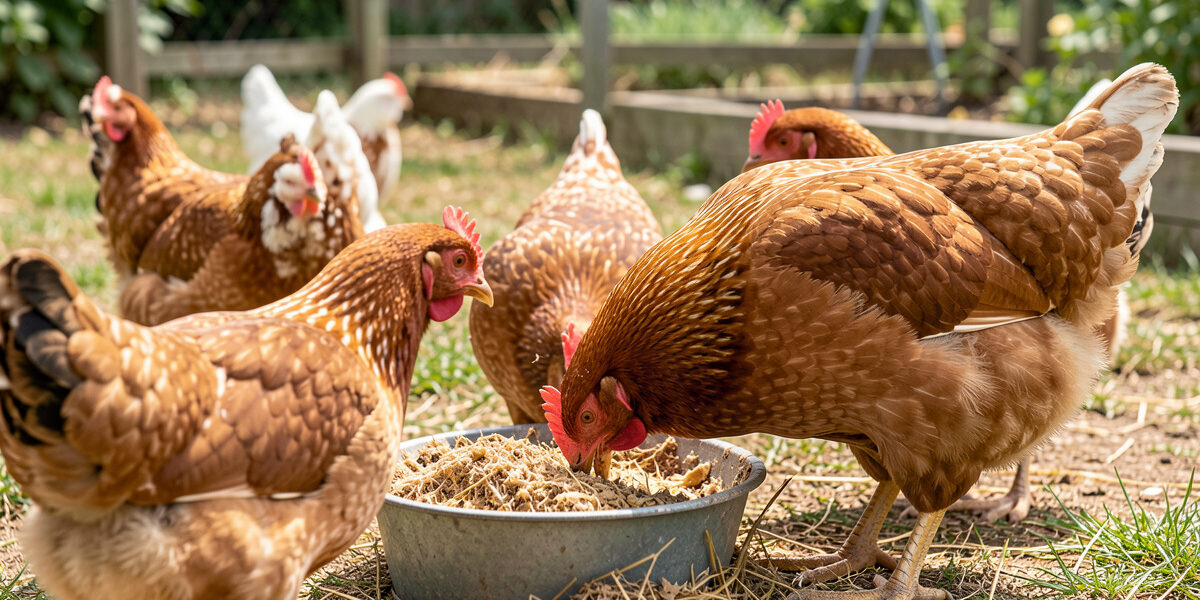
The chicken pecking order is a flock’s linear dominance hierarchy — a literal ranking from the top hen down to the bottom bird that decides who eats first, roosts highest, and dust bathes when. It forms as early as 6 weeks of age and, once settled, it’s what keeps a flock calm: when every bird knows its rank, the fighting mostly stops.
That last point trips up almost everyone new to chickens. You watch hens chase and peck each other in the first weeks and assume you have a cruelty problem to fix. You don’t — you have a hierarchy forming, and interrupting it usually makes things worse. The skill in flock management is telling the difference between normal rank-sorting (leave it alone) and a hierarchy that’s broken down into genuine bullying (intervene on the cause). I’ve run mixed cold-hardy flocks long enough to know that the keepers who get this wrong spend their first year fighting symptoms; the ones who get it right design the coop so rank can be expressed without injury. This is the keystone piece for the whole flock management guide.
What Is the Pecking Order?
The pecking order is the social ranking that determines access priority to every resource in the flock: food, water, the best roost spot, the dust bath, and nesting boxes. The dominant hen at the top has first claim on everything; the bird at the bottom waits her turn or gets pecked away. The term comes literally from how rank is enforced — by pecking.
It’s a linear hierarchy, meaning it generally runs A-over-B-over-C rather than a free-for-all, though in larger flocks you’ll see loops and sub-groups. The order isn’t just about aggression — body size, age, comb size, breed temperament, and even how long a bird has been in the flock all feed into rank. Calmer dual-purpose cold-hardy breeds tend to sort rank with less drama than flightier light breeds, which is one more reason temperament matters when you choose a flock. In my run, the established older Wyandottes consistently outrank younger point-of-lay pullets regardless of size, simply because they were there first and have the social capital. Understanding that rank is multi-factored, not just “biggest bird wins,” is what lets you predict and manage it.
How and When the Pecking Order Forms
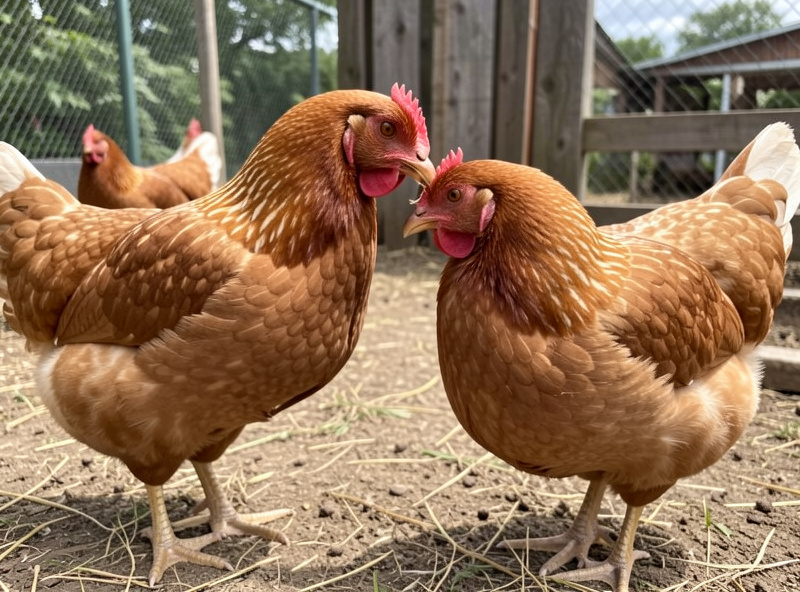
Chicks begin establishing rank around 6 weeks of age, sparring and chest-bumping in the brooder long before they look like adults. The hierarchy firms up as they mature and is usually settled by the time a flock reaches point of lay, around 18 to 22 weeks. After that, in a stable flock, it stays largely fixed until something disrupts it.
The forming phase looks alarming and mostly isn’t. Young birds chase, peck, and posture to test each other; it’s how they sort rank without anyone getting hurt. What you’re watching for is escalation past normal sparring — drawn blood, a bird that can’t reach food or water, a bird hiding constantly and losing condition. Those are signs the layout is forcing conflict, not that the birds are simply ranking each other. I raise my chicks with plenty of brooder space and multiple feed stations precisely so the rank-sorting happens without a victim, the same principle covered in integrating chicks into the flock.
Signs of a Healthy vs Broken Pecking Order
A healthy pecking order is quiet. Birds defer to higher-ranked hens with a quick step-aside, the dusk roost-up is orderly within a few minutes, and every bird gets fed and watered. A broken one is loud and injurious: constant chasing, a bird pecked off the roost nightly, bald patches from feather pulling, or a hen who hides and stops eating.
The single most useful diagnostic I use is the dusk roost-up, which I watch on the coop camera. In a settled flock, birds file onto the roost in a loose, repeatable order and settle fast. When the hierarchy is contested — or, more often, when the roost bar is simply too short — you see milling, squawking, and a low bird getting knocked off the bar over and over. Three nights of that pattern and I add roost length (8 to 12 inches per bird) before assuming a behavior problem. Nine times out of ten the milling stops, which tells you the issue was geometry, not temperament. That’s the core lesson: a “broken” pecking order is usually a resource bottleneck wearing a behavior costume.
What Disrupts the Pecking Order
Four things reliably re-open a settled pecking order: adding a new bird, removing a bird (the rank above and below it must re-sort), a bird falling sick and dropping in rank, and a layout change that creates a new bottleneck. Any of these can turn a calm flock loud for days while the order re-stabilizes.
Adding birds is the big one, which is why introducing new chickens to the flock deserves its own careful method — you’re forcing a hierarchy rewrite, and doing it wrong gets birds hurt. But the subtler disruptor is the bottleneck you create without realizing it: a single feeder a dominant hen can guard, a waterer in a corner with no escape route, one favored nesting box. Each of those forces low-rank birds to challenge for access they’d otherwise get peacefully. I run multiple feed and water stations spread around the run specifically so no single bird can monopolize a resource and trigger a fight. Remove the bottleneck and the “aggression” usually evaporates.
How to Manage the Pecking Order in Your Coop
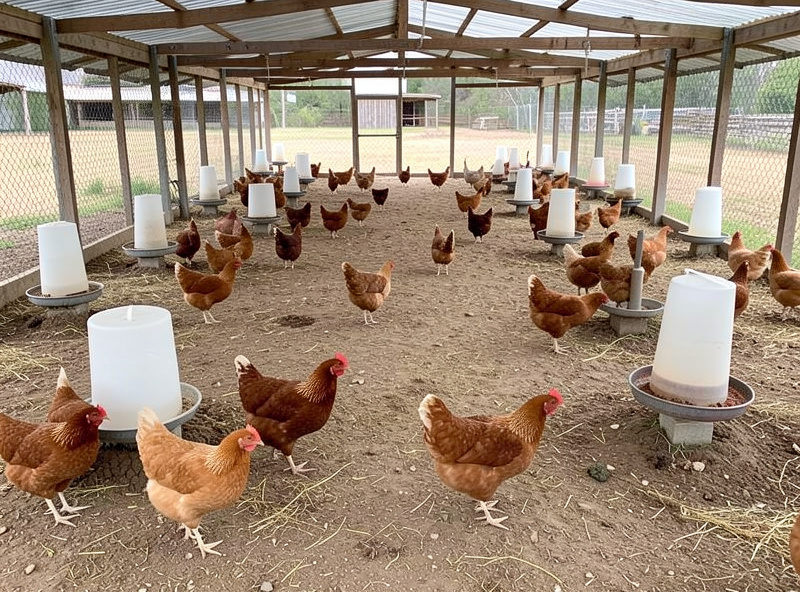
You don’t control the pecking order — you design the space so it can run without injury. The four levers that matter most are space, resource redundancy, roost length, and line-of-sight breaks. Get those right and a flock sorts its own rank peacefully; get them wrong and you’ll be refereeing fights all year.
Concretely: give each bird at least 4 square feet of coop and 10 square feet of run; provide multiple feeders and waterers so a dominant hen can’t guard them all; supply 8 to 12 inches of roost bar per bird so the bottom hen has somewhere to perch; and add visual barriers — a pallet leaned against the run wall, a stack of logs, a shrub — so a chased bird can break line of sight and the chase ends. Enrichment matters too: a bored flock invents pecking targets, so a dust bath, varied perches, and a hung green keep birds busy with something other than each other. When a real bully emerges — a bird drawing blood, not just enforcing rank — a few days of separation often resets her behavior. Persistent blood-drawing is the rare case for rehoming, and it overlaps with the bullying and feather-picking problem, which has its own full diagnostic later in this cluster.
Pecking Order Quick-Reference
How to read the most common pecking-order behaviors and respond to the cause rather than the symptom.
| What You See | What It Usually Means | What To Do |
|---|---|---|
| Chasing and pecking in young birds | Normal rank-sorting | Leave it; ensure space and resources |
| One hen always last to food | Normal low rank, no injury | Monitor only; add feed stations if she’s thin |
| Bird pecked off roost at dusk | Roost bar too short | Add roost length (8-12 in/bird) |
| Bald patch on back or vent | Feather picking, often overcrowding | Add space, protein, enrichment |
| Blood drawn on a bird | Escalation toward cannibalism | Separate aggressor, treat wound, see avian vet |
| Sudden flock-wide fighting | Order disrupted (new/lost/sick bird) | Find the trigger; restore resources |
When to Worry and When to Step Back
The hardest skill is knowing when to do nothing. Most pecking-order behavior is self-resolving and intervening — pulling the picked-on bird, breaking up every squabble — often prolongs the chaos by preventing rank from settling. The rule I follow: intervene on injury and access, not on dominance displays.
If a bird is drawing blood, can’t reach food or water, or is hiding and losing condition, that’s a welfare issue and you act — separate, treat, and fix the underlying bottleneck. Anything short of that, where birds are simply sorting who outranks whom and everyone is fed and unhurt, is the flock doing its job. Watching a stable hierarchy run is one of the quieter pleasures of keeping chickens, and it’s the foundation every other piece of flock management sits on. Any open wound or a bird that’s genuinely unwell should go to an avian vet — feather loss and lethargy aren’t always behavior.
Frequently Asked Questions
At what age does the pecking order form?
Chicks start establishing rank around 6 weeks of age through sparring and posturing. The hierarchy firms up as they mature and is usually settled by point of lay, around 18 to 22 weeks, then stays stable until disrupted.
Is the pecking order cruel?
No. A settled pecking order actually reduces fighting because every bird knows its rank and defers without conflict. It only becomes a welfare problem when disrupted or when a layout bottleneck forces low-rank birds to fight for resources.
How do I stop a bully chicken?
First fix the cause: add space, multiple feeders and waterers, roost length, and line-of-sight breaks. A bird genuinely drawing blood can be separated for a few days to reset her behavior; persistent blood-drawing is the rare case for rehoming.
Why is one of my hens always last to eat?
She is simply low in the pecking order, which is normal. As long as she is reaching food and water and maintaining condition, no action is needed. If she is thin or blocked from resources, add more feed and water stations.
Does adding a new chicken disrupt the pecking order?
Yes. Adding a bird forces the hierarchy to re-sort, which is why introductions need a gradual see-but-don’t-touch method behind hardware cloth before combining birds. Doing it abruptly causes the most serious pecking-order fighting.
Related Reading
Related Guides
Backyard Chicken Noise and Neighbors: Keeping the Peace
Backyard chicken noise is manageable for hens and a genuine problem for roosters — that distinction is the whole story.…
Free Range vs Confined Chickens: Which Is Right?
Free-range versus confined isn’t a question of which is “better” — it’s a trade between forage, behavior, and predator risk,…
Chicken Bullying and Feather Picking: Causes and Fixes
Bullying and feather picking are behavior problems, not a flock’s nature, and they almost always trace to a specific stressor:…