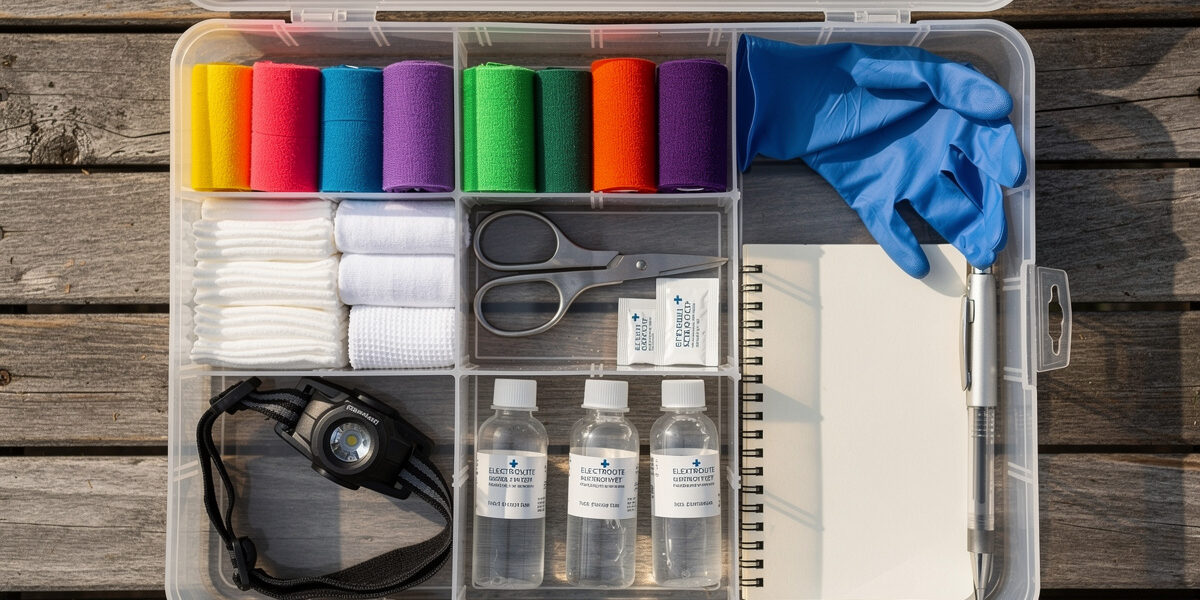
A chicken first-aid kit is for stabilizing and supporting a bird while you arrange real veterinary care — not for treating disease yourself. That distinction is the whole point of this article. A good kit lets you isolate a struggling hen, keep her warm and hydrated, gently clean a minor wound, and buy time to reach an avian vet. What it deliberately does not contain is prescription medication or anything you’d reach for to self-diagnose, because dosing and drug choices belong to a vet who has examined the actual bird.
I keep a deliberately simple kit by the coop, and over years of keeping a cold-hardy flock in Sweden it has earned its place mostly for small things: a scrape that needs cleaning, a bird that needs a warm quiet recovery pen, a stressed hen who’ll take electrolyte water. This is general husbandry guidance, not veterinary advice. For the bigger picture of where first aid fits among the common flock health issues, see my chicken diseases and treatment guide.
What a First-Aid Kit Is Actually For
The honest scope of a backyard first-aid kit is supportive care and stabilization. That means three things: containing a sick or injured bird so it can rest and so you protect the rest of the flock, providing warmth and hydration to a bird under stress, and basic clean-and-cover for minor surface wounds (including the early presentation of bumblefoot, where keeping the footpad clean and dry is within keeper territory before the infection deepens). Everything beyond that — infections, internal problems, anything that needs a diagnosis — is a phone call to a vet.
It helps to think of the kit the way a sensible hiker thinks of theirs: it handles the small stuff and buys you time on the big stuff. Reaching for antibiotics or a wormer “just in case” is exactly the kind of guessing that harms birds and drives drug resistance. So I build the kit around supportive care, keep it tidy and stocked, and pair it with a vet’s number I can actually reach. That combination handles real life on a backyard flock far better than a cabinet full of medications used on hunches.
The Core Kit: What to Stock and Why
A useful kit is small. The items below are the supportive-care basics I’d want on hand before a problem ever shows up, organized by what each one is for. Notice that none of them are medications — they’re tools for restraint, cleaning, warmth, hydration, and observation.
| Item | What it’s for |
|---|---|
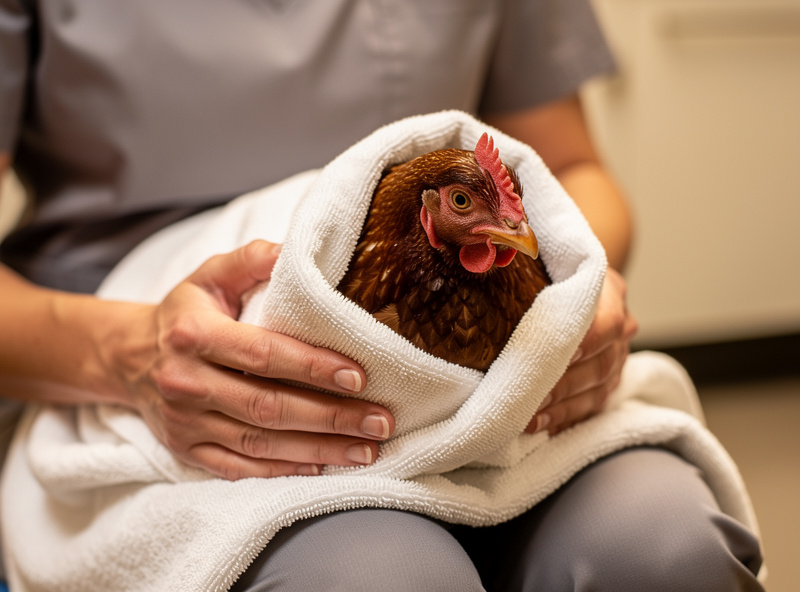
| Clean towels | Gentle restraint and calming a bird for examination |
| Nitrile gloves | Hygiene when handling a sick or injured bird |
| Blunt-tipped scissors | Trimming feathers around a wound safely |
| Gauze and self-adhesive vet wrap | Covering and protecting a minor surface wound |
| Saline solution | Flushing debris from a minor wound or an eye |
| Poultry-safe wound spray | Cleaning the surface of a minor scrape |
| Electrolyte/vitamin powder | Supporting a stressed or dehydrated bird via the water |
| Headlamp | Hands-free close inspection, especially at the vent or feet |
| Notebook | Recording signs and timing to report accurately to a vet |
| Dog crate or isolation pen | A warm, quiet recovery and quarantine space |
That’s genuinely it. A clear tackle box keeps it all visible and grab-able, and the notebook matters more than people expect — accurate notes on what you saw and when are exactly what an avian vet needs to help over the phone.
What Deliberately Stays Out
The most important part of a responsible first-aid kit is what it doesn’t contain. No prescription antibiotics, no wormers kept for blind “preventive” use, no leftover medications repurposed by guess. The dose, the drug, and even whether to treat at all depend on a real diagnosis and the bird’s weight, and getting any of those wrong can do more harm than the original problem. This is the YMYL line every keeper should respect: observe and support, then route treatment to a vet.
This isn’t being precious — it’s how you avoid the common ways keepers accidentally hurt birds. Worming a bird that didn’t need it, dosing the wrong drug for symptoms that looked like one disease but were another, or stacking treatments that interact are all real risks of a self-stocked medicine cabinet. A kit built around supportive care sidesteps all of that and still handles the genuine day-to-day. When something is past your kit’s scope, that’s information, not failure — it tells you it’s time to call.
The Recovery Pen Is the Real MVP
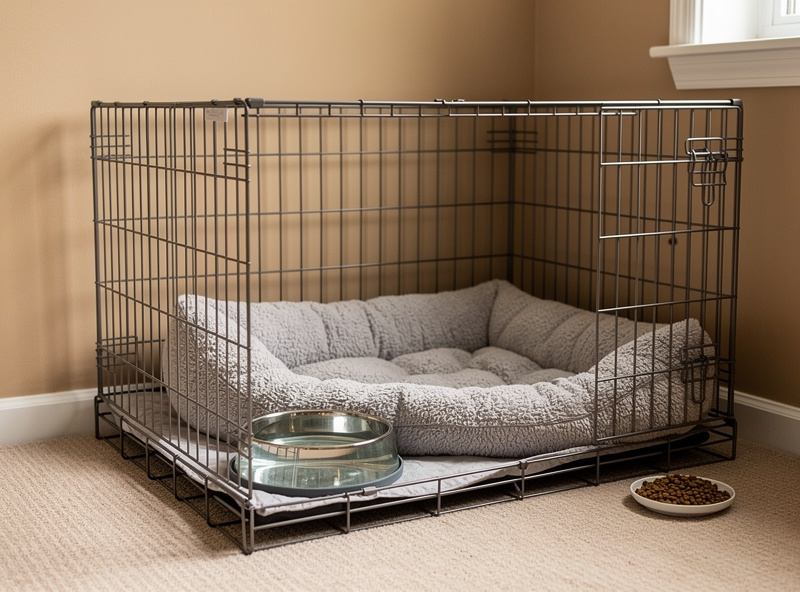
If one item earns its keep, it’s the isolation pen. A wire dog crate with soft bedding, set somewhere warm and quiet, does several jobs at once: it separates an unwell bird from a flock that may bully it, gives it rest, lets you monitor eating, drinking, and droppings closely, and doubles as your quarantine space for new birds. Warmth and quiet are genuinely therapeutic for a stressed bird, and a calm recovery space is something every keeper should be able to set up in minutes. For chicks the warmth source matters as much as the space itself — the chick heat plate vs heat lamp guide compares both options on fire safety and the controllable warmth that helps recovery.
Stock it with a low, easy-to-reach waterer — adding an electrolyte powder can help a stressed or dehydrated bird take more fluids — and a small dish of familiar feed. Keep it clean, keep it draft-free, and care for the bird in it last in your daily round so you’re not carrying anything back to the main flock. Many minor setbacks resolve with nothing more than rest, warmth, and hydration in a good recovery pen, and the ones that don’t are the ones you escalate to a vet.
Knowing When the Kit Isn’t Enough
The skill that makes a first-aid kit safe is knowing its limits. Minor surface scrapes, a bird that needs a quiet warm night, mild stress on a hot day — these are kit territory. But blood in the droppings, open-mouth or labored breathing, sudden paralysis or weakness, a bird that stops eating or drinking, a deep or bleeding wound, or any rapid decline are vet territory, promptly. The kit’s job in those moments is to stabilize and contain while you make the call, not to substitute for it.
Having your avian vet’s contact details in the kit itself is a small thing that pays off in a stressful moment. Build the relationship before you need it, because not every general-practice vet sees poultry. The keeper who can isolate a bird, keep it warm and hydrated, note the signs accurately, and reach a vet quickly has done everything backyard first aid should do — and that’s a flock kept far safer than one relying on guesswork from a medicine cabinet.
A Note on the Gear I Mention
A handful of supportive-care items make a kit practical. As an Amazon Associate I earn from qualifying purchases, at no extra cost to you — and to be clear, these are husbandry and supportive-care supplies, never medications or treatments. The genuinely useful staples are self-adhesive vet wrap and gauze, a poultry electrolyte and vitamin powder for the water, and a wire dog crate that doubles as a recovery and quarantine pen. Anything beyond supportive care belongs to your vet.
Frequently Asked Questions
What should be in a chicken first-aid kit?
Supportive-care items only: clean towels for restraint, nitrile gloves, blunt scissors, gauze and vet wrap, saline, a poultry-safe wound spray, electrolyte powder, a headlamp, a notebook, and an isolation pen. No prescription medications, which belong to a vet.
Should I keep antibiotics in my chicken first-aid kit?
No. Antibiotics and wormers require a diagnosis and correct dosing for the bird’s weight, both of which belong to an avian vet. Keeping and using them on a guess can harm the bird and drive drug resistance. Build the kit around supportive care instead.
What can I do for a sick chicken before the vet?
Isolate the bird in a warm, quiet pen away from the flock, offer clean water with electrolytes, keep it calm, and note the specific signs and their timing. That stabilizing and observing is the right scope for a keeper while you arrange veterinary care.
Why is an isolation pen so important?
A wire dog crate set up as a recovery pen separates an unwell bird from a flock that may bully it, gives it warmth and rest, lets you monitor eating and droppings closely, and doubles as quarantine for new birds. Many minor setbacks resolve with rest alone.
When should I call a vet instead of using the kit?
Call promptly for blood in droppings, labored breathing, sudden paralysis, a bird that stops eating or drinking, a deep wound, or any rapid decline. The kit stabilizes and contains; it never substitutes for veterinary diagnosis on serious signs.
Related Reading
- Chicken Diseases and Treatment: A Keeper Health Guide — the full flock-health overview.
- Chicken Biosecurity Guide — keeping disease out so the kit gets used less.
- Best Chicken Coop Bedding Guide — clean, dry litter for a healthy flock and recovery pen.
- Predator-Proof Chicken Coop Guide — preventing the injuries first aid deals with.
- Automated Feeders & Waterers — reliable food and water keeps birds resilient.
Related Guides
Bumblefoot in Chickens: Signs, Prevention, and Coop Fixes
Bumblefoot is the backyard injury that’s really a coop-design problem wearing a medical disguise. It’s a swollen, sometimes scabbed footpad…
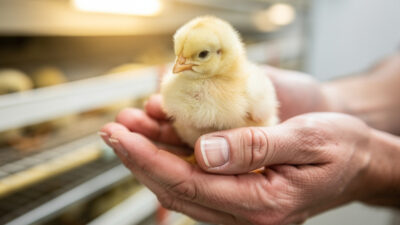
Marek’s Disease in Chickens: Signs, Vaccination, and Prevention
Marek’s disease is the one I most want backyard keepers to understand before they ever buy birds, because it can’t…
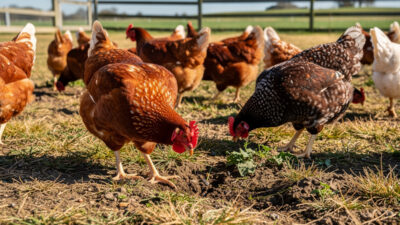
Worming Chickens: Internal Parasites, Signs, and Why to Test First
Worming is the area of chicken keeping where the instinct to “just treat them to be safe” does the most…