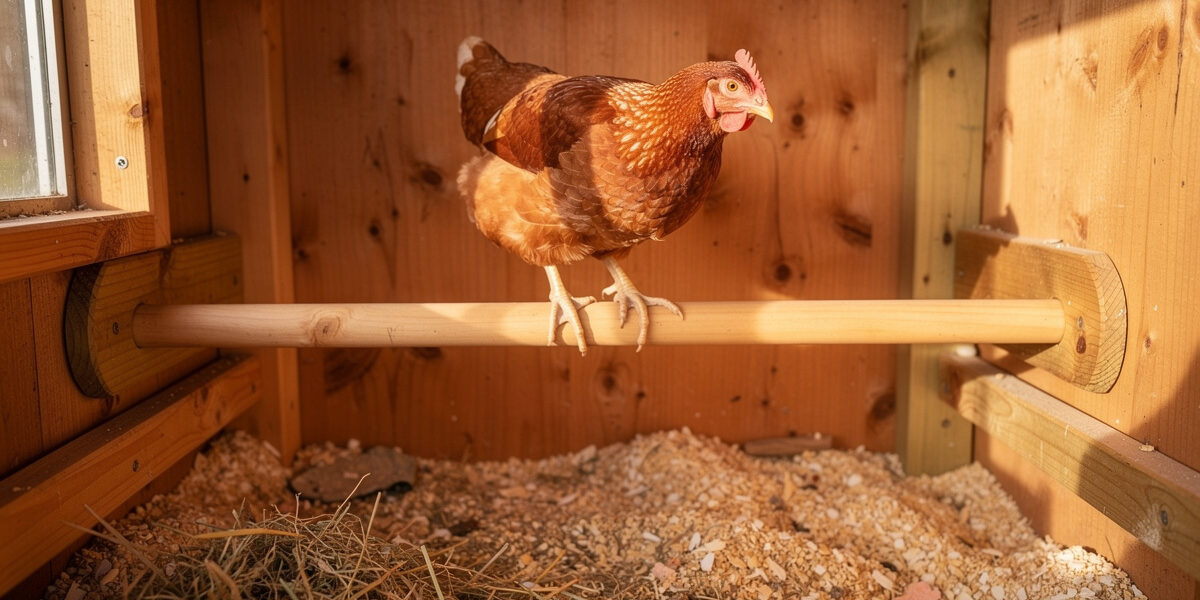
Bumblefoot is the backyard injury that’s really a coop-design problem wearing a medical disguise. It’s a swollen, sometimes scabbed footpad — a pressure sore on the bottom of the foot that gets infected — and the most useful thing I can tell you is that it’s far more preventable than it is treatable at home. The early sign is a bird favoring one foot or a small dark spot on the pad; an advanced case, with significant swelling and infection, needs an avian vet, not kitchen-table surgery. The good news is that almost everything that causes it traces back to roost height, landing surfaces, and litter you control.
I design coops around foot health without thinking of it that way, because the same choices that make a coop comfortable — sensible roost height, wide flat perches, soft clean landing zones — are exactly what prevents bumblefoot. This article is general husbandry guidance, not veterinary advice: I’ll cover the signs and the coop fixes that prevent it, but treating an established, infected case is a veterinary matter. For where this sits in the bigger picture, see my chicken diseases and treatment guide.
What Bumblefoot Actually Is
Bumblefoot starts as a small injury or pressure point on the underside of the foot — a scrape, a bruise from repeated hard landings, a splinter from a rough perch — that lets infection in. The body walls it off, producing the characteristic swelling and often a dark scab on the footpad. Left to progress, it becomes a painful, swollen foot that makes a bird limp and reluctant to move, and an advanced infection can become a serious health problem rather than a localized one.
The reason I frame it as a coop problem is that those initiating injuries are almost always environmental. Heavy birds jumping repeatedly from a too-high roost onto a hard surface bruise their pads; thin or rough perches concentrate pressure on one part of the foot; dirty, damp litter turns a minor scrape into an infected one. Change those conditions and you remove the causes. That’s why prevention here is so satisfying — it’s not about luck, it’s about a few specific, fixable design choices.
Catching It Early
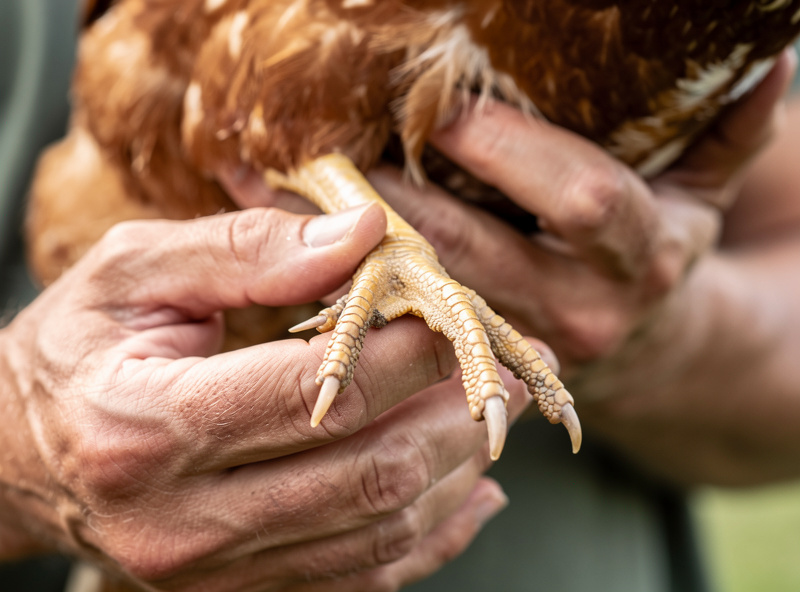
Bumblefoot is much easier to deal with when it’s caught small, which means making the occasional foot check part of your routine. The earliest signs are subtle: a bird favoring one foot, a slight limp, or reluctance to come down off the roost. Pick the bird up and look at the underside of the foot, and you may spot a small dark scab or a shiny, reddened area on the pad before there’s much swelling. At that stage it’s a flag to act on the environment and watch closely.
An advanced case is unmistakable — a noticeably swollen footpad, a prominent dark scab, obvious lameness, and sometimes heat in the foot — and that’s the point where it needs veterinary attention rather than home intervention. I’m deliberately not walking you through any home procedure here, because an infected, established bumblefoot involves decisions about whether and how to intervene that belong with a vet who can see the foot. Your job is early detection, fixing the conditions that caused it, and getting professional help for anything beyond a tiny early spot.
Roost Design: The Biggest Lever
The single most effective bumblefoot prevention is getting the roost right, because hard landings and concentrated foot pressure are the main initiating causes. Two things matter most: height and bar shape. A roost that’s too high forces heavy birds into jarring landings every time they come down, bruising the pads; a sensible height with a soft surface below removes that. And a wide, flat perch spreads a bird’s weight across the whole foot, while a thin round dowel concentrates it on a narrow line — which is why I run wide flat roost bars rather than skinny rods.
| Roost feature | Bumblefoot-friendly (avoid) | Foot-healthy (aim for) |
|---|---|---|
| Height | Very high, hard landing below | Sensible height with soft litter below |
| Bar shape | Thin round dowel or rough edge | Wide flat bar with slightly rounded edges |
| Surface | Rough, splintery wood | Smooth, splinter-free wood |
| Landing zone | Bare hard floor | Deep, soft, clean litter |
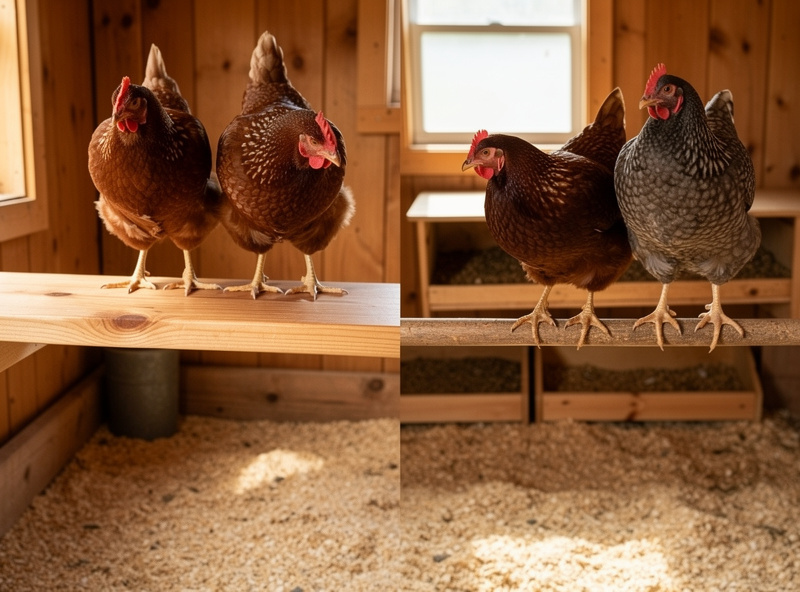
For heavy breeds especially, these choices matter more, because there’s simply more weight landing on those feet. A wide flat board with the edges eased so there’s no sharp corner, mounted at a height that doesn’t demand a hard drop, with deep soft litter underneath, is the foot-health setup. It costs nothing extra to build it right the first time, and it quietly prevents a problem that’s miserable to deal with later.
Clean, Dry Litter Does Double Duty
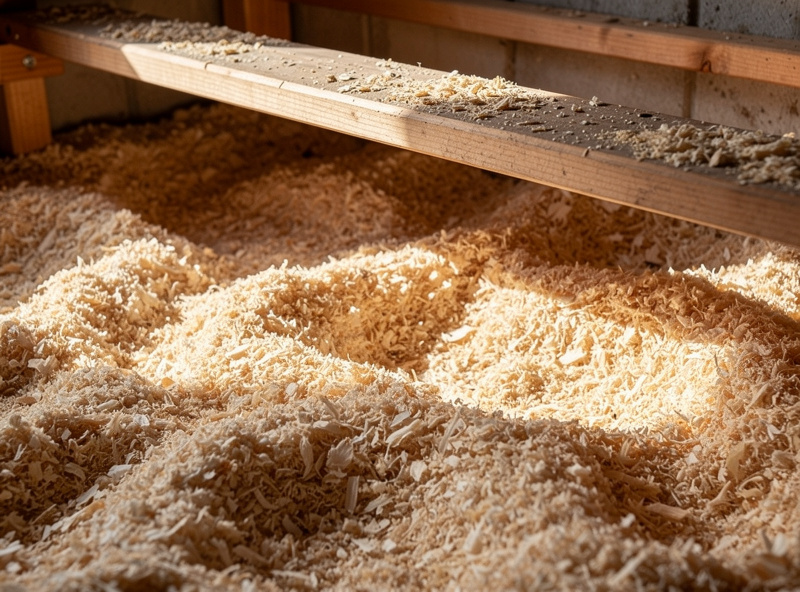
The other half of prevention is the litter, and it does two jobs at once: it cushions landings and it keeps minor scrapes from getting infected. Deep, soft bedding under the roost absorbs the impact of birds coming down, reducing the bruising that starts bumblefoot. And keeping that litter clean and dry means the inevitable small scrapes a foraging chicken picks up don’t sit in damp, dirty conditions where infection takes hold.
This is the same dry-litter discipline that prevents respiratory problems and parasites, which is why I keep coming back to it as foundational flock health — one good habit prevents several different problems. Practically, that means deep enough bedding to actually cushion, turned and topped up before it goes damp and packed, and especially clean in the high-traffic zones under the roost and around feeders. A bird that lands soft and walks on clean ground is a bird whose feet stay healthy, which is exactly the outcome you want.
When It Needs a Vet
An established bumblefoot — swollen, scabbed, and clearly infected — is genuinely a veterinary case, and I’d steer you firmly away from the DIY surgery videos that circulate online. Deciding whether to intervene, how, and how to manage infection and pain in a small bird involves real risks if done wrong, and a vet can assess the severity and choose the right approach. Trying to dig out an infected core at home can introduce worse infection or injure the bird, which is the opposite of helping.
What stays in your hands is everything around the medical side: catching it early through routine foot checks, fixing the roost and litter conditions that caused it so it doesn’t recur, keeping the bird on clean dry bedding, and getting it to a vet for anything beyond a tiny early spot. Once you’ve addressed the environment, you’ve removed the cause for the rest of the flock too — which is the real win, because bumblefoot in one bird often means the coop conditions are setting up the next one.
A Note on the Gear I Mention
A few materials make the foot-healthy coop setup easy to build and maintain. As an Amazon Associate I earn from qualifying purchases, at no extra cost to you — these are husbandry and coop-build items, never medications or treatment protocols. The genuinely useful ones are clean absorbent bedding for a soft, clean landing zone, a poultry-safe wound spray for cleaning a minor surface scrape, and a wire crate to rest a sore-footed bird on clean bedding while you arrange care. Any actual treatment of an infected foot belongs to your vet.
Frequently Asked Questions
What causes bumblefoot in chickens?
Bumblefoot starts when a small injury or pressure point on the footpad gets infected. The usual causes are environmental: hard landings from a too-high roost, thin or rough perches that concentrate pressure, and dirty, damp litter that lets a minor scrape become infected.
How do I prevent bumblefoot?
Fix the roost and litter. Use a sensible roost height with wide, flat, smooth perches that spread weight across the foot, and keep deep, clean, dry litter below to cushion landings and keep scrapes from getting infected. Heavy breeds especially benefit.
What does early bumblefoot look like?
Early signs are subtle: a bird favoring one foot, a slight limp, or a small dark scab or shiny reddened area on the underside of the pad before much swelling appears. Catching it at this stage means acting on the coop conditions and watching closely.
Should I treat bumblefoot at home?
An established, infected bumblefoot is a veterinary case, not a DIY one. Deciding whether and how to intervene in a small bird carries real risks if done wrong. Catch it early, fix the cause, keep the bird on clean bedding, and see a vet for anything beyond a tiny spot.
Why do heavy breeds get bumblefoot more often?
More body weight lands on the feet, so hard landings from a high roost and pressure from thin perches cause more bruising. That’s why roost height, wide flat bars, and soft clean litter matter most for heavier birds when preventing foot injuries.
Related Reading
- Chicken Diseases and Treatment: A Keeper Health Guide — the full flock-health overview.
- Best Chicken Coop Bedding Guide — the soft, clean litter that cushions landings.
- How to Size a Smart Chicken Coop — roost and space planning that protects feet.
- Chicken First-Aid Kit — resting and supporting a sore-footed bird.
- Chicken Biosecurity Guide — clean conditions that keep minor injuries from getting infected.
Related Guides
Marek’s Disease in Chickens: Signs, Vaccination, and Prevention
Marek’s disease is the one I most want backyard keepers to understand before they ever buy birds, because it can’t…
Worming Chickens: Internal Parasites, Signs, and Why to Test First
Worming is the area of chicken keeping where the instinct to “just treat them to be safe” does the most…
Chicken Respiratory Illness: Signs, Prevention, and Ventilation
Respiratory illness is one of the most common reasons a backyard keeper picks up the phone to a vet, and…