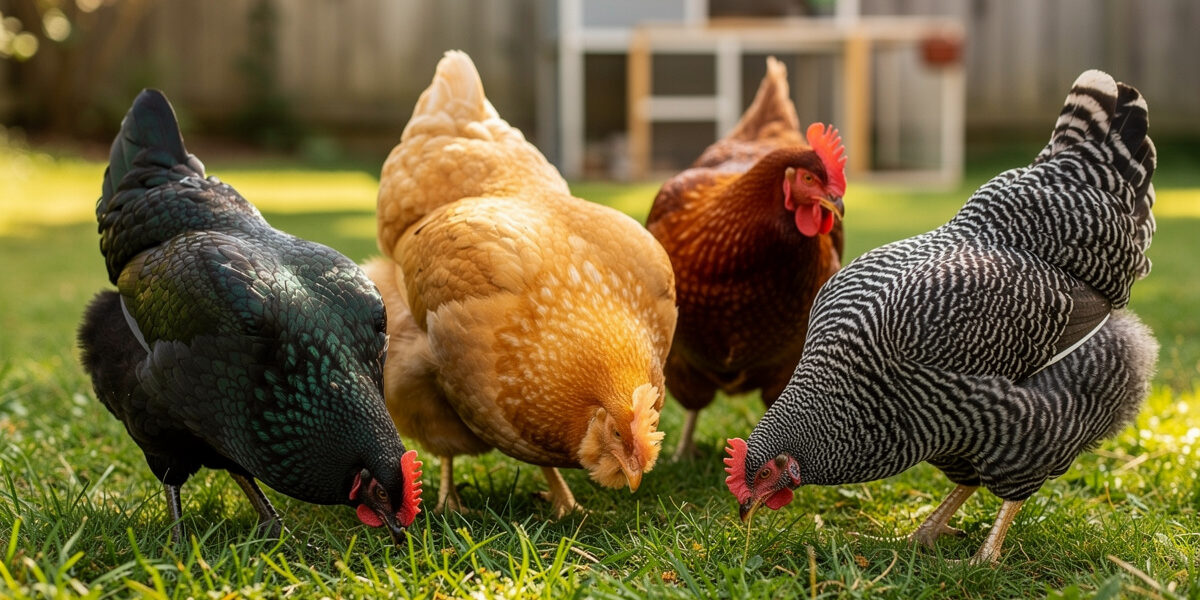
Choosing a chicken breed determines egg production, climate fit, personality, lifespan, and how much your flock will work for or against your coop setup. There are 200+ recognized chicken breeds, but only about 25 are widely available in US hatcheries and suit most backyard flocks. This guide covers the categories that matter — egg-layers, dual-purpose, cold-hardy, heat-tolerant, friendly with kids — and the 10 to 12 best beginner breeds with the data that actually drives the decision. My own flock in Sweden is built around exactly the cold-hardy, small-comb, dual-purpose class this guide leans on — Wyandotte, Orpington, Australorp, and Easter Egger types — sized around the reality every keeper eventually learns: the coop built for 6 ends up holding 10.
Quick Answer: Best Chicken Breeds for Backyard Flocks
For pure egg production: ISA Brown, Black Australorp, Rhode Island Red — 280 to 300+ eggs per year. For cold climates: Buff Orpington, Wyandotte, Brahma — heavy feathering and small comb. For hot climates: Mediterranean breeds (Leghorn, Andalusian) and most Mediterranean-origin birds. For families with kids: Buff Orpington, Silkie, Faverolles — gentlest temperaments. For dual-purpose (eggs + meat): Plymouth Rock, Wyandotte, Sussex. Avoid as a beginner: Mediterranean breeds in cold climates, broody breeds if you want consistent eggs, ornamental-only breeds.
The 12 Best Backyard Chicken Breeds
| Breed | Eggs/Year | Egg Color | Temperament | Climate | Best For |
|---|---|---|---|---|---|
| Black Australorp | 250-300 | Brown | Calm, friendly | Most | Egg production champion |
| Buff Orpington | 200-280 | Brown | Very gentle | Cold preferred | Family flocks, kids |
| Rhode Island Red | 250-300 | Brown | Hardy, sometimes assertive | Most | Reliable layer |
| Plymouth Rock (Barred) | 200-280 | Brown | Friendly, docile | Most | Dual purpose, beginner |
| Wyandotte | 200-240 | Brown | Curious, mild | Cold preferred | Cold climates |
| Easter Egger | 200-280 | Blue/Green | Friendly | Most | Colored egg variety |
| Leghorn (White) | 280-320 | White | Active, flighty | Hot preferred | Pure egg production, hot |
| Sussex (Speckled) | 200-250 | Cream | Calm, curious | Most | Foragers, dual purpose |
| Brahma | 150-200 | Brown | Gentle giant | Cold | Heavy birds, cold-hardy |
| Silkie | 100-150 | Cream | Sweet, broody | Most | Pet, kids, broody mom |
| ISA Brown (hybrid) | 300-350 | Brown | Friendly | Most | Maximum eggs, 2-3 year life |
| Faverolles | 180-240 | Cream | Very gentle | Cold preferred | Family flocks |
For coop sizing across breed sizes, see our Chicken Coop Size Guide.
Egg-Laying Breeds: The Production Champions
If maximum eggs are your goal, these four breeds dominate:
ISA Brown
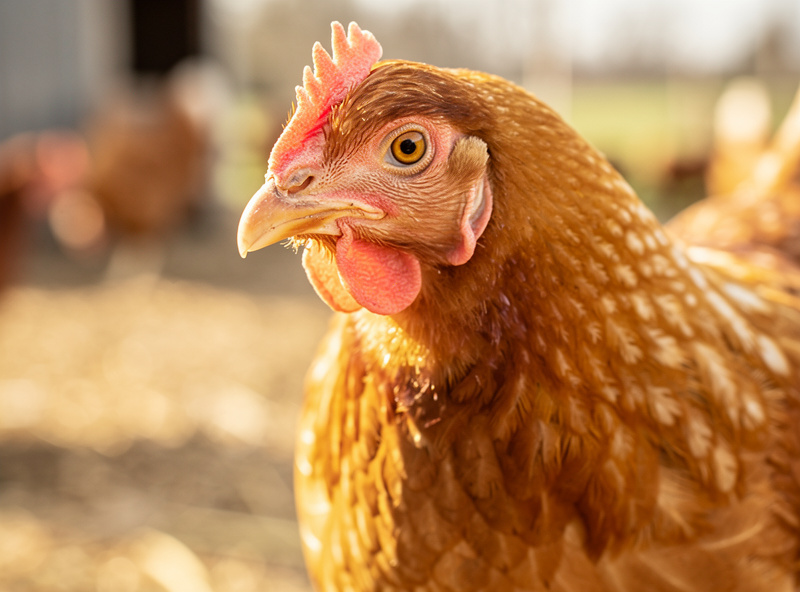
Hybrid (not a heritage breed). Lays 300-350 eggs per year peak. Friendly, hardy, easy to handle. The catch: lifespan is shorter at 2-3 years of peak laying vs heritage breeds’ 4-7 years. Designed for commercial production. Good for small farms wanting maximum eggs per dollar of feed; poor for hobby keepers wanting long-term flock companions.
Leghorn (White)
Heritage breed. 280-320 eggs/year. White eggs (the supermarket standard). Active, flighty, less cuddly. Excellent in hot climates. The Mediterranean origin shows in their hate of cold and tendency to escape coops via flight (clip wings or use covered runs).
Black Australorp
Heritage breed. 250-300 eggs/year. Calm and friendly — exceptionally well-suited to backyard flocks. Lays brown eggs. Holds the world record for eggs per year (364 in 365 days, 1922 — yes that’s an outlier but tells you their genetic potential).
Rhode Island Red
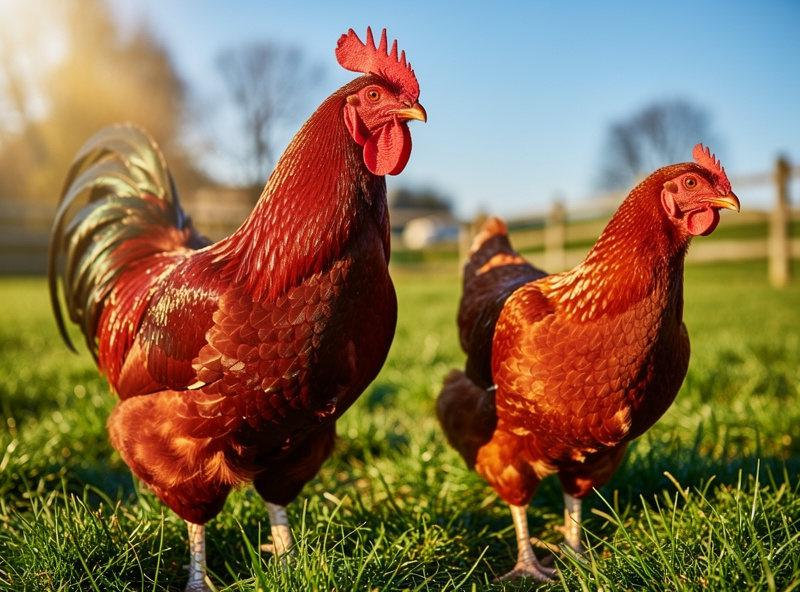
Heritage breed. 250-300 eggs/year. Hardy, productive, sometimes aggressive (especially roosters). The American backyard standard. Brown eggs, well-suited to most climates, easy to source from any hatchery.
For broader cluster context, see our Best Chicken Coop Brands guide.
Cold-Hardy Breeds
For climates with sustained winter temperatures below 20°F, prioritize these traits: small combs (less frostbite risk), heavy feathering, and robust body size for thermal mass. This is the category I actually live in — a Swedish winter doesn’t forgive a breed picked for looks over comb type, and it’s where most starter-kit content quietly stops being useful. Breed selection is only half the cold-climate equation, though — see our chicken coop materials guide for how wall material and insulation interact with breed cold-hardiness.
Buff Orpington
The champion family breed. Heavy bird (8 lbs), thick feathering, calm temperament. Lays 200-280 brown eggs/year. Genuinely cold-hardy — hens have small combs that resist frostbite, and the breed handles temperatures well below 0°F with dry, draft-free (not airtight) shelter. Mine are one of the breeds in my own Swedish flock, and they’re the ones I worry about least on the coldest nights; the real frostbite risk in this breed is the rooster’s larger comb, not the hens. The yellow-buff color is iconic in backyard flocks.
Wyandotte (Silver-Laced or Gold-Laced)
Rose comb (less frostbite risk), heavy bird, cold-hardy. 200-240 eggs/year. Beautiful laced feather pattern. American heritage breed.
Brahma (Light, Dark, or Buff)
The gentle giant. 9-12 lb birds, heavily feathered including feet (helps with frozen perches). Slower egg production at 150-200/year but exceptional cold tolerance. Good for keeping backyard chickens in northern climates.
Faverolles
French breed. Heavy feathering, salmon-colored, gentle temperament. 180-240 cream eggs/year. Tolerates cold well, very kid-friendly.
Heat-Tolerant Breeds
For climates above 90°F sustained summers, prioritize: large combs (heat dissipation), Mediterranean origins, lighter body weight, and aggressive heat-seeking behavior (laying flat to reduce body temperature).
Leghorn
White, brown, and other varieties. Mediterranean breed, exceptional heat tolerance. Active and flighty — a downside in some setups.
Andalusian
Spanish origin. Active, heat-tolerant. Lays 150-180 white eggs/year. Less commonly stocked; check local hatcheries.
Egyptian Fayoumi
Egyptian heritage. Excellent heat tolerance, good foragers, lay 150-200 small eggs/year. Niche choice for hot-climate hobbyists.
Most Mediterranean Breeds
Anything from Italian, Spanish, or Egyptian heritage tends to handle heat well. They share the trait of large single combs that dissipate heat efficiently.
Friendly Breeds for Families with Kids
Temperament matters when chickens will be handled by children. The following breeds are documented as gentle, tolerant of handling, and unlikely to peck or scratch.
- Buff Orpington: The standard family chicken. Gentle, lap-sitting tendencies, easy handler.
- Silkie: Small (3-4 lb), fluffy, sweet. Lower egg production but exceptional pet quality. Often go broody — if you want to hatch eggs, Silkies are natural mothers.
- Faverolles: Beard, fluffy cheeks, calm. Often described as “fluffy lap chickens.”
- Australorp: Calm, productive, family-friendly.
- Brahma: Despite the size, very gentle. Big birds, slow movements.
Avoid for kid-handling: Mediterranean breeds (Leghorn, Andalusian — flighty), some Rhode Island Reds (can be assertive), Game breeds (Old English Game, Modern Game — bred for combat).
Do You Need a Rooster?
Short answer for most backyard keepers: no. Hens lay eggs on their own schedule without a rooster present — a rooster is only necessary if you want fertilized eggs to hatch. That single fact resolves most of the decision, but a few practical points are worth knowing before you decide either way.
Check local ordinances before anything else. Many suburban and urban jurisdictions that allow hens explicitly prohibit roosters, almost always because of noise — a rooster crows on his own schedule, not just at dawn, and a neighbor complaint about crowing is one of the more common reasons backyard flocks run into trouble with local authorities. This is squarely the kind of jurisdiction-specific question worth confirming locally rather than assuming from a general guide.
A rooster does add real value to a flock, beyond fertility. A good rooster is genuinely useful for predator vigilance — the alarm call that warns hens to get under cover is a real behavior, not folklore — and roosters also break up hen-on-hen pecking-order conflicts and spread out mating attention that would otherwise concentrate on fewer hens. Whether that’s worth the noise and the ordinance risk is a real trade-off, not an obvious yes.
Breed temperament matters more for roosters than hens. A Rhode Island Red or Leghorn rooster runs noticeably more likely to be aggressive toward people (including kids) than an Orpington or Australorp rooster does. If you do want a rooster and have children handling the flock, weight that decision by breed at least as heavily as you would for hen temperament.
One rooster per 8-10 hens is the usual guidance if you’re keeping one at all — too many roosters in a small flock leads to fighting among them and over-mating stress on the hens.
If you do end up with a rooster you didn’t plan for — an unsexed “straight run” order is the most common way this happens — rehoming through a local poultry swap, farm-supply bulletin board, or breed-specific online group is usually more realistic than trying to keep a rooster in a jurisdiction that doesn’t allow one. Most areas that ban roosters see this often enough that rehoming networks for exactly this situation already exist locally.
Dual-Purpose Breeds (Eggs + Meat)
Heritage dual-purpose breeds reach acceptable processing weight (4-7 lbs) at 16-20 weeks while still laying 200+ eggs/year as hens.
- Plymouth Rock (Barred): 200-280 eggs/year, 7 lb dressed weight, beginner-friendly.
- Wyandotte: 200-240 eggs/year, 6 lb, cold-hardy.
- Sussex (Speckled, Light): 200-250 eggs/year, 6-7 lb, excellent foragers.
- Buff Orpington: 200-280 eggs/year, 8 lb, gentle but slow-growing.
If your goal is exclusively meat (more efficient feed conversion than dual-purpose), Cornish Cross or Rangers are designed for that — but they’re broiler hybrids, not layers.
Winter Laying and Molt Timing by Breed
Egg production numbers on a breed chart are annual averages — they don’t tell you when in the year those eggs actually show up, and that’s a bigger practical difference than most beginner guides let on.
The mechanism is light, not cold. Laying is driven by day length (photoperiod), not temperature directly — hens generally need at least 14 hours of light to sustain regular production, with maximum output around 16 hours (see Penn State Extension’s guide to artificial lighting for winter egg production), and as natural daylight drops through fall, most breeds slow down or stop regardless of how well-insulated the coop is. This is why a heated coop doesn’t fix a winter egg slump and a well-ventilated unheated one doesn’t cause it — the trigger is the shortening days.
Breed varies in how hard that slowdown hits. Heritage dual-purpose breeds bred for all-around utility — Australorp, Wyandotte, Sussex, Rhode Island Red — tend to keep laying through winter better than ornamental or pure-show lines, though still at a reduced rate versus summer peak. Production hybrids (ISA Brown) are bred specifically to resist the seasonal slowdown and will often keep laying through winter with minimal drop, which is part of why they’re the commercial-industry default. Broody-prone breeds (Silkie, Cochin, and Orpington hens that go broody) add their own separate production gaps whenever they decide to sit, independent of season.
Molt is the other winter variable. Most hens molt once a year, typically triggered by shortening days in fall, and stop laying almost entirely for 4-8 weeks while they redirect energy into growing new feathers. A flock molting right as daylight drops means a real gap in eggs that has nothing to do with breed selection going wrong — it’s the normal cycle. Keepers who stagger flock ages (not all hens hatched the same spring) smooth this out, since first-year pullets typically lay through their first fall/winter without molting, partially offsetting the older hens who do.
Artificial light is a genuine option, with a real trade-off. Supplemental light on a timer to extend the effective day length to 14+ hours keeps production up through winter, and it’s a natural fit for a coop already running on Home Assistant — a scheduled light addition is a small logic change, not new hardware. The trade-off: it also pushes a hen’s total lifetime egg output forward, meaning she reaches her productive decline sooner. Whether that trade is worth it is a genuine judgment call, not a settled “always do this” — I don’t run supplemental light on my own flock, since a predictable winter slowdown is a fine trade for hens that lay longer overall.
Egg Color: Picking for Variety
| Egg Color | Breeds | Notes |
|---|---|---|
| White | Leghorn, Andalusian, Hamburg, Polish | Supermarket standard, Mediterranean breeds |
| Brown (light) | Most heritage breeds | Standard backyard egg color |
| Brown (dark, “chocolate”) | Marans (Black Copper, Cuckoo) | Dark brown shells, beautiful |
| Blue | Ameraucana, Cream Legbar | True blue (color goes through shell) |
| Green | Easter Egger | Mixed-breed; color varies per hen |
| Olive | Olive Egger | Marans + Ameraucana cross |
| Cream / Tan | Sussex, Faverolles, Silkie | Off-white intermediate shades |
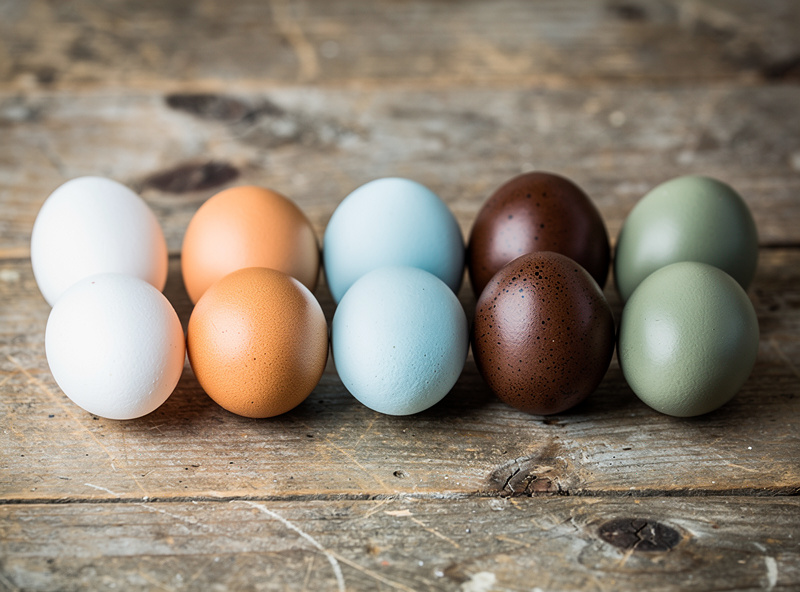
Egg color does not affect taste or nutrition — it’s purely cosmetic. A mixed-color flock (Easter Egger + Marans + Australorp = blue, dark brown, brown eggs) is visually appealing if you sell or gift eggs.
Hatchery vs Local Breeder Sourcing
Hatcheries (Murray McMurray, Meyer Hatchery, Ideal Poultry, etc.): Mail-order day-old chicks. Pros: huge breed variety, vaccinations available, predictable quality. Cons: shipping stress is real and mortality is higher than most first-time buyers expect — reported dead-on-arrival and first-week loss rates climb sharply with transit time, so a fast, well-timed shipment (2 days or less, avoiding peak winter cold) matters more than which hatchery you pick. See The Featherbrain’s breakdown of mail-order chick shipping mortality before you order.
Local breeders (Craigslist, farm pages, friends): Pros: support local agriculture, see the parent stock, no shipping mortality. Cons: smaller breed selection, variable quality, may not be vaccinated.
Tractor Supply (Spring chick days): Spring-only stock. Pros: see chicks before buying. Cons: limited breed selection (typically 4-8 popular breeds), straight run common (mixed males/females).
Started pullets (16+ weeks old): Some hatcheries and local breeders sell hens that are about to start laying. Costs $25-50/bird vs $4-7/chick. Faster path to eggs but more expensive overall.
For coop selection that matches your breed choices, see our Best Chicken Coops 2026 guide.
Sourcing for a Genuinely Cold Climate
If you’re ordering chicks for a climate with a real winter, timing and shipping distance change the calculation more than breed selection alone.
Avoid shipping in the coldest months if you can help it. A day-old chick has essentially no ability to thermoregulate on its own and relies entirely on the group huddling in the shipping box for warmth; a shipment that sits in an unheated cargo hold or a delayed truck during a hard freeze is a genuinely higher-risk shipment than the same order in spring or early fall. Spring hatching season exists for a reason — it isn’t just tradition.
Shorter transit beats brand reputation. A closer hatchery with a 1-2 day transit time is generally a safer bet than a far-away hatchery with a slightly better breed selection but 3-4 days in transit, especially outside the mild-weather months. Check transit estimates before you fall in love with a specific hatchery’s breed list.
Local breeders sidestep the shipping question entirely. If a local or regional breeder carries the cold-hardy breeds you want, you skip the whole shipping-mortality conversation — the trade-off is a smaller selection and no guaranteed vaccination protocol, which is worth confirming directly with the breeder before you commit.
Order a few extra if you’re shipping into genuinely cold conditions. Most hatcheries already build in a small buffer for exactly this reason (some include a bonus “packing peanut” chick for warmth on cold-weather orders). If you’re ordering during a shoulder season with real cold-snap risk, ask the hatchery directly about their cold-weather shipping practices rather than assuming.
How Breed Choice Interacts With Coop Automation
Most breed guides stop at eggs, temperament, and climate. There’s a layer most keepers only discover after the fact: breed traits change how well your automation actually works, and picking breeds without thinking about that layer means retrofitting decisions later instead of building them in from the start.
Auto-doors and body size
A pop-door sized and weighted for a flock of Leghorns and Easter Eggers can be genuinely too light and too fast for a flock of Brahmas and Cochins moving through it — heavier, slower-moving birds need a door with a more forgiving obstruction sensor and a slower close cycle, or you risk a door closing on a bird that hasn’t fully cleared the threshold. If you’re running a mixed flock with a big cold-hardy breed in the mix, check the door manufacturer’s minimum obstruction-detection spec against your heaviest bird, not your average one — see our Automatic Coop Doors Buyer’s Guide for the mechanism breakdown by door type.
Comb type and light-triggered doors
Light-trigger and astro-schedule auto-doors work off ambient light, not bird behavior, so breed doesn’t change the door logic directly — but it does change how urgently you need the door to work correctly. A flock with large-combed, cold-sensitive breeds (Leghorns, Andalusians) in a cold climate has a much smaller margin for a door that fails to close on schedule than a flock of small-combed Wyandottes and Australorps. If you’re keeping a cold-sensitive breed anywhere near a genuinely cold climate, that’s exactly the flock where a fail-closed door and a freeze-watch automation on the waterer earn their keep the most.
Camera monitoring and temperament
Flighty, high-strung breeds (Leghorns especially) trigger motion-zone cameras and alerts constantly from ordinary flock activity — wing-flapping, dust-bathing, general commotion — which either means tuning motion sensitivity down (and risking missed real events) or accepting more noise in your notifications. Calmer breeds (Orpington, Australorp, Brahma) generate a cleaner signal on camera, which matters more than it sounds like it should once you’re relying on footage to tell a real predator event from a false alarm at 2 a.m. — see our motion-sensor coop light guide for how that pairing actually works.
Nesting box behavior and broodiness
Broody-prone breeds (Silkies, Cochins, Orpingtons to a lesser degree) camp in nesting boxes for days at a time, which complicates any roll-away nesting-box setup — a broody hen sitting on the angled floor blocks the mechanism and can sit on eggs she didn’t lay. If you’re running or considering a DIY roll-away conversion, standard hinged boxes for your broodiest breeds and roll-away for the rest is a more realistic split than converting the whole bank — see our nesting box sizing guide for the box-count math by flock size.
Integrating New Breeds Into an Established Flock
Adding a new breed to an existing flock is a pecking-order problem before it’s a breed-compatibility problem, but breed choice still matters — a batch of assertive Rhode Island Reds dropped into a flock of gentle Orpingtons integrates rougher than the reverse pairing would.
Quarantine first, regardless of source. New birds — hatchery, local breeder, or swap — get 2-4 weeks separated from the existing flock before any face-to-face introduction, no exceptions. This isn’t breed-specific; it’s basic biosecurity that protects the investment you already have in your established birds — see our chicken biosecurity guide for the full quarantine protocol.
Introduce in neutral territory when possible. A run section the existing flock doesn’t already consider “theirs” produces less territorial aggression than dropping new birds straight into the main coop. A few days of see-but-don’t-touch separation (a wire divider inside the run) before full mixing smooths the transition further.
Match size classes where you can. Chicken math being what it is, most keepers eventually mix breeds anyway — but a full-grown Brahma hen and a bantam Silkie sorting out a pecking order is a much rougher process than two birds of similar size. If you’re adding to an existing flock rather than starting fresh, favor a breed in the same general size class as what you already have.
Expect a real pecking-order reset, not a smooth handoff. Even calm-breed introductions involve some chasing and re-establishing of hierarchy for the first 1-2 weeks. Watch for a single bird being ganged up on rather than normal one-on-one sorting — that’s the sign to intervene, not the normal process working itself out.
Common Breed Selection Mistakes
Picking by appearance only. A beautiful Polish or Frizzle is fun but won’t lay enough eggs to justify feed cost in most flocks.
Picking pure egg-production breeds for cold climates. Leghorn looks great on paper but freezes in winter — large comb susceptible to frostbite, body too lean for cold tolerance.
Mixing aggressive and gentle breeds. Rhode Island Red roosters and Silkies don’t share well. Aggressive birds bully gentle ones in tight coop conditions.
Going all-broody breeds. Silkies and Cochins go broody often. If you have 4 Silkies and they all decide to sit at once, your egg supply drops to zero for 3-5 weeks per cycle.
Underestimating space requirements. Brahmas and Cochins need more square footage per bird than smaller breeds. Match flock to coop size — see our Chicken Coop Size Guide.
Buying ISA Brown for long-term hobby. Hybrid layers burn out at 2-3 years. Heritage breeds keep laying for 4-7 years (with declining production). Hobby keepers usually prefer heritage.
Ignoring how a breed’s temperament interacts with your automation, not just your handling. This is the mistake this guide’s automation section above exists to head off — a flighty breed and a sensitive camera motion zone, or a heavy cold-hardy breed and an undersized auto-door, are both “breed is fine, setup wasn’t matched to it” problems that show up months after the birds arrive, not on day one. Think through the automation fit at the same time as the breed decision, not after.
Assuming every “cold-hardy” claim means the same thing. Cold-hardy covers a real range — a Wyandotte and a Brahma are both genuinely cold-tolerant, but a Brahma’s extra size and feathered feet handle sustained deep cold differently than a Wyandotte’s rose comb and moderate size does. If you’re in a climate with real sustained cold rather than occasional cold snaps, read past the “cold-hardy” label to the specific traits (comb type, body mass, feathering density) that are doing the actual work.
The Bottom Line
Most beginner mistakes in breed selection aren’t really about the breed chart — they’re about matching a breed to the actual climate, the actual coop setup, and the actual people (or automation) handling the flock day to day, rather than picking on eggs-per-year and color alone. My own flock leans hard into the cold-hardy, dual-purpose, small-comb class for exactly that reason: it’s the set of traits that keeps working with the least babysitting through a real winter, on a coop that runs mostly on its own schedule. Whatever climate and setup you’re working with, the breed chart above is the starting point — the sections on automation fit, winter laying, and cold-climate sourcing are what turn a good breed pick into a flock that actually thrives in your specific coop.
Frequently Asked Questions
What is the best chicken breed for beginners?
Buff Orpington for families and gentle handling. Black Australorp for egg production with calm temperament. Plymouth Rock for dual-purpose (eggs + meat). All three are friendly, hardy, productive, and tolerate beginner mistakes. Avoid Mediterranean breeds and game birds as a first flock.
Which chicken breeds lay the most eggs?
ISA Brown hybrid: 300-350 eggs/year (highest, but 2-3 year productive lifespan). Leghorn: 280-320 white eggs/year. Black Australorp: 250-300 brown eggs/year. Rhode Island Red: 250-300 brown eggs/year. These four dominate egg production rankings.
What chicken breeds are good for cold climates?
Buff Orpington, Wyandotte, Brahma, and Faverolles are the four standard cold-hardy breeds. Look for small combs (less frostbite risk), heavy feathering, and body weight 7+ lbs. Avoid Mediterranean breeds (Leghorn, Andalusian) in cold climates — large combs frostbite easily.
What is the friendliest chicken breed?
Buff Orpington and Silkie are widely considered the friendliest backyard breeds. Faverolles, Brahma, and Black Australorp follow close behind. All five tolerate handling by children, are unlikely to peck or scratch, and adapt well to confinement. Avoid game breeds with kids.
How long do backyard chickens live?
Heritage breeds typically live 4-7 years with active egg laying for the first 4-5 years. Hybrid layers (ISA Brown) burn out at 2-3 years of peak laying. Some chickens can live 8-10 years with declining production. Predator loss and disease are the most common cause of premature death.
How many chicken breeds can I mix in one flock?
3-5 different breeds works well. Mixed flocks of similar size and temperament integrate well — Australorp, Plymouth Rock, Wyandotte, and Buff Orpington all coexist peacefully. Avoid mixing very small breeds (Silkies) with much larger breeds (Brahmas) due to bullying risk.
What chickens lay blue or green eggs?
Ameraucana and Cream Legbar lay true blue eggs. Easter Eggers (mixed breeds with Ameraucana ancestry) lay blue, green, or olive eggs depending on individual hen. Olive Eggers (Marans x Ameraucana cross) lay olive green eggs. Egg color is purely cosmetic; nutrition is identical.
Chicken Breeds Cluster Deep Dives
For specific selection criteria, the four spoke articles dig into different decision angles:
- Best Chicken Breeds for Backyards: 12 Picks — ranked by overall package, with specific picks by goal.
- Cold-Hardy Chicken Breeds: 10 Picks for Northern Climates — Brahma, Wyandotte, Buff Orpington, frostbite prevention, why heated coops are usually a mistake.
- Friendliest Chicken Breeds for Families and Kids — Silkie, Buff Orpington, Faverolles plus habituation tips.
- Best Egg-Laying Chicken Breeds: 10 Top Producers — ISA Brown, Australorp, Leghorn, hybrid vs heritage math, sizing your flock.
Related Articles
- Chicken Coop Size Guide: How Many Per Square Foot
- Best Chicken Coops 2026 Buyers Guide
- Best Chicken Coop Brands
- Predator-Proof Chicken Coop Defense Guide
- How to Build a Smart Chicken Coop
Related Guides

How to Choose Chicken Breeds: A Keeper Decision Guide
Learning how to choose chicken breeds is really a requirements exercise, not a beauty contest. Before you look at a…
Heritage Chicken Breeds Compared: A Keeper Guide
A heritage chicken breeds comparison comes down to three things most lists never separate: a true heritage breed mates naturally,…
Bantam Chickens for Small Spaces: Best Small Breeds
Bantam chickens for small spaces are the answer when you want a real flock but have a courtyard instead of…