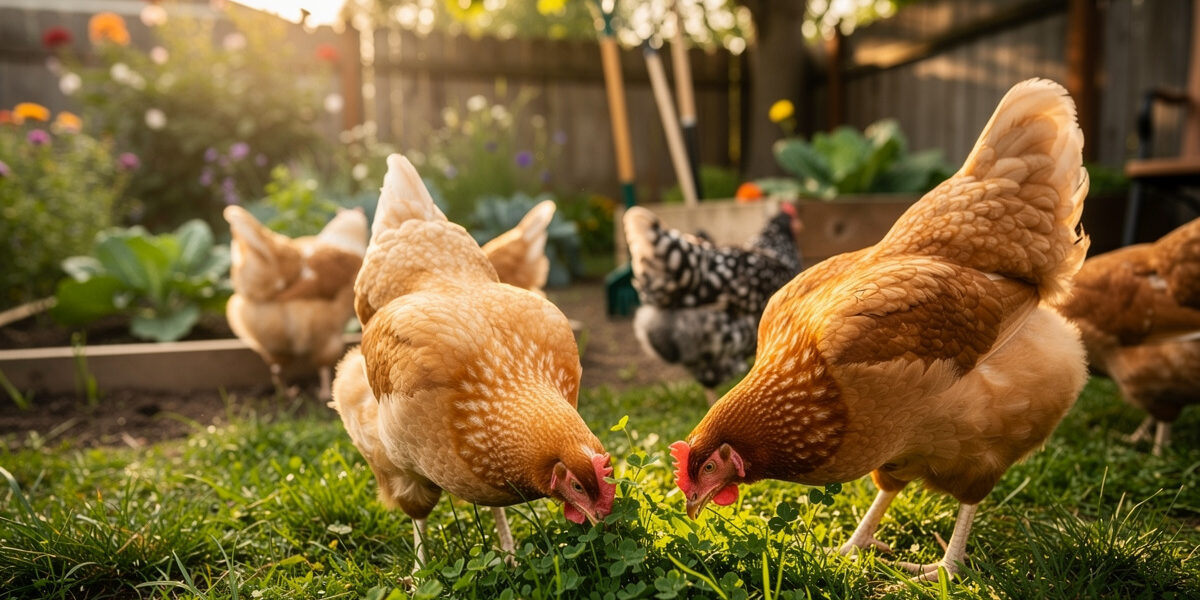
So you are thinking about raising chickens? Maybe you have been inspired by the idea of fresh eggs every morning, or perhaps you want a sustainable food source for your family. Whatever your motivation, backyard chicken keeping in 2026 is more accessible than ever — especially with modern automation technology that makes the daily routine almost effortless.
This guide covers everything a beginner needs to know: from deciding if chickens are right for you, to choosing your first breed, building the right coop, and understanding daily care routines. We will also explore how smart technology can transform chicken keeping from a demanding daily chore into a manageable, enjoyable hobby.
Is Chicken Keeping Right for You?
Before bringing home your first chicks, an honest assessment of your situation prevents disappointment later. Here is what to consider:
Space Requirements
Chickens need room to roam, forage, and exercise. The minimum requirements are:
- Coop space: 3-4 square feet per chicken indoors
- Run space: 8-10 square feet per chicken outdoors
- Free-range option: 250+ square feet per chicken if allowing unsupervised roaming
A small backyard can accommodate 3-4 chickens comfortably. Urban lots typically support 4-6 birds. Larger properties can handle bigger flocks, but remember — more chickens mean more everything: more feed, more cleaning, more eggs, and more responsibility.
However, automation changes the equation. A smart coop with automated feeding, watering, and door systems can effectively support chickens in slightly smaller spaces because birds spend more time safely outdoors with reliable automatic access control.
Time Commitment
Traditional chicken keeping requires daily attention:
- Morning: Open coop, check feed/water, collect eggs (15-20 minutes)
- Evening: Close coop door, collect eggs, check for issues (10-15 minutes)
- Weekly: Deep cleaning, supply restocking (30-60 minutes)
- Monthly: Coop maintenance, health checks (1-2 hours)
Without automation, you are tied to your property every single day. Rain or shine. Vacation or work emergency. The chickens cannot wait. I ran mine manually for a stretch before wiring in the first auto-door, and the 5 a.m. walk to the run on a −15°C morning is the memory that finally pushed me to automate — not laziness, just a rational response to a Swedish winter.
With automation, daily visits become optional rather than mandatory. An automatic door handles opening and closing. Automated feeders and waterers eliminate daily refilling. You can skip a day — or even a weekend — without compromising your flock’s wellbeing.
Local Laws and Regulations
Before buying a single chick, research your local ordinances:
- Are chickens permitted in your municipality?
- Is there a limit on flock size?
- Are roosters allowed? (Usually prohibited in urban areas)
- Setback requirements from property lines or neighbors?
- Permit or licensing requirements?
Most suburban and rural areas allow chickens with reasonable restrictions. Urban environments vary widely — some embrace backyard flocks, others prohibit them entirely. Check city ordinances, HOA rules, and any deed restrictions before proceeding.
Your Climate
Chickens are remarkably hardy, but extreme climates require additional preparation:
Cold Climates: Below-freezing temperatures demand draft-free coops, supplemental heat sources, and careful breed selection. Automatic waterers with heated bases prevent freezing.
Hot Climates: Heat stress is the leading cause of summer mortality in backyard flocks, and it can be more dangerous than cold — chickens have no sweat glands, wear a permanent feather layer, and a single closed-up 100°F afternoon with empty water bowls can take out multiple birds at once (eXtension Poultry). Shade, ventilation, and cooling systems become critical. Automated ventilation fans triggered by temperature sensors provide lifesaving climate control.
Wet Climates: Constant moisture leads to respiratory issues and parasites. Elevated coops with excellent drainage and automated humidity monitoring keep flocks healthy.
Start-Up Costs
Expect to invest upfront before collecting your first egg:
- Coop (build or buy): $200-$2,000+
- Chicks or pullets: $3-$25 each
- Feeders and waterers: $30-$100
- Initial feed supply: $20-$50
- Bedding material: $20-$40
- Basic supplies: $50-$100
Minimum realistic budget: $300-$500 for a basic setup with 3-4 chickens.
For coop selection at this budget tier, our complete chicken coop brands comparison covers the 10 manufacturers and retailers worth shopping, ranked by price tier and smart-coop fit. Beginners on the lowest budget should start with our cheap chicken coops under $300 buyer’s guide first.
Automation adds cost but pays dividends in time savings. A basic automatic door ($150) eliminates the single most time-consuming daily task — opening and closing the coop.
Choosing Your First Chicken Breed
With hundreds of chicken breeds available, beginners often feel overwhelmed. Simplify your decision by focusing on three factors:
Egg Production vs. Dual Purpose
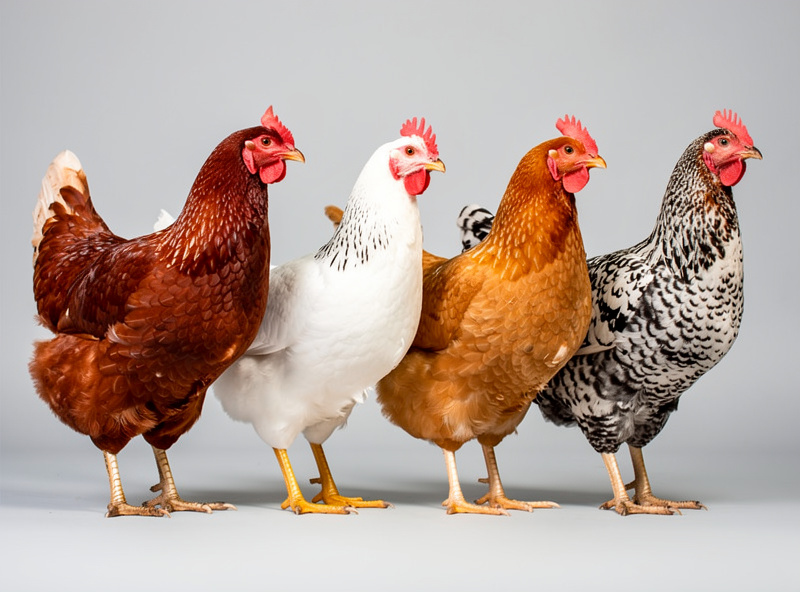
Heavy Egg Layers: Breeds selected specifically for high egg output (250-300+ eggs per year). Examples include:
- Rhode Island Red — Hardy, friendly, 250-300 brown eggs/year
- Leghorn — Prolific white egg layer (280-320/year), active
- Sussex — Gentle, adaptable, 250-275 cream/tinted eggs/year
- Plymouth Rock — Cold-hardy, 200-280 brown eggs/year
Dual Purpose Breeds: Good egg production with decent meat qualities if you eventually process birds. Examples:
- Orpington — Fluffy, friendly, 175-200 brown eggs/year
- Wyandotte — Beautiful, hardy, 200-240 brown eggs/year
- Australorp — Record egg layer (364 in one year!), docile
- Brahma — Giant, gentle, 150-200 brown eggs/year
Most beginners should start with proven egg layers. You get more eggs, sooner, with reliable, hardy birds.
Temperament Matters
If you have children or want interactive pets, docile breeds make better choices:
- Silkie — Fluffy, gentle, broody (great for hatching)
- Orpington — “Golden retrievers” of chickens, very friendly
- Brahma — Large but incredibly gentle giants
- Australorp — Calm, easy to handle
Active, flighty breeds like Leghorns or Mediterranean varieties require more secure housing and handling skills. Save these for your second flock.
Climate Adaptation
Select breeds suited to your weather:
Cold Climates: Large combs and wattles freeze in winter. Choose breeds with small combs (pea combs, rose combs):
- Wyandotte — Rose comb, extremely cold-hardy
- Ameraucana — Pea comb, good layer, blue eggs
- Brahma — Feathered feet, massive body retains heat
My own flock in Sweden is built entirely around this small-comb, dual-purpose class — Wyandottes, Orpingtons, an Australorp or two, and an Easter Egger for variety. It’s not the flashiest lineup, but a big single comb on a rooster or a heavy layer is the first thing to blister in a hard frost, and I’d rather have boring, cold-hardy combs than a striking bird nursing frostbitten tissue every January.
Hot Climates: Large combs actually help with cooling. Select heat-tolerant Mediterranean breeds:
- Leghorn — Large comb, active, heat-tolerant
- Andalusian — Elegant, heat-hardy, active forager
- Minorca — Huge comb, excellent hot weather breed
How Many Chickens?
Start small. Three to four chickens provide:
- 12-20 eggs per week (enough for most families)
- Manageable waste and coop cleaning
- Low feed costs (~$15-25/month)
- Easy to rehome if chicken keeping is not for you
You can always add more later. Starting with 8-10 birds as a beginner often leads to overwhelm and rehoming.
Coop Basics: Size, Placement, and Design
Coop Size Guidelines
Use this formula to calculate minimum coop size (full breakdown by flock count, breed weight class, and climate is in our chicken coop size guide):
Number of chickens × 4 square feet = Minimum coop floor space
Examples:
- 3 chickens: 12 square feet (3×4 foot coop)
- 4 chickens: 16 square feet (4×4 foot coop)
- 6 chickens: 24 square feet (4×6 foot coop)
These are minimums. More space reduces stress, aggression, and disease transmission. If possible, double these figures.
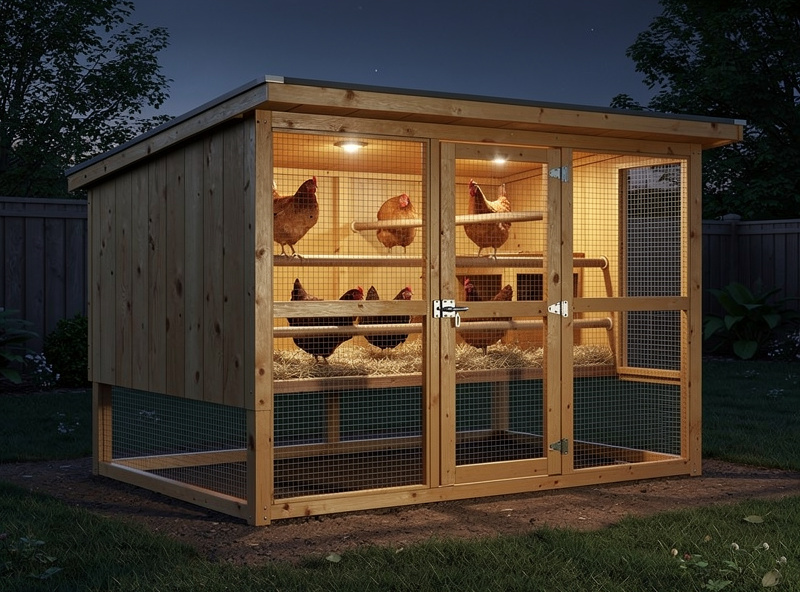
Essential Coop Features
Every coop needs these elements:
1. Nesting Boxes
One box per 3-4 hens. Size: 12×12×12 inches minimum. Place 18-24 inches off the floor with a lower “step” for easy access. Line with straw, wood shavings, or nesting pads.
2. Roosting Bars
Chickens naturally want to sleep off the ground. Provide 8-12 inches of roost space per bird. Use 2×4 boards with the 4-inch side flat (easier on feet). Position higher than nesting boxes so chickens roost, not nest, at night.
3. Ventilation
Critical for health. Ammonia from droppings damages respiratory systems. Provide 1 square foot of ventilation per 10 square feet of floor space. Position vents high (above roost level) to avoid drafts on sleeping birds.
4. Predator Protection
Use 1/2-inch hardware cloth (not chicken wire) on all openings. Bury wire 12 inches deep around the perimeter to stop digging predators. Secure latches that raccoons cannot open.
5. Easy Access
Large human doors (3+ feet wide) for cleaning. External nesting box access for egg collection. Removable roosts for deep cleaning.
Placement and Orientation
Location affects everything:
- East/southeast facing: Morning sun helps wake chickens and trigger laying
- Shade availability: Afternoon shade prevents overheating
- Elevation: Avoid low spots that flood or collect moisture
- Power access: Near electrical sources for automation equipment
- Visibility: Position where you can see it from your house
Run vs. Free Range
Decide how chickens will spend their days:
Enclosed Run: Secure fencing preventing escape and predator entry. Minimum 10 square feet per bird. Connect directly to coop with automatic door access.
Free Range: Chickens roam larger areas unsupervised. Higher risk of predation but more natural behavior and reduced feed costs (they forage). Requires automatic doors to let them out at dawn and secure them at dusk.
Hybrid Approach: Many keepers use a secure run for busy weekdays and supervised free-ranging on weekends when home to monitor.
Daily Routines: What Chicken Keeping Actually Looks Like
Understanding the daily grind helps you prepare — and appreciate how automation changes everything.
Morning Routine (15-20 minutes)
Manual Coop:
- Open coop door after sunrise (chickens need 14-16 hours of light for optimal laying — Penn State Extension)
- Check and refill waterers if low
- Top off feeders if needed
- Quick visual health check on flock
- Collect any early eggs
With Automation:
- Automatic door opened at programmed time or sunrise
- Automated feeder dispensed morning ration
- Waterers auto-refill from reservoir
- Check phone app to confirm everything functioning
- Optional: collect eggs (or wait until evening)
Time saved: 10-15 minutes every single morning. That is 60+ hours per year.
Evening Routine (10-15 minutes)
Manual Coop:
- Count chickens and confirm all are inside before dark
- Close and secure coop door (critical — predators hunt at dusk)
- Collect eggs
- Final check on water and feed levels
- Secure any supplemental lighting if using
With Automation:
- Automatic door closes at programmed time or sunset
- Camera confirms all chickens inside
- Collect eggs when convenient (before bed)
- App alerts if door malfunction or chickens missing
Time saved: 10 minutes daily. Another 60+ hours per year. More importantly, freedom from being home every single evening.
Weekly Maintenance (30-60 minutes)
Regardless of automation level:
- Deep clean coop (remove old bedding, add fresh)
- Scrub waterers to prevent algae and bacteria
- Clean and refill feeders
- Inspect coop for damage, loose hardware, or predator attempts
- Collect and record egg production numbers
Automation does not eliminate weekly maintenance, but it reduces daily burdens significantly.
Monthly and Seasonal Tasks
Monthly:
- Full coop inspection and repairs
- Health checks on individual birds
- Parasite prevention (dust baths, treatments)
- Restock supplies and feed
- Test backup systems (battery doors, etc.)
Seasonal:
- Spring: Deep clean, repair winter damage, prepare for increased laying
- Summer: Increase ventilation, add shade, monitor for heat stress
- Fall: Prepare for molting season, winterize coop
- Winter: Insulate where needed, add heating elements, prevent water freezing
Why Smart Technology Makes Chicken Keeping Easier
Here is the truth about traditional chicken keeping: it is rewarding but demanding. The daily commitment ties you to your property in ways that limit spontaneity and flexibility.
Smart automation changes the equation entirely. Once you experience a coop that opens itself, feeds your flock on schedule, and sends alerts to your phone, you will wonder how anyone keeps chickens the old way.
The Game Changers
Automatic Doors: The #1 Upgrade
Eliminating the need to be home at dawn and dusk transforms chicken keeping from a prison sentence into a manageable hobby. You can work late, go out for dinner, or take a weekend trip without arranging coop sitters. The door never forgets, never gets stuck in traffic, and never sleeps in.
Learn about selecting the right automatic door in our complete buyer’s guide.
Automated Feeding: Consistency Without Effort
Chickens thrive on routine. Automated feeders provide the exact same amount of food at the exact same times daily — something humans cannot reliably achieve. Better-fed chickens lay more eggs, resist disease better, and experience less stress.
Explore automated feeding options in our feeders and waterers guide.
Remote Monitoring: Peace of Mind
A WiFi camera inside your coop provides instant visual confirmation that everything is okay. Is the door closed? Are all chickens inside? Is the temperature acceptable? Check from your phone anytime, anywhere.
Discover monitoring solutions in our cameras and sensors guide.
Environmental Control: Health Through Technology
Temperature sensors trigger fans or heaters automatically. Humidity monitors prevent respiratory issues. Your chickens live in optimal conditions 24/7 without constant human intervention.
The True Cost of Automation
Many beginners balk at automation costs — an automatic door costs $150-$400, cameras another $100-$300. But calculate the value of your time:
Without automation: 30 minutes daily × 365 days = 182.5 hours annually spent on basic chicken care.
With basic automation (door + feeder): 10 minutes daily × 365 days = 60.8 hours annually.
Time saved: 121.7 hours per year. At minimum wage ($15/hour), that is $1,825 worth of labor.
Even a full smart coop system costing $1,000-$2,000 pays for itself in time savings within the first year. The convenience and freedom are priceless bonuses.
Getting Started: Your First 30 Days
Here is a practical roadmap for launching your chicken keeping journey:
Week 1-2: Research and Preparation
- Verify local ordinances and obtain any required permits
- Decide on flock size and select breeds
- Plan coop location and design
- Calculate budget (coop, supplies, automation, ongoing feed costs)
- Source feed supplier and veterinarian who treats poultry
Week 2-3: Build or Buy Your Coop
- Construct or purchase coop with proper ventilation and predator protection
- Install roosts, nesting boxes, and basic infrastructure
- Run electrical for future automation (even if not buying yet)
- Set up run or free-range area
Week 3-4: Add Automation (Optional but Recommended)
- Install automatic door — the single best first investment
- Set up automated feeder and waterer
- Install WiFi camera for monitoring
- Test all systems thoroughly before birds arrive
For budget-friendly automation options, see our DIY smart coop under $200 guide.
Week 4: Acquire Your Chickens
- Purchase chicks from reputable hatchery or pullets from local farm
- Set up brooder if starting with chicks — see our chick and pullet care guide for heat lamp setup, bedding, and starter feed details
- Or introduce pullets directly to coop if buying mature birds
- Monitor closely first week for stress, illness, or integration issues
Ongoing: The First Month
- Monitor feed consumption and adjust automated schedules
- Confirm automatic door timing matches your flock’s behavior
- Check camera positioning and WiFi signal strength
- Establish cleaning routine and supply restocking schedule
- Begin logging egg production
Common Beginner Mistakes to Avoid
Learn from the failures of others:
1. Buying Too Many Chickens
Start with 3-4 birds. You can always add more. Ten chickens produce overwhelming amounts of waste, require massive coop space, and cost significantly more to feed. Overcrowding leads to aggression, disease, and regret.
2. Undersizing the Coop
“They will be outside most of the time anyway.” Famous last words. Chickens spend significant time indoors during bad weather, winter short days, and overnight. Cramped coops breed disease and aggression.
3. Skipping Predator Proofing
Chicken wire stops chickens, not predators. Raccoons tear through it like paper. Use 1/2-inch hardware cloth on all openings. Bury wire underground. Secure every latch. Assume predators are smarter and more determined than you imagine.
4. Neglecting Ventilation
Drafts kill chickens in winter, but poor ventilation kills them year-round. Ammonia buildup from droppings causes respiratory illness. Balance fresh air with protection from wind.
5. Inconsistent Care
Chickens need reliable routines. Automated systems provide consistency humans struggle to maintain. Invest in automation early rather than trying to “see how it goes” manually first.
6. Ignoring Biosecurity
Do not visit other flocks then handle yours without changing clothes and washing hands. Disease spreads rapidly between flocks. Quarantine new birds 30 days before introducing to your flock. When something does look off, the chicken diseases and treatment guide covers symptom identification, common illnesses, and first-response steps before a vet visit. A stocked chicken first aid kit means the right supplies are on hand when that moment arrives — isolation crate, wound spray, electrolytes, and the tools for a close inspection.
7. Getting a Rooster (Urban Areas)
Roosters crow at dawn. And 10 AM. And 2 PM. And whenever they feel like it. They are also aggressive protectors. Most municipalities ban roosters in residential areas. Stick to hens only.

The Bottom Line: Your Smart Chicken Journey Starts Now
Backyard chicken keeping in 2026 combines the timeless satisfaction of fresh eggs and sustainable living with modern convenience through automation technology. You do not need to choose between the joy of raising chickens and the freedom to live your life.
A well-designed smart coop with automatic doors, feeding systems, and monitoring gives you the best of both worlds: healthy, happy chickens producing fresh eggs, and a lifestyle unchained from daily coop duties.
If you are ready to explore the technology side of chicken keeping, our comprehensive smart chicken coop guide covers everything from basic automation to full IoT integration.
Once you understand the fundamentals from this guide, the next step is selecting the right equipment. Our best smart coop devices roundup compares the top-rated products to help you build your perfect automated setup.
Or start with the most popular first upgrade: the automatic chicken coop door — it alone will transform your chicken keeping experience.
Whether you choose to automate immediately or start traditionally, the key is beginning. Three hens in a secure coop will teach you more about chicken keeping than any guide. The eggs will be fresher than anything store-bought. And the satisfaction of producing your own food is unmatched.
Welcome to the world of backyard chickens. Your mornings are about to get a lot more interesting — and your breakfasts a lot tastier.
Frequently Asked Questions
Do you need a rooster for hens to lay eggs?
No. Hens will lay unfertilized eggs completely independently as long as they have 14 to 16 hours of daily sunlight, fresh water, and a high-protein diet. You only need a rooster if you want baby chicks.
How many chickens should a beginner start with?
Since chickens are highly social flock animals, you should never have fewer than three. A flock of 4 to 6 hens is ideal for a beginner to ensure a steady egg supply and robust flock dynamics.
Are chickens noisy or smelly?
Roosters are very noisy, but hens are generally quiet. As for smell, a coop only stinks if you neglect cleaning it. Implementing the Deep Litter Method easily neutralizes odors and produces great compost.
At what age do hens start laying eggs?
Most standard chicken breeds will lay their very first pullet egg between 18 to 22 weeks of age, though heavy heritage breeds can sometimes take up to 6 months.
How much does it cost to raise backyard chickens?
Expect to invest $300-$500 for a basic setup with 3-4 chickens. Ongoing monthly costs run $15-$25 for feed, $10-$15 for bedding, and occasional veterinary care. A basic automatic door ($150) dramatically reduces daily labor.
Related Articles
Related Guides
Water-Level and Flow Sensors: Knowing the Waterer Is Empty Before They Do
A coop water-level sensor tells you the drinker is going dry — or freezing solid — before the flock does,…
Ammonia Sensors for the Coop: Catching Air Problems Before You Smell Them
An ammonia sensor belongs at the birds’ breathing height, close to the litter where the gas is generated, because that…

Node-RED vs Home Assistant Automations for the Coop: When to Use Which
Use native Home Assistant automations for the coop’s simple, safety-critical rules — the sunrise door, the freeze-watch waterer — and…