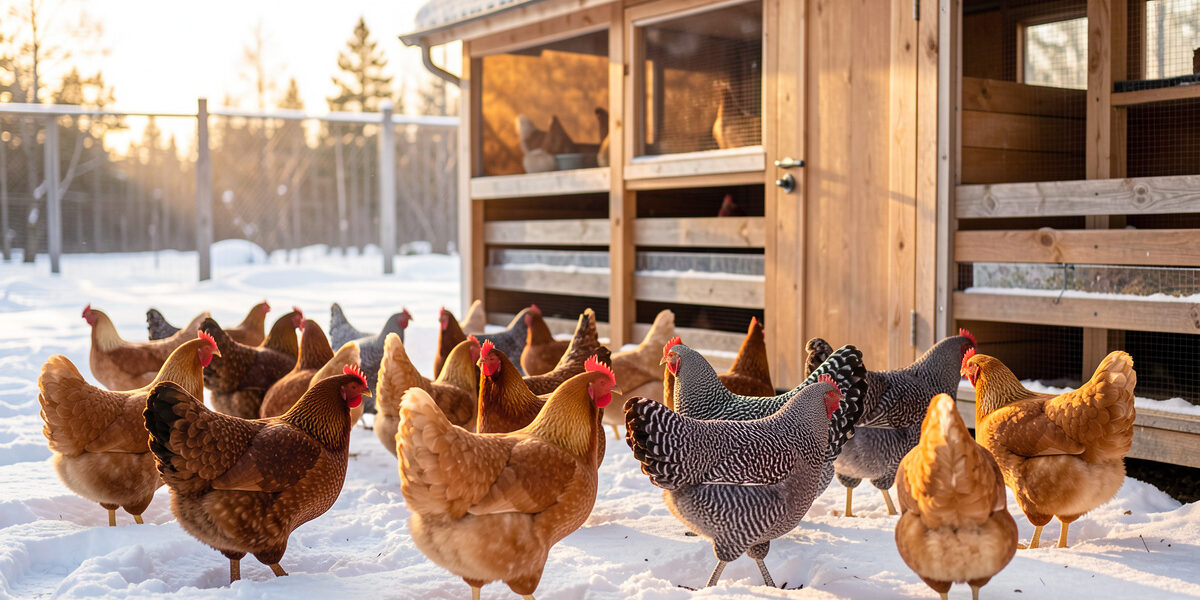
Dual-purpose chicken breeds are the ones that earn their keep twice: a hen that lays 200 or more eggs a year and still dresses out as a worthwhile carcass, instead of forcing you to keep a separate laying flock and a separate meat flock. On the cold-hardy flock I run in Sweden, every bird in the coop is dual-purpose for one simple reason — a heavy, feather-dense body lays through a Nordic winter and survives it.
That second half is the part the glossy breed lists skip. A 1.5 kg production hybrid is a brilliant egg machine and a terrible choice at −20 °C. The classic dual-purpose breeds — Orpington, Wyandotte, Australorp, Plymouth Rock, Sussex — sit in the 3–4.5 kg range, which is exactly the mass and feathering that holds body heat and keeps a flock productive when the cheaper birds shut down. This guide is how I pick them, sized around the reality that the coop I built for six now holds ten.
What “Dual-Purpose” Actually Means
A dual-purpose breed is one bred to deliver acceptable performance on both eggs and meat rather than maximum performance on either. In practice that means roughly 180–260 eggs a year from the hens and a cockerel that reaches a usable 2.5–3.5 kg live weight by 16–20 weeks — slower and leaner than a Cornish Cross meat bird, but a real bird that can also breed and forage.
The trade-off is honest. You will never out-lay a Leghorn or a commercial brown-egg hybrid with an Orpington, and you will never out-grow a Cornish Cross broiler with a Sussex cockerel. What you get instead is one flock that does a competent job of everything, holds its condition through hard weather, and stays useful for years rather than burning out in an 18-month laying sprint. For a backyard keeper who does not want two separate setups, that versatility is the whole point.
The Dual-Purpose Breeds I Actually Keep and Recommend
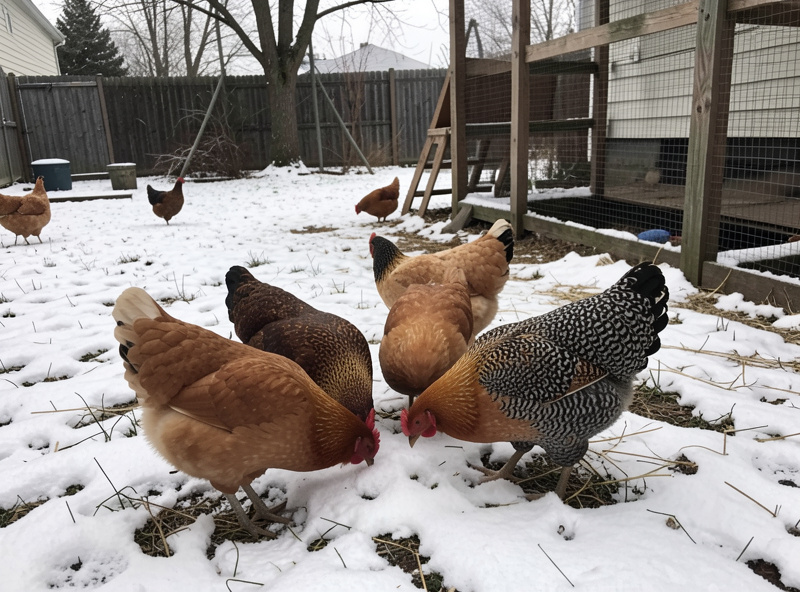
Across the cold-hardy laying flock I run, the standouts are the heavy, small-combed soft-feather breeds. Each one I keep for a specific reason, and none of them is a compromise I regret in winter. All five are recognized standard breeds in the American Poultry Association Standard of Perfection, which is the type I breed mine against.
Orpington
The Buff Orpington is the breed I push hardest on first-time keepers in cold country. It is a big, loose-feathered bird — hens around 3.6 kg — laying roughly 180–200 light-brown eggs a year, and it is calm to the point of being a doormat. That feather volume traps a remarkable amount of air, which is exactly what you want when the waterer is fighting to stay liquid. The downside is the same loose feathering invites mites, so the dust bath and a monthly check under the vent are not optional.
Australorp
If you want the dual-purpose breed that leans hardest toward eggs, it is the Australorp. The breed holds the historic laying record — a documented 364 eggs in 365 days under trial conditions a century ago — and a backyard hen will still give you 250–280 brown eggs a year while carrying a 3–3.5 kg dual-purpose frame. Tight black feathering and a smallish single comb make it more cold-tolerant than its glossy look suggests. This is the bird I reach for when someone wants winter eggs without going to a fragile production hybrid.
Wyandotte
The Wyandotte is my pick for the coldest, draftiest setups, and the reason is the comb. It carries a tight rose comb that sits close to the head with almost nothing to freeze — a single-combed breed loses comb tips to frostbite long before a Wyandotte does. Hens run 3–3.5 kg and lay 180–240 brown eggs a year. Silver-Laced and Blue-Laced Red are the showy ones, but every color lays the same. For pure cold survivability in a dual-purpose package, this is the breed.
Plymouth Rock and Sussex
The Barred Plymouth Rock and the Speckled Sussex are the workhorses I round a mixed flock out with. Both are friendly, hardy, steady 200–250-egg layers in the 3–3.5 kg class, and both forage hard, which trims the feed bill in the months the run is not frozen. The Sussex in particular is curious and confident without being flighty — a good buffer bird that keeps a mixed flock calm.
Egg Output vs Carcass: The Numbers That Matter
When keepers ask me to rank dual-purpose breeds, I push back — the right answer depends on whether you lean toward the egg basket or the table. Here is how the breeds I keep actually compare on the figures that drive the decision, using typical backyard performance rather than trial-record outliers.
| Breed | Hen weight | Eggs/year | Egg color | Comb type | Cold-hardy? |
|---|---|---|---|---|---|
| Orpington | 3.6 kg | 180–200 | Light brown | Single | Excellent |
| Australorp | 3.2 kg | 250–280 | Brown | Single (small) | Very good |
| Wyandotte | 3.3 kg | 180–240 | Brown | Rose | Excellent |
| Plymouth Rock | 3.4 kg | 200–250 | Brown | Single | Very good |
| Sussex | 3.2 kg | 200–250 | Cream/brown | Single | Very good |
Read that table by comb type as much as by egg count if you keep birds anywhere it freezes. The rose-combed Wyandotte and the small-combed Australorp will carry their wattles and comb tips through a winter that nicks the big single comb of an Orpington cockerel. Moisture in the coop — not the cold itself — is what actually frostbites a comb, which is why ventilation matters more than heat, a point I get into in the ventilation versus draft guide.
Why Dual-Purpose Birds Win in Cold Climates
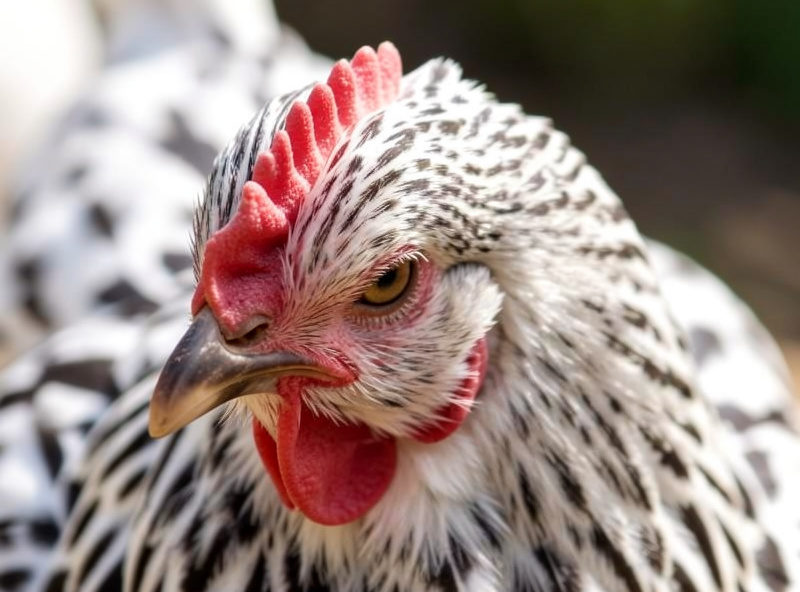
The single biggest reason I keep only dual-purpose breeds is thermal mass. A 3.5 kg hen has a far better surface-area-to-volume ratio than a 1.5 kg layer, loses heat more slowly, and roosts through nights that would put a light Mediterranean breed into stress. Pair that body with dense soft feathering and a tight comb, and you have a bird engineered — by a century of breeders — to keep working when it is cold.
None of that removes the keeper’s job. Even the hardiest dual-purpose flock needs a coop that dumps moisture without drafting the roost, and a waterer that does not freeze solid by 7 a.m. On my setup the waterer runs on a thermostatic base wired into a freeze-watch automation, and the auto-door opens on a sunrise offset rather than a dumb clock so the birds are not let out into the coldest, darkest part of the morning. The breed gives you the hardware; the coop and the automation keep it alive.
Sizing the Flock: The Chicken-Math Trap
Here is the mistake I made and watch every new keeper make: you build for the flock you plan, not the flock you end up with. The coop I built for six holds ten, because dual-purpose breeds are charming, broody hens hatch surprises, and “just two more” is a sentence every keeper says. Plan your roost and floor space for at least 50% more birds than you intend to start with.
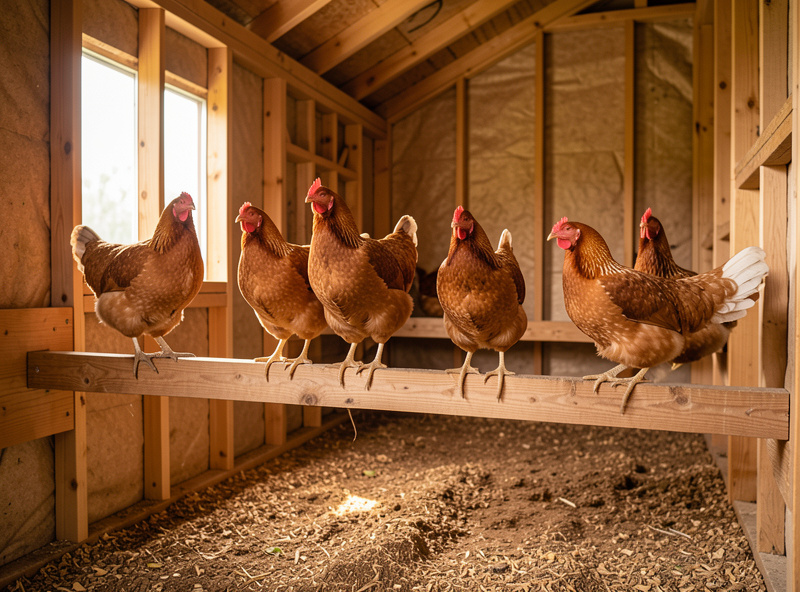
For these heavy breeds, budget a minimum of 0.35–0.4 m² of coop floor per bird and 25–30 cm of roost bar each — more than a bantam or a light layer needs, because a 3.5 kg Orpington takes up real space and will not tolerate crowding without feather-picking. Undersizing the coop is the root cause of half the behavior problems keepers blame on breed temperament. Get the space right and these calm breeds stay calm.
Feeding a Dual-Purpose Flock
Dual-purpose breeds do best on a standard layer ration of around 16% protein once they reach point of lay, with free-choice crushed oyster shell on the side for shell quality. They are enthusiastic foragers, so in the months my run is not under snow, pasture and kitchen scraps meaningfully cut the feed bill — one of the quiet advantages of a hardy heritage-type bird over a confinement hybrid.
If you are raising cockerels for the table, switch the growing birds to a higher-protein grower feed (18–20%) until processing weight rather than keeping them on layer feed, which carries calcium levels too high for non-laying birds long term. For the full ration breakdown by age and stage, the feeding and nutrition guide has the protein math, and the protein-by-age guide covers the switch points.
Dual-Purpose vs Production Hybrids: Why I Stopped Buying Hybrids
I have run production brown-egg hybrids, and I do not anymore. On paper a hybrid wins — 300-plus eggs in the first year, less feed per egg, point of lay at 18 weeks. In a Swedish winter the paper advantage collapses. The light frame chills fast, the laying drops off hard in short daylight unless you push supplemental light, and the bird tends to burn through its laying life in 18–24 months before fading or running into reproductive trouble.
A dual-purpose hen gives me fewer eggs per year but spreads them across four or five productive seasons, keeps laying further into the cold than the hybrid does, and stays a robust, foraging, breedable bird the whole time. Over the life of the flock the heavier heritage-type breed is the better economics and far less heartbreak. The hybrid is built for a battery shed on a 14-month cycle; the dual-purpose bird is built for a backyard that runs for years. That is the trade I make, and the one I would make again.
A Note on Health
Dual-purpose breeds are hardy, but hardy is not invincible. Heavy loose-feathered breeds like the Orpington are more prone to external parasites, and any large-bodied hen can be predisposed to issues a lighter bird shrugs off. I treat coop hygiene, a good dust bath, and routine under-feather checks as husbandry basics — but anything beyond that is a vet call. If a bird is lethargic, off its feed, or showing respiratory signs, that is a question for an avian vet, not a breed guide. I keep the flock; I do not diagnose it.
Frequently Asked Questions
What is the best dual-purpose chicken breed for beginners?
The Buff Orpington is the easiest dual-purpose breed for beginners: calm, very cold-hardy, and forgiving of handling mistakes. Hens lay 180 to 200 eggs a year and carry a 3.6 kg body that doubles as a meat carcass.
How many eggs do dual-purpose hens lay per year?
Most dual-purpose breeds lay between 180 and 280 eggs a year. Australorps lead the group at 250 to 280, while heavier breeds like the Orpington sit around 180 to 200, trading egg count for body size and cold hardiness.
Are dual-purpose chickens good for cold climates?
Yes. Their 3 to 4.5 kg bodies and dense feathering hold heat far better than light layers. Rose-combed breeds like the Wyandotte resist comb frostbite, making them the strongest dual-purpose choice for sub-zero winters.
How long until a dual-purpose cockerel reaches meat weight?
A dual-purpose cockerel reaches a usable 2.5 to 3.5 kg live weight at roughly 16 to 20 weeks. That is slower and leaner than a Cornish Cross broiler, but the bird can also forage and breed, which a commercial broiler cannot.
Can you keep dual-purpose hens just for eggs?
Absolutely. Many keepers, including me, run a dual-purpose flock purely for eggs and never process a bird. You give up some peak laying versus a production hybrid in exchange for hardier, longer-lived hens that handle winter well.
Related Guides
- Chicken Breeds: Complete Comparison Guide
- Best Chicken Breeds for Backyards
- Best Egg-Laying Chicken Breeds
- Cold-Hardy Chicken Breeds for Northern Climates
- Raising Meat Chickens: The Complete Guide
Related Guides
How to Choose Chicken Breeds: A Keeper Decision Guide
Learning how to choose chicken breeds is really a requirements exercise, not a beauty contest. Before you look at a…
Heritage Chicken Breeds Compared: A Keeper Guide
A heritage chicken breeds comparison comes down to three things most lists never separate: a true heritage breed mates naturally,…
Bantam Chickens for Small Spaces: Best Small Breeds
Bantam chickens for small spaces are the answer when you want a real flock but have a courtyard instead of…