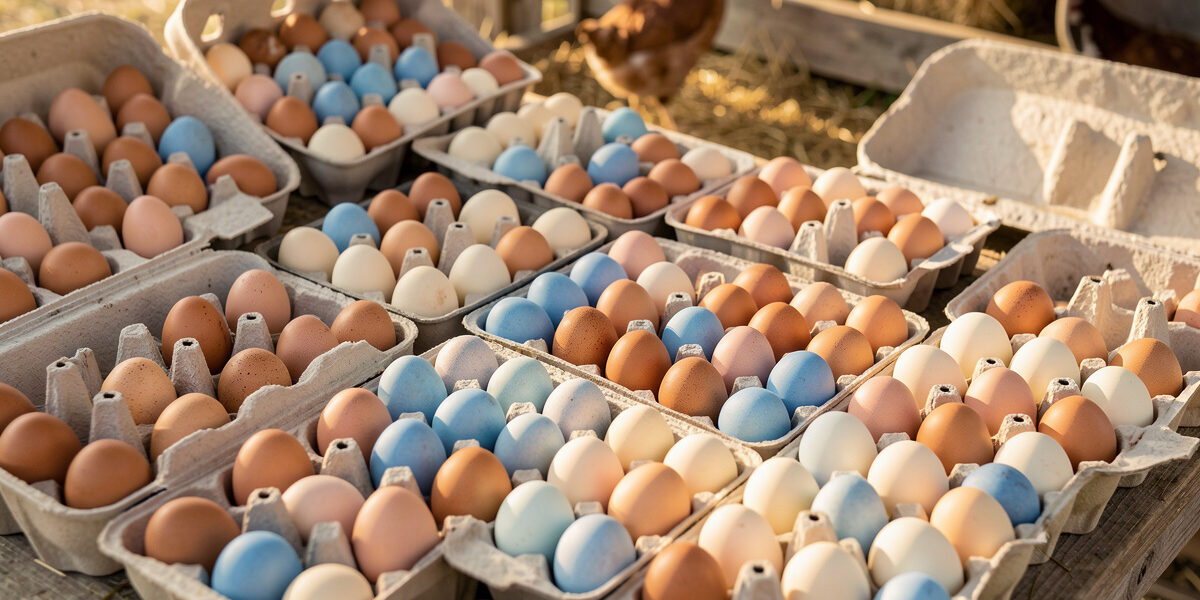
Yes, you can almost certainly sell backyard eggs from a small flock, but the rules, washing, grading, and cartoning all sit downstream of one decision: how seriously you handle the egg between the nesting box and the buyer. In most places a small keeper can legally sell ungraded eggs direct to neighbors; the friction starts when you scale up or cross into farmers markets and stores.
I run a cold-hardy flock in Sweden out of a coop I built and automated end to end, and the eggs were never the point of the build — they’re the by-product that piles up on the counter faster than two adults can eat them. This guide is the whole egg-handling chain I actually use: collecting and cooling, the wash-or-don’t-wash question, grading and sizing, cartons and labels, storage for both the short and long haul, and what to cook when you’re drowning in them. Selling is the last link, and it’s the one most people get backwards by leading with money instead of food safety.
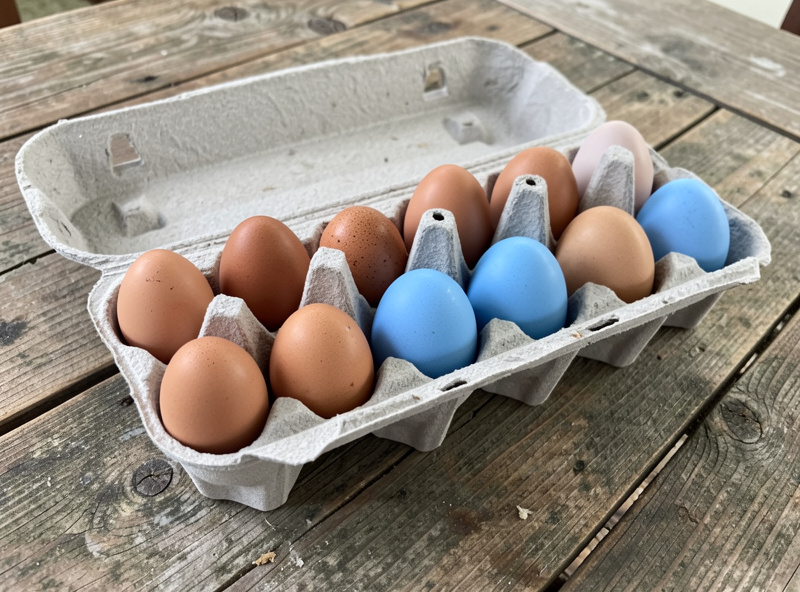
Should You Even Sell Your Eggs? The Honest Reality
For a backyard flock, selling eggs is a way to offset feed, not a business. A handful of hens in a well-run coop will out-lay a small household for most of the year, and selling the surplus mostly recovers part of what the birds cost to keep. That is the right frame — anyone selling you a “make money with chickens” pitch has never priced organic layer feed in winter.
Once you accept that, the decisions get easier. You’re not optimizing margin; you’re moving a perishable food product responsibly to people who’ll thank you for it. The keepers who run into trouble — refunds, sick buyers, an annoyed county inspector — almost always cut a corner on handling or labeling to save a few minutes, not because they were trying to scale a profit. Treat the eggs like food first and the “selling” part becomes almost boring, which is exactly what you want.
If your flock isn’t producing enough surplus to bother, that’s a different problem upstream. I cover that in the complete guide to increasing egg production and the specifics of keeping hens laying through winter, when daylight drops and so does the count.
Know the Law Before You Sell a Single Carton
Egg-selling rules are some of the most jurisdiction-specific regulations in all of backyard poultry — they vary by country, by US state, and sometimes by county. There is no universal answer, and anyone who gives you one is wrong. The framework, though, is consistent: small direct-to-consumer sales are usually lightly regulated, and the requirements ramp up as you add hens, sales channels, and grading claims.
In the United States, for example, the FDA’s shell-egg safety rule (21 CFR Part 118) kicks in at flocks of 3,000 or more laying hens — far beyond any backyard setup — while smaller producers fall under a patchwork of state agriculture rules covering candling, labeling, refrigeration, and where you’re allowed to sell. Selling at the farm gate is almost always the most permissive; farmers markets and retail are where licensing, grading, and inspection usually start. Because the details genuinely matter and change, I keep the full breakdown in the dedicated guide to selling backyard eggs legally, and the single most important sentence in it is this: call your state or local department of agriculture before you sell, not after.
Collection and Handling: It Starts at the Nesting Box
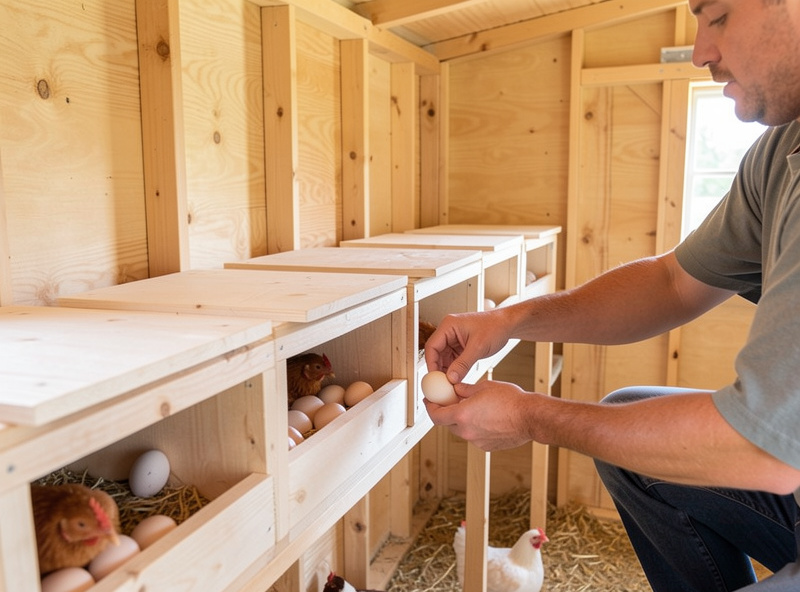
Clean eggs start with a clean nesting box, not a sink. The egg leaves the hen with a natural antimicrobial coating called the bloom (or cuticle) that seals the porous shell against bacteria. Every handling decision after that is really about protecting or removing that bloom. If your boxes are clean and bedded deep, most eggs come out clean and you never have to make the wash decision at all.
Collect at least twice a day — more in extreme heat or hard freeze. In a Nordic winter an egg left in the box past mid-morning can crack from freezing, and a frozen egg is a compromised egg. In summer the opposite risk applies: an egg sitting in a warm box is already starting to age. The single biggest upgrade I made here was switching part of the flock to roll-away nesting boxes, which drop the egg out of reach of muddy feet and curious beaks the moment it’s laid. Cleaner eggs, fewer breakages, less washing — the whole downstream chain gets easier.
Handle eggs with dry hands, set them pointed-end down in a carton or flat, and get them cool. Cooling is the real preservation lever, and it’s covered in depth below. In practice I let the morning’s eggs settle to room temperature on the counter, then move the keepers I am not selling unwashed into the fridge by evening; the ones going to neighbours unwashed sit in a cool pantry around 12–14°C. The mistake I made my first summer was leaving a full day’s collection in a sun-warmed coop until afternoon — by the time I candled them that evening the air cells had already grown, and eggs that should have been two-week keepers were barely good for one. Heat ages an egg faster than anything short of cracking it.
To Wash or Not to Wash
This is the most argued-about question in egg handling, and the honest answer is: it depends on where you live and how you’ll store them. Washing removes the bloom, which means a washed egg must be refrigerated and used sooner; an unwashed egg with its bloom intact keeps far longer and, in much of Europe, is legally sold unrefrigerated. The United States washes and sanitizes commercially and then refrigerates by law; most of the EU does the opposite.
For a backyard seller the practical rule is simple. Keep your boxes clean so most eggs need nothing. Dry-brush off the occasional speck. Only wet-wash the genuinely dirty ones, do it correctly with water warmer than the egg, and refrigerate those immediately. Getting this wrong — washing in cold water, which draws bacteria in through the pores — is one of the few egg mistakes that can actually make someone sick. The full method, including water temperatures and what to never do, is in the guide to cleaning and washing fresh eggs.
Grading and Sizing for Sale
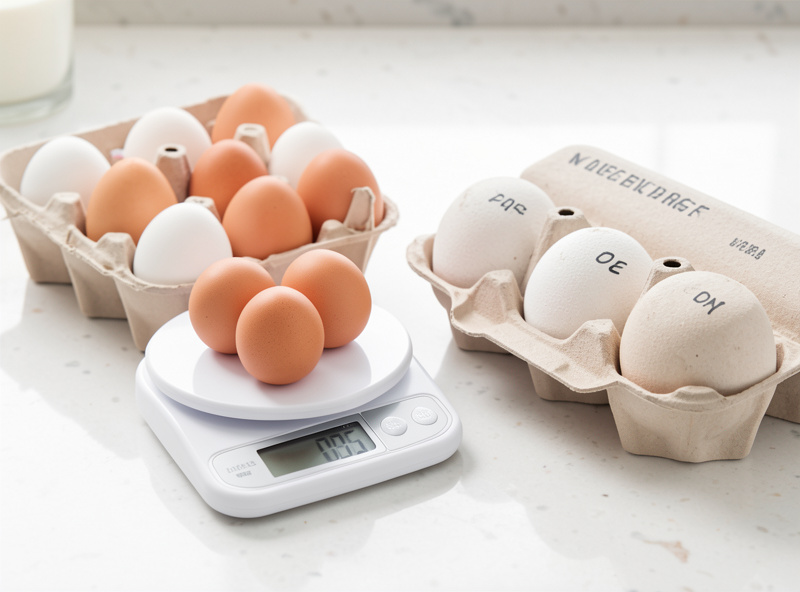
You don’t need USDA grading to sell eggs at a small scale — that’s a voluntary federal program — but understanding the grading logic makes you a better seller and keeps you honest on the label. Grading is about two things: quality (candling for cracks, blood spots, and air-cell size) and weight class (how you size a carton consistently). A carton of wildly mismatched eggs looks amateurish; a uniform dozen looks like you know what you’re doing.
A cheap kitchen scale and a candling light are the only tools you need. I keep a small digital egg scale by the wash station to sort into weight classes, and I candle anything I’m unsure about. The full sorting workflow — what disqualifies an egg, how the weight classes break down, and how to candle quickly — lives in the guide to grading backyard eggs. If you’ve never candled, the technique is the same one used for candling hatching eggs, just looking for different things. My own flock throws a genuinely wide spread — the young Easter Egger pullets drop 40–45 g eggs the same morning a mature Orpington lays a 70 g monster — so sizing is not optional if I want a carton that looks deliberate. Sorting a day’s basket by eye and weighing only the borderline ones takes me about two minutes once it is habit.
As an Amazon Associate I earn from qualifying purchases.
Cartons, Labels, and Looking Legitimate
The carton is your packaging, your brand, and in many places part of your legal compliance all at once. Used cartons are a grey area — reusing someone else’s branded carton without removing their branding can be a labeling violation, and many regions require that egg cartons carry specific information: your name and address, a pack or lay date, a “keep refrigerated” line, and sometimes a “ungraded” statement if you haven’t graded to a standard.
Plain blank cartons solve most of this cheaply. A simple stamp or sticker with your details turns a generic carton into something that looks intentional and stays compliant. You don’t need a logo designer; you need accurate information and consistency. The full breakdown of what to put on a label, what’s legally required versus what just looks good, and where to source blank cartons is in the guide to egg cartons and branding for sellers. Blank pulp egg cartons are inexpensive in bulk and the cleanest starting point.
Storing Eggs for Freshness
An egg’s shelf life is set by two things: whether it’s washed, and how cold it’s kept. An unwashed, refrigerated backyard egg comfortably keeps for weeks — far longer than the date on a supermarket carton, which is counting from when that egg was already days old at packing. Cooler temperature slows the loss of moisture and carbon dioxide through the shell, which is what aging an egg really is. As a rough gauge from my own fridge, an unwashed egg kept at 4°C is still excellent at three to four weeks and perfectly usable beyond that; the float test, not the calendar, is what I trust for the final call. A washed egg I would want used inside two weeks.
Store pointed-end down to keep the yolk centered and the air cell stable, keep them away from strong-smelling food because the shell is porous, and don’t wash until just before use if you’re keeping them unwashed. The complete short-term system — fridge versus counter, washed versus unwashed, and the float test for checking an older egg — is in the guide to storing fresh eggs from backyard chickens.
When the flock out-produces even what you can sell, you move into preservation: freezing, water glassing, dehydrating, and freeze-drying can carry eggs from a spring glut into a winter shortage. That whole long-haul toolkit is its own guide on storing fresh eggs long term.
Cooking With a Glut of Fresh Eggs
Selling handles the surplus you can move; cooking handles the rest. Genuinely fresh eggs behave differently in the kitchen, and the most famous quirk catches everyone: a very fresh egg is miserable to peel after hard-boiling because the bloom hasn’t yet let air in to separate the membrane from the shell. The fix is to deliberately use your oldest eggs for boiling and your freshest for frying and poaching, where a tight, fresh white holds its shape beautifully.
A fresh-egg kitchen also rewards the big-batch recipes — quiche, frittata, custards, fresh pasta, meringue — that turn a dozen surplus eggs into something worth the abundance. The full breakdown of how fresh eggs behave and what to do with them is in the guide to cooking with fresh farm eggs. And if you’re curious why the yolks look so different from store eggs, that’s covered in the backyard egg nutrition guide.
Where to Sell: Channels Compared
Once handling is sorted, the only real question is channel — and they trade off convenience against regulation and reach. The farm gate is the simplest and most permissive; a market stall reaches more buyers but usually triggers licensing and grading rules; retail is the most demanding. Most backyard keepers never get past the first column, and that’s fine.
| Channel | Typical Regulation | Reach | Effort | Best For |
|---|---|---|---|---|
| Farm gate / driveway | Lightest; often exempt for small flocks | Neighbors only | Low | First-time sellers, small surplus |
| Workplace / word of mouth | Light; same as direct sale | Modest, reliable | Low | Steady weekly surplus |
| Farmers market stall | Licensing, grading, labeling usually required | High | Medium-High | Larger, consistent flocks |
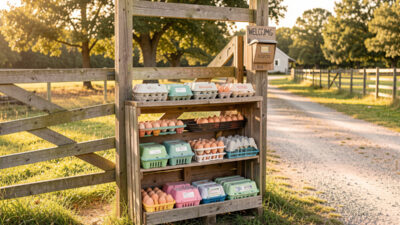
| Honor-system roadside stand | Varies; labeling and refrigeration rules apply | Local traffic | Medium | Rural roadside locations |
| Retail / grocery | Heaviest; inspection and grading | Highest | High | Commercial-scale only |
On pricing, keep your expectations grounded. Backyard eggs sell at a premium over commodity supermarket eggs because they’re fresher and the yolks are better, but the right price is the one that covers a meaningful share of your feed and carton cost while staying friendly to the neighbors who are really doing you a favor by taking the surplus. Lead with the product, not the markup.
Egg Safety: The Non-Negotiables
Whatever channel you sell through, a handful of food-safety basics are not optional, because they’re what every regulation is ultimately protecting. Sell only clean, sound eggs — never a cracked, leaking, or visibly dirty shell, since a compromised shell is a direct route for bacteria. Cool eggs promptly after collecting; heat is what ages an egg fastest and gives anything on the shell a chance to multiply. If you wash, refrigerate from that point on. And give your buyers the information they need to handle the eggs safely, which is exactly what a proper label does.
None of this is onerous once it’s habit. The keepers who get into trouble almost always skipped cooling on a hot day, sold a hairline-cracked egg they “didn’t notice,” or reused a filthy carton. Treat the egg as food from the moment it leaves the hen and the safety side takes care of itself. If you ever have a buyer report an off egg, take it seriously, pull that batch, and review your handling — a reputation for clean eggs is the only marketing a backyard seller actually needs. I learned that the boring way: the one time a neighbour mentioned an egg that smelled off, I pulled the whole batch, traced it to a hairline-cracked egg I had cartoned in a hurry, and went back to candling every questionable shell. She is still a weekly customer years later, which tells you that taking it seriously costs you nothing and saves you everything.
The Seasonal Reality of a Laying Flock
Selling backyard eggs is a seasonal business whether you want it to be or not. Hens lay hardest in spring and summer when daylight is long, and production drops sharply in the short days of late autumn and winter unless you supplement light — a trade-off I weigh in the guide to winter egg laying. That means you’ll have a glut to move in June and a shortage to apologize for in December, and managing buyer expectations around that rhythm matters more than any pricing trick. On my own flock the swing is brutal: through June I am giving eggs away to stop them stacking up, and by late December, with barely six hours of Swedish daylight, even a supplemented coop drops to a few eggs a week. I tell standing customers this in autumn — a neighbour who knows the December slump is coming waits it out; one blindsided by an empty carton quietly finds another source.
The smart play is to use the surplus months to build goodwill — reliable cartons, fair handling — and to preserve some of the glut so you’re not completely empty in the dark months. It’s also worth knowing why a slump is happening: a sudden drop can be seasonal, but it can also signal a molt, a stressor, or a flock past its productive prime, all covered in why hens stop laying. A seller who understands their own production curve sets honest expectations, and honest expectations are what turn a one-time neighbor into a standing weekly order.
Putting the Whole Chain Together
Every link in this chain protects the one before it. A clean nesting box means less washing; less washing means a longer-keeping egg; a longer-keeping egg means more flexibility in how and when you sell or cook it; honest grading and labeling mean a buyer who comes back. The keepers who treat egg handling as one connected system — the same way I treat the coop itself as one connected machine — end up with better eggs and zero drama, whether they sell two dozen a week or never sell at all.
Start with collection and storage, get the wash decision right for your climate, and only then worry about cartons and channels. The selling part is the easy bit once the food-safety chain underneath it is solid.
Frequently Asked Questions
Do I need a license to sell backyard eggs?
It depends entirely on your location and scale. Small direct-to-consumer sales at the farm gate are often exempt or lightly regulated, while farmers markets and retail usually require licensing, grading, and labeling. Contact your state or local department of agriculture before selling.
Should I wash eggs before selling them?
Only wash genuinely dirty eggs, and use water warmer than the egg, never cold. Washing removes the protective bloom, so washed eggs must be refrigerated and used sooner. Keeping nesting boxes clean means most eggs need no washing at all.
How long do backyard eggs last?
An unwashed, refrigerated backyard egg keeps for several weeks, often longer than supermarket eggs because it has not lost days of freshness before packing. Washed eggs keep a shorter time. Store pointed-end down and away from strong-smelling foods.
Can I make money selling backyard eggs?
For a small flock, selling eggs offsets feed and carton costs rather than turning a profit. The realistic goal is recovering part of what the birds cost to keep. Anyone framing backyard eggs as a money-making business has not priced layer feed.
Do I have to grade my eggs to sell them?
USDA grading is a voluntary program, so small direct sellers generally do not need to grade. However, you must label ungraded eggs accurately, and you should still candle for cracks and sort by size so each carton is uniform and honest.
Can I reuse egg cartons from the store?
Reusing branded cartons without removing the original branding can be a labeling violation in many regions. Blank pulp cartons are inexpensive and let you add your own compliant label with your name, a pack date, and a keep-refrigerated note.
Related Guides
Related Guides
How to Sell Backyard Eggs Legally
In most places, a small backyard keeper can legally sell ungraded eggs directly to consumers — at the farm gate,…
Egg-Bound Hen: Signs, Risk Factors, and Prevention
An egg-bound hen has an egg stuck in her oviduct that she cannot pass. It is a serious, time-sensitive situation…

Double-Yolk Eggs: Causes, Safety, and Hatching
A double-yolk egg happens when a hen releases two yolks close together and both get wrapped in one shell. It…