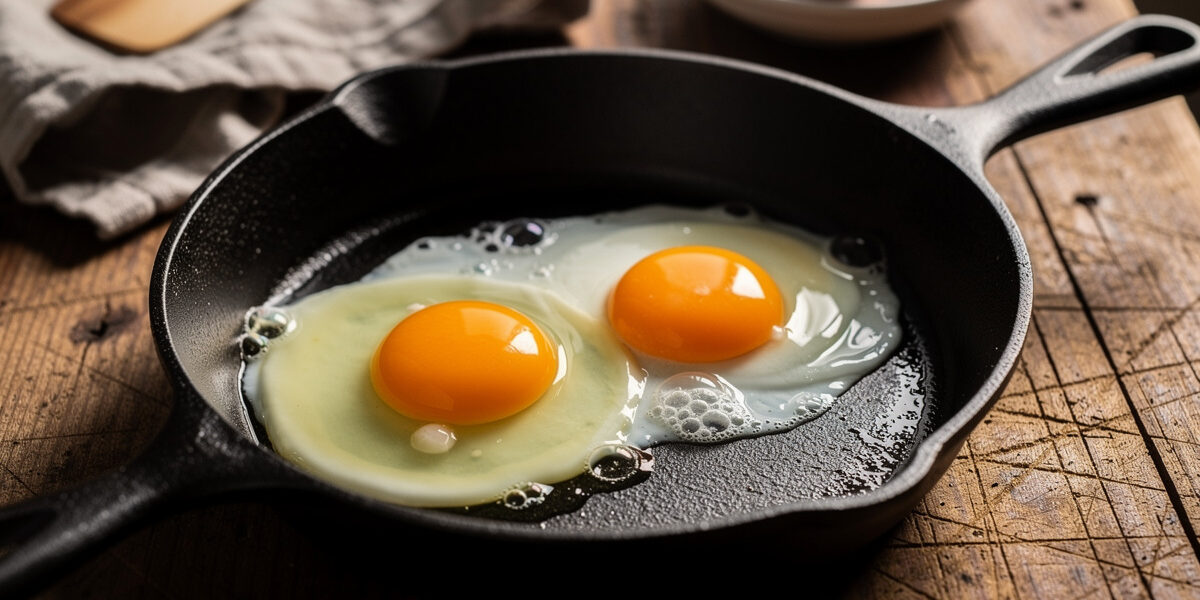
A double-yolk egg happens when a hen releases two yolks close together and both get wrapped in one shell. It is a timing hiccup in the ovary, most common in young hens just coming into lay — harmless, perfectly safe to eat, and for most keepers a fun surprise rather than a problem.
I get a run of double-yolkers every spring when my new pullets first hit point of lay, and almost none from the mature hens once their cycle settles. They are one of the small delights of keeping your own flock — you crack what looks like an oversized egg and two suns slide into the pan. But they also raise real questions: are they safe, why does it happen, can they hatch twins, and is something wrong with the hen? Here is everything I have learned watching my own birds produce them, with the genuine biology behind each answer.
What Causes a Double Yolk
A double yolk forms when a hen’s ovary releases a second yolk before the first has finished travelling down the oviduct. The two yolks end up in the same shell. It is a release-timing glitch, most common when a young hen’s reproductive system is still finding its rhythm and occasionally over-fires.
To understand it you have to picture the assembly line. A hen ovulates a yolk, which then moves down the oviduct picking up the white, membranes, and shell over about 24 to 26 hours. Normally the next yolk is not released until the first is well on its way. In a young hen whose hormonal timing is not yet dialled in, two yolks can drop close together and get packaged as one. The same occasionally happens at the other end of life, or as a one-off in any hen, but the overwhelming pattern is young birds in their first weeks of lay. It is not a deficiency, not an illness, and nothing you fed her — it is hardware finding its timing.
Which Hens Lay Double Yolks
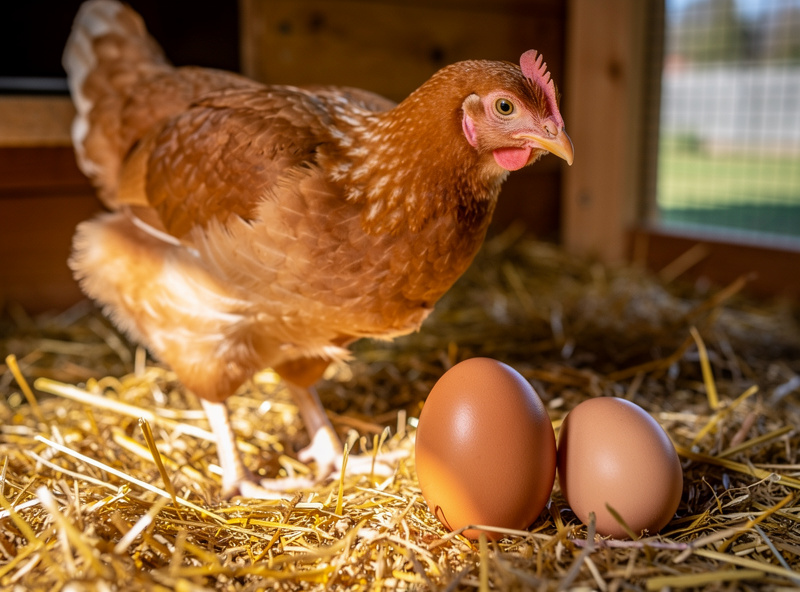
Double yolks come mostly from pullets in their first month or two of laying, and disproportionately from heavy production breeds — sex-links, ISA Browns, and other hybrids bred for high output. There is also a genetic streak: some hen lines simply double-yolk more often than others, and a hen that lays one is likelier to lay more.
If you keep production hybrids, expect a flurry of double-yolkers as your pullets start up — these birds were selected for laying volume, and the same hard-driving reproductive system that fills the basket also over-fires more readily early on. My cold-hardy heritage-leaning birds (Wyandottes, Orpingtons, Australorps) throw the occasional one but nothing like a pen of sex-links. Breed genuinely sets the tendency, the same way it sets laying rate overall — I rank the heavy layers and what to expect from each in the best egg-laying chicken breeds roundup. Age is the other big factor: as a pullet’s cycle matures over her first few months, the double-yolks usually taper to the occasional novelty.
Who Lays Double Yolks, and How Often
Here is the pattern I see across my own flock and what drives it. The likelihood is really about reproductive maturity crossed with breed.
| Hen Type | Double-Yolk Likelihood | Why |
|---|---|---|
| Pullet, first 1–2 months of lay | Highest | Hormonal timing not yet settled; ovary over-fires |
| Mature hen in peak lay | Low | Cycle is regular; release timing is dialled in |
| Older hen winding down | Occasional | Timing can slip again late in life |
| Production hybrid / sex-link | Elevated | Bred for high output; reproductive system runs hard |
| Heritage / dual-purpose breed | Lower | Steadier, more moderate laying genetics |
| Bantam | Rare | Small frame and lower output; less over-firing |
None of these mean anything is wrong. A double yolk is the reproductive equivalent of a stutter on startup — common in a new engine, rarer once it is running smoothly.
Are Double-Yolk Eggs Safe to Eat?
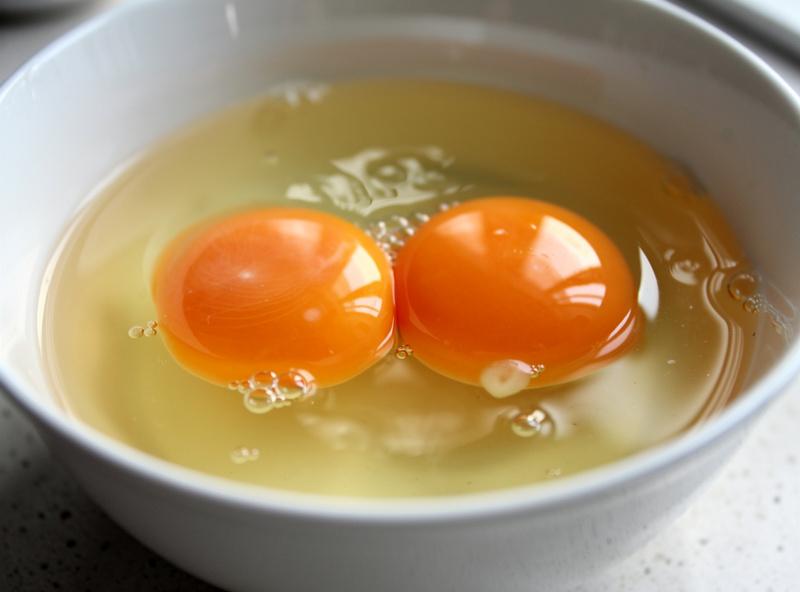
Yes — completely. A double-yolk egg is just an egg with extra yolk; nothing about it is unsafe, and many people consider them a treat (more rich, golden yolk per egg). They cook and taste exactly like a normal egg, with a richer ratio of yolk to white. There is no reason to discard one.
The only practical notes are about size and storage. Double-yolkers are noticeably larger and heavier than the hen’s normal egg, which is why they often will not fit a standard carton slot — I keep a few jumbo egg cartons on hand for the big ones. Store and handle them exactly like any fresh egg; the bloom and the float test apply just the same, which I cover in the fresh egg storage guide. Nutritionally you are simply getting more yolk — more of the fat-soluble vitamins and the colour that comes from a good forage diet, which is the whole backyard-egg advantage I break down in the health benefits of backyard eggs.
Disclosure: SmartCoopHQ is reader-supported. As an Amazon Associate I earn from qualifying purchases made through links in this article, at no extra cost to you. I only point to gear I actually use or would buy for my own coop.
Can Double-Yolk Eggs Hatch Twins?
Almost never successfully. While a double-yolk egg can technically start two embryos, the single shell does not give two chicks enough room, shell membrane, or air-cell capacity to develop and hatch. The overwhelming outcome is that neither survives. Experienced hatchers do not set double-yolk eggs for this reason.
It is a romantic idea — twin chicks from one egg — but the biology is stacked against it. Two embryos competing inside a space built for one typically run out of room and oxygen well before hatch, and the rare cases that make it to pipping almost always fail because the chicks cannot position themselves to break out. So a double-yolker is for the frying pan, not the incubator. If you do hatch, set normal single-yolk eggs and candle them on the standard schedule — I walk through reading development in my guide to candling eggs, and you can sometimes spot a suspected double-yolker with a bright LED egg candler by its two distinct yolk shadows before you ever crack it.
When a Big or Odd Egg Is Worth a Look
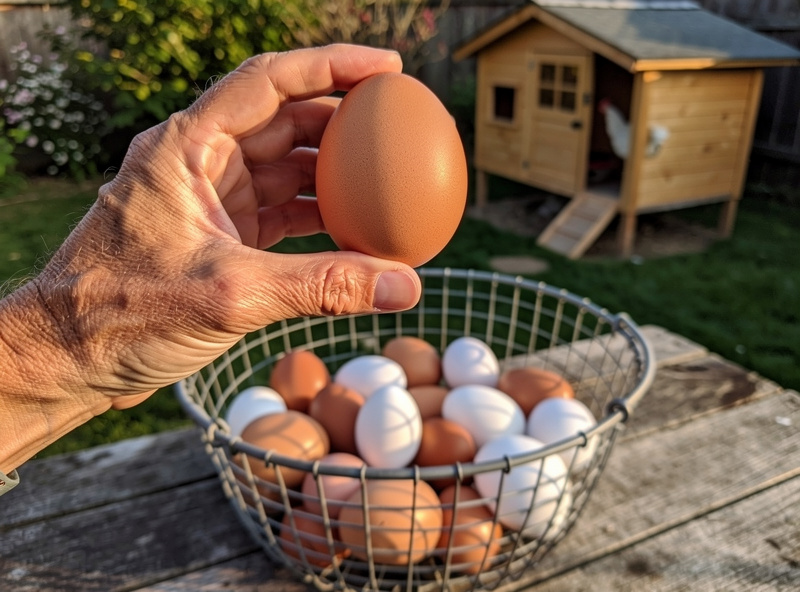
A double yolk now and then is nothing to worry about. What is worth attention is a hen straining repeatedly to pass very large eggs, or a sudden run of shell-less, misshapen, or stuck eggs alongside a bird that seems unwell. Those are different problems — possible binding or a calcium issue — not the harmless double yolk.
The reassuring rule: a healthy, active hen laying the occasional oversized double-yolker is fine, full stop. But because double-yolkers are large, a young hen who consistently produces them is passing big eggs, and big eggs lean harder on her calcium and her plumbing. Keep free-choice crushed oyster shell available so shells stay strong, and watch a habitual large-egg layer for any sign of straining. If a hen looks distressed, is straining without producing, goes off her feet, or seems genuinely unwell, that is past husbandry and into veterinary territory — see an avian vet rather than treating it yourself. A general drop in laying, by contrast, is almost always one of the ordinary causes I cover in why hens stop laying, and the whole production picture lives in the complete egg production guide.
Frequently Asked Questions
What causes double-yolk eggs?
A hen releases a second yolk before the first finishes moving down the oviduct, so both end up in one shell. It is a release-timing glitch, most common in young hens whose reproductive cycle has not yet settled into a steady rhythm.
Are double-yolk eggs safe to eat?
Yes, completely. A double-yolk egg is simply an egg with extra yolk. It cooks and tastes like a normal egg with a richer yolk-to-white ratio. Many keepers consider them a treat. There is no reason to discard one.
Which chickens lay double-yolk eggs?
Mostly pullets in their first one to two months of laying, and disproportionately heavy production hybrids like sex-links and ISA Browns. There is a genetic element too, so a hen that lays one double-yolker is likelier to lay more.
Can a double-yolk egg hatch twins?
Almost never successfully. The single shell does not give two embryos enough room, membrane, or air-cell capacity to develop and hatch. Experienced hatchers do not set double-yolk eggs because the chicks rarely survive to pip and emerge.
Why are my young hens laying double-yolk eggs?
Because their reproductive timing is still maturing. New layers often over-fire and release two yolks close together. It is normal and usually tapers off over their first few months as the laying cycle becomes regular. Nothing is wrong.
Should I worry if my hen lays large or double-yolk eggs?
An occasional double-yolker from an active, healthy hen is harmless. Keep oyster shell available so shells stay strong. Only worry if a hen strains repeatedly without producing, seems distressed, or is unwell, which warrants an avian vet.
Related Articles
Related Guides
Egg-Bound Hen: Signs, Risk Factors, and Prevention
An egg-bound hen has an egg stuck in her oviduct that she cannot pass. It is a serious, time-sensitive situation…

How to Candle Eggs: A Keeper Step-by-Step Guide
Candling an egg means shining a bright, focused light through the shell in a dark room to see what is…
How to Store Fresh Eggs from Backyard Chickens
The single rule that decides how to store fresh eggs is whether you washed them. An unwashed egg keeps its…