How guinea fowl control ticks and pests, plus the keeping reality.
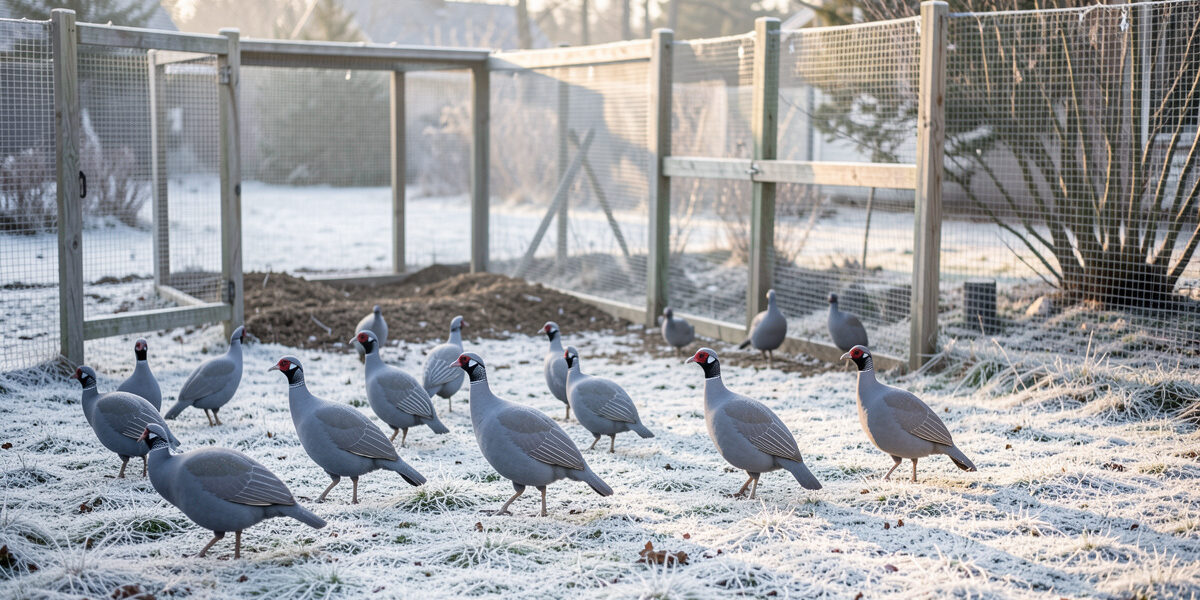
If you want guinea fowl backyard pest control that actually works, keep a small flock that ranges all day eating ticks, beetles, and grasshoppers. They earn their keep on bugs, but they’re loud, semi-wild, and only come home if you train them right.
I keep poultry in Sweden, in a self-built insulated walk-in coop with a welded steel run, half-inch hardware cloth, a buried dig apron, and an auto-door tied into Home Assistant. I’ve run my flock through foxes and -20C nights, so when I talk about guineas I’m talking about birds I’d put in that same run, not birds I read about. They are the best foragers I’ve worked with, and also the most exasperating. Both things are true at once, and most of what’s written about them only tells you the first half.
This is the honest version: what guineas do brilliantly, the one training step that everything hinges on, the downsides that will make your neighbors hate you, and how they fit a cold-climate, camera-covered setup like mine. If you’re new to all of this, start with my backyard poultry guide for the foundations, then come back here for the guinea-specific reality.
What Guinea Fowl Do Best
Guineas are range birds first and foremost. Turn them out in the morning and they walk the property in a loose patrol, heads down, working the grass for anything that moves. Ticks, beetles, grasshoppers, slugs, the larvae living in the thatch — they hoover all of it. And unlike chickens, they don’t scratch. A chicken will demolish a garden bed turning over soil; a guinea walks the surface and picks. That single difference is why people put guineas on a tick problem and leave the chickens in the run.
The tick story is the one that draws most people in, and it’s largely earned. Many keepers credit a flock with clearing a serious tick problem in a single season — I won’t hand you a precise percentage because nobody’s measuring honestly, but the pattern is consistent enough that it’s the main reason guineas exist in modern backyards at all. Given what the CDC documents about tick-borne disease, knocking the tick load down around the house is worth real effort. They’re relentless about it. A flock of a dozen birds covers a remarkable amount of ground in a day, and they keep at it from first light until they roost.
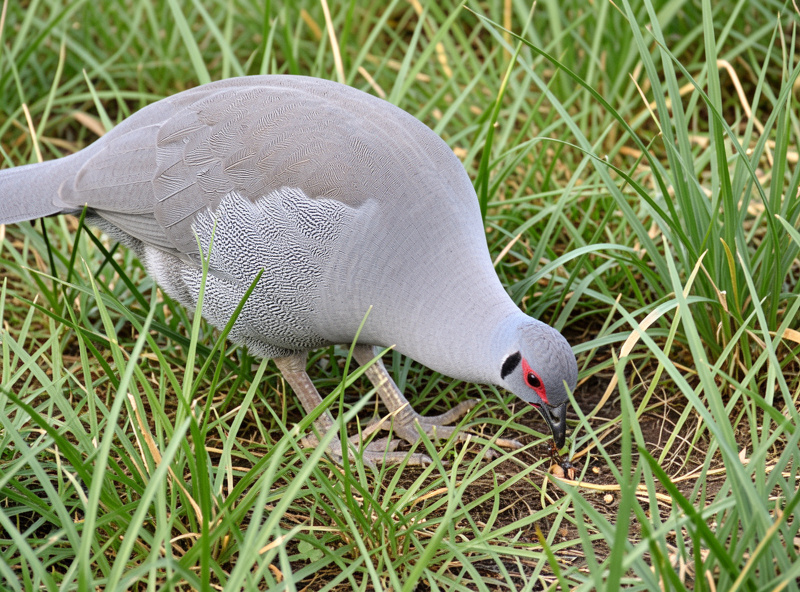
The other thing they’re genuinely good at — and this surprised me — is being a living alarm system. Guineas have a hair-trigger response to anything new in their world. A strange car, a person they don’t know, a cat on the fence, and especially a hawk overhead. My cameras run motion zones over the run and the garden, but the guineas register a hawk before the cameras do. They’ll go off in a wall of noise the instant a shadow crosses, often before I can see what set them off. For predator detection that’s real value. It just comes at a cost, which I’ll get to.
Raising Keets
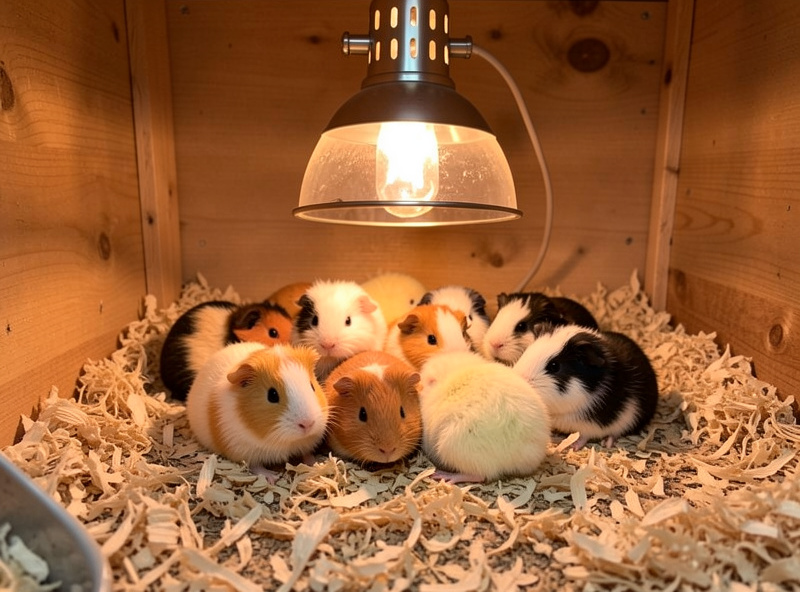
Young guineas are called keets, and they are not as tough as the adults they become. The adult bird shrugs off cold and damp; the keet does not. Early on they are genuinely delicate about chill and especially about damp. A keet that gets wet and cold will die, fast, where a chick the same age would tough it out. So you raise them penned and brooded — dry bedding, a steady heat source, no drafts — and you do not rush them outdoors.
Keep them under the brooder lamp until they’re well feathered and the weather is settled. I treat keet brooding more conservatively than I would chicks: drier, warmer, and slower. The reward for patience is a bird that, once feathered and acclimated, handles cold air as well as anything in my run. The risk for impatience is a dead keet. There’s no middle ground with the damp.
The Coop-Training Step That Everything Depends On
This is the part people skip, and it’s the part that decides whether you keep your flock or lose it into the trees. Guineas instinctively roost up high — in trees, on roofs, anywhere off the ground. Left to their own devices, a guinea does not think of your coop as home. It thinks of the nearest tall tree as home. And a bird roosting in a tree at night is a bird a fox, owl, or pine marten will eventually take.
The fix is confinement, early and for longer than feels reasonable. You keep young guineas shut in the coop for several weeks — not days, weeks — so they imprint on it as the place they sleep. Only after that do you start releasing them to range, and even then you bring them back in at dusk for a while until the habit is solid. Skip this, release them young to free-range, and they will simply never come back inside. They’ll roost in a tree the first night and that’s the last you’ll reliably control them.
I run mine on the same auto-door logic as the rest of the flock — see my notes on the best automatic chicken coop door for how I have it offset to sunset. But the door only works because the birds were trained to want to be inside when it closes. The automation doesn’t replace the training; it rewards it.
The Honest Downsides
Here’s where I lose people, and I’d rather lose you now than after you’ve bought keets. Guineas are extremely loud. Not chicken loud — genuinely, persistently, ear-splittingly loud. The same alarm response that makes them useful for predator detection means they sound off at everything: a car door, the wind, each other, nothing at all. If you have close neighbors, this is a real problem and you need to be honest with yourself about it before you commit. I’ve seen more guinea flocks rehomed over noise complaints than over any predator.
They’re also flighty and semi-wild compared to chickens. A chicken can become a pet; a guinea mostly tolerates you. They don’t want to be handled, they panic in a flock, and they make their own decisions about where to be. If you want birds that come when called and sit in your lap, raise backyard ducks or keep chickens. Guineas are working livestock with a mind of their own.
In a garden they’re a mixed bag. They won’t scratch up beds, which is the headline benefit, but a flock can be hard on flowers and tender plantings when it’s in the mood, and they’ll trample as much as they eat. And in a mixed flock the temperament varies — guineas can bully chickens, or coexist perfectly, and you don’t really know which you’ve got until you’ve watched them for a season. Mine integrated fine, but I’ve heard plenty of stories that went the other way. Don’t assume it’ll be peaceful.
Cold-Climate Reality
Once they’re feathered and acclimated, guineas handle cold air about as well as my chickens — which is to say, fine in a dry, draft-free, well-ventilated coop. Cold isn’t the problem in my climate. Snow is. Guineas hate walking on snow. They’ll stand in the coop doorway, look at the white ground, and flatly refuse to go out. A flock that ranges happily in October will park itself indoors all winter the moment there’s snow cover.
The practical answer is to clear and bed a winter run for them — knock the snow off a section, throw down deep litter or straw, and give them dry ground to stand on so they’ll actually leave the coop. Ventilation still matters more than heat; a damp coop is far more dangerous to them than a cold one. I keep mine on the same passive ventilation principles I lay out in my coop ventilation guide — move the moisture out, keep the draft off the roost.
Predators and the Smart Setup
For all their alarm-calling, guineas are still vulnerable at night, and that vulnerability is entirely about where they sleep. A guinea in a tree is exposed to owls and anything that climbs. A guinea inside a coop built with half-inch hardware cloth, with a dig apron and an auto-door that closes at dusk, is as safe as the rest of the flock. This is the whole argument for coop training in one sentence: you’re not just keeping them tame, you’re keeping them alive.
If you’re building or upgrading housing for guineas, the standards don’t change from any other poultry — see my predator-proof chicken coop walkthrough and the deep dive on hardware cloth, because chicken wire is not predator proofing and never has been. The auto-door and the buried apron matter as much for guineas as for hens.
Where guineas genuinely shine in a modern setup is as the audible half of a layered detection system. I run PoE cameras with motion zones feeding a home NVR — I cover the build in my smart coop camera network setup — and the cameras give me a recorded forensic trail of what came around at night. The guineas give me the live, real-time, instant alert during the day, often before any camera fires. Cameras tell you what happened; guineas tell you it’s happening right now. Together they’re a far better predator early-warning rig than either alone.
If you want a starting point for keet brooder gear, you can browse poultry brooder equipment on Amazon and pick to your setup.
As an Amazon Associate I earn from qualifying purchases.
Do guinea fowl really get rid of ticks?
Many keepers credit a guinea flock with clearing a serious tick problem in a single season. They range all day eating ticks, beetles, and grasshoppers without scratching up garden beds the way chickens do, which is why people put them on tick problems specifically.
Are guinea fowl loud?
Yes, extremely. They sound off at anything new with a persistent, ear-splitting alarm call. If you have close neighbors this is a genuine problem you must weigh before committing. More flocks get rehomed over noise complaints than over predators.
Why won’t my guinea fowl come back to the coop?
Guineas instinctively roost in trees and don’t see a coop as home unless trained. You must confine young birds in the coop for several weeks so they imprint on it, then release to range gradually. Skip this and they never return.
Can guinea fowl handle cold winters?
Once feathered and acclimated they tolerate cold air well in a dry, ventilated coop. The real problem is snow, which they refuse to walk on. Clear and bed a winter run so they have dry ground and will actually leave the coop.
Are guinea keets hard to raise?
Keets are delicate about damp and chill early on, much more than chicks. Raise them penned under a brooder lamp on dry bedding with no drafts, and don’t rush them outdoors until well feathered. A wet, cold keet dies fast.
Do guinea fowl get along with chickens?
It varies. In a mixed flock guineas may bully chickens or coexist peacefully, and you often won’t know which until you’ve watched them for a season. Provide space and watch the integration rather than assuming it will be calm.
Further Reading
- Backyard Poultry Guide — the foundations for any flock, guineas included.
- Predator-Proof Chicken Coop — the housing standard that keeps guineas alive at night.
- Hardware Cloth for Coops — why chicken wire isn’t predator proofing.
- Raising Quail for Eggs — another option if noise rules guineas out.
- Raising Backyard Ducks — if you’d rather have birds you can actually handle.
Related Guides
Raising Heritage Turkeys in the Backyard
A keeper guide to raising heritage turkey breeds in a backyard flock.
Raising Backyard Quail for Eggs
A keeper guide to raising Coturnix quail for eggs in a small footprint.
Raising Backyard Ducks: The Complete Keeper Guide
A keeper-engineer guide to raising cold-hardy backyard ducks for eggs.