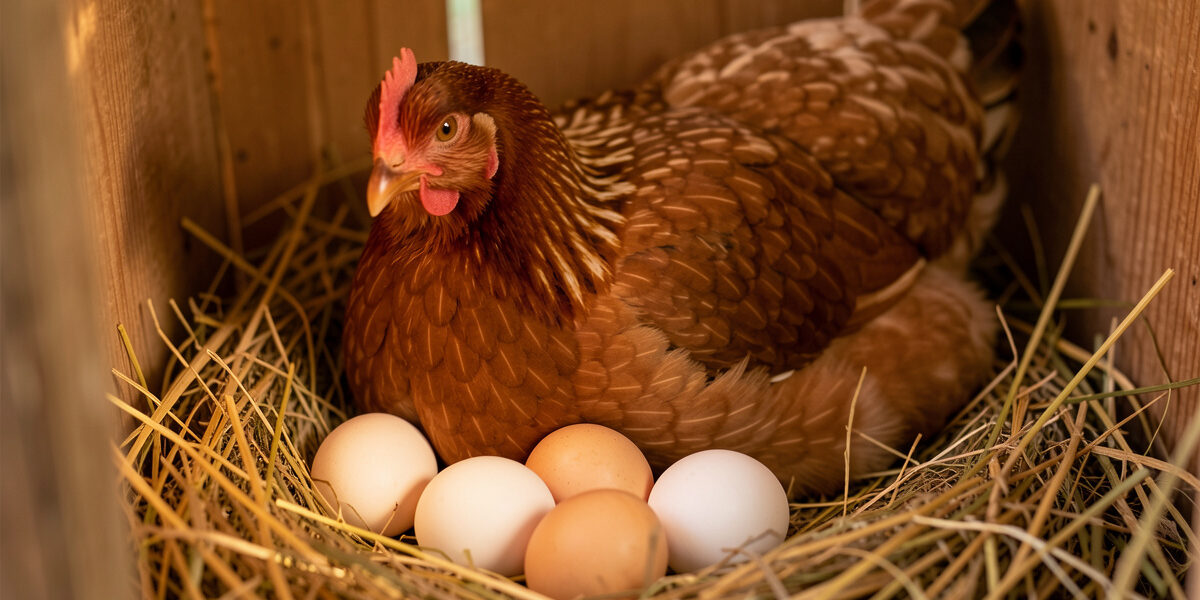
Letting a broody hen hatch eggs means waiting for a hen to commit to sitting, slipping fertile eggs under her at night, and then mostly staying out of her way for 21 days while she holds temperature, humidity, and turning better than any machine. A reliable broody will hatch 6 to 12 eggs and raise the chicks herself — the lowest-effort hatching method there is, when you have a hen who means it.
I run an incubator when I want chicks on my schedule, but when a hen goes properly broody I hand her the job every time. She does for free, by instinct, what I spend a guide’s worth of words teaching people to do with a calibrated box: she keeps the clutch at body temperature, turns the eggs constantly, manages humidity from her own body and the nest, and then brings the chicks up without a brooder, a heat plate, or a single watt of power. The catch is that broodiness is on her timetable, not yours, and not every hen is cut out for it. This is the workflow I use, from confirming she is serious to the first weeks with mum.
Is She Actually Broody?
Before you trust a hen with fertile eggs, you need to know she is committed, not just having a moody afternoon in the nest box. A truly broody hen stays on the nest day and night, flattens herself over the eggs, and puffs up, growls, or pecks when you reach under her. She leaves the nest only briefly once a day to eat, drink, and pass a large, distinctive broody dropping, then rushes back. She may pluck breast feathers to bring her warm skin into direct contact with the eggs.
A hen who sits all afternoon but wanders off to roost at night is not reliably broody yet. I like to see two to three days of solid, round-the-clock sitting before I commit real hatching eggs to her. Some breeds go broody readily — Orpingtons, Silkies, Cochins, and many dual-purpose heritage types — while high-production hybrids have largely had the instinct bred out of them. If you want the broody route as a reliable option, it starts with keeping a breed that actually sits, a point I make in my breed selection thinking.
Choosing the Hen and the Spot
Not every broody hen is a good mother, but a calm, experienced hen of a sitting breed is worth her weight. You want a hen in good condition — sitting for three weeks is physically demanding and she will lose weight — and ideally one who is not at the bottom of the pecking order, since she needs to defend her nest and later her chicks.
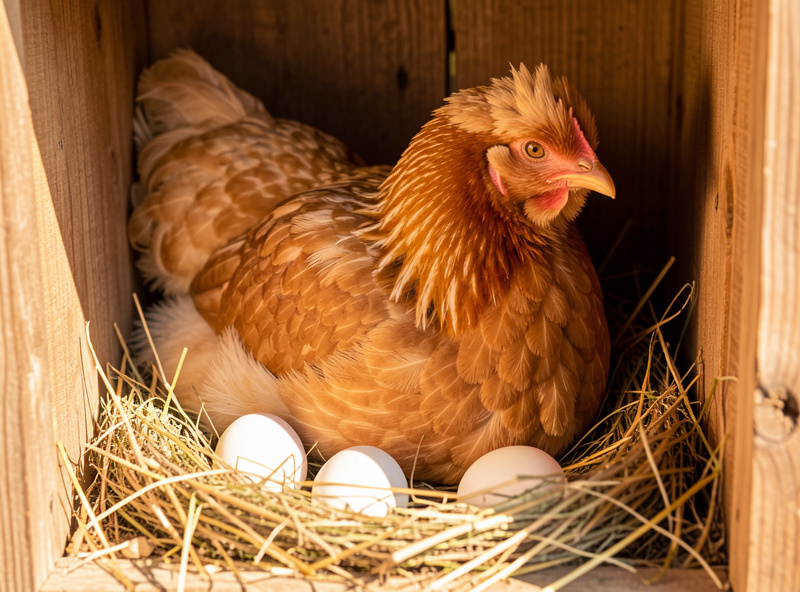
Location matters more than people expect. A hen sitting in a shared nest box, in the middle of the flock, faces constant disruption: other hens climb in to lay, eggs get mixed in or broken, and the bustle can break her broodiness. Where I can, I move a committed broody to her own quiet, predator-secure space at ground level — a separate low pen or a sectioned-off corner — with her own food and water close by. Move her at night, gently, with a few dummy eggs first, and give her a day to settle before you trust her with the real clutch. A hen who breaks broodiness after a move has told you she was not as committed as you hoped, and it is better to learn that with golf balls than with fertile eggs.
Setting the Eggs Under Her
Once she is settled in her spot and still sitting tight, set all the fertile eggs at once, at night, so they start the 21-day clock together and hatch together. Slip them under her in the dark when she is calm; a broody will usually accept them without fuss. The number depends on her size — she can only cover what her body keeps warm, so a standard hen handles around 8 to 12 eggs and a bantam fewer. Eggs that stick out past her feathers will chill and fail, so do not overload her.
Mark the date. A hen-hatched clutch runs the same 21-day timeline as an incubator, detailed in my 21-day incubation guide, and knowing the hatch date keeps you from worrying on day 19 or interfering on day 16. Use eggs of similar age and quality, set them together, and resist the urge to keep adding “just a few more” later — staggered eggs under a hen lead to a staggered hatch, and once the first chicks hatch she will leave the nest to care for them, abandoning the latecomers.
The 21 Days: What She Does, What You Do
The beauty of a broody hatch is how little you do. She holds the eggs at the right temperature, turns them many times a day with her beak and feet, regulates humidity, and knows when to leave for her daily break. Your entire job is logistics: keep clean food and water within easy reach, keep the nest dry and the bedding fresh, and protect her from disturbance and predators. A sitting hen and, later, a hen with chicks are both vulnerable, so the run security I cover in predator-proofing matters even more during a broody hatch.
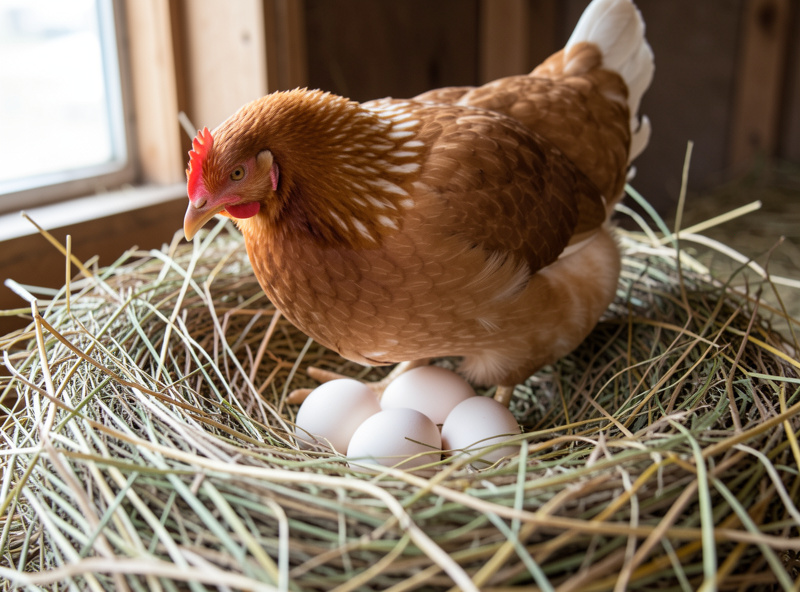
You can candle a hen’s eggs around day 7 to 10 if you want to pull clears, lifting them gently while she takes her daily break, but many keepers simply trust her — a hen will often push out an egg that has gone bad herself. If you do candle, work fast and get the eggs back under her warm before they chill. Keep her on a quality feed; some keepers offer the higher-protein chick or all-flock feed during this stretch since she is eating little and working hard. Do not be alarmed that she looks rough and rarely moves — that is a broody doing her job, not a sick bird.
Hatch Day and the First Weeks With Mum
Around day 21 you will hear cheeping and see the first pips, and here too the rule is hands off. The hen manages the hatch; she will sit tight as chicks pip and zip beneath her, and the newly hatched chicks tuck under her warmth to dry. Do not lift her to check constantly — you risk chilling a pipping egg or letting a dried chick tumble out and get cold. Give it time. She will keep sitting until the bulk of the clutch has hatched, then bring the chicks off the nest.
Once she is up with her brood, she does the brooding work a heat plate would otherwise do: the chicks shelter under her for warmth and she teaches them to eat and drink. Provide chick starter and shallow, drown-proof water at chick level, keep the area secure, and otherwise let her parent. A broody mother handles temperature regulation, predator vigilance, and chick education far better than I can engineer, which is the whole appeal. If you are integrating her and the chicks back with a larger flock later, do it carefully — the approach in integrating chicks into the flock applies, though a protective mother hen smooths much of it.
When to Step In — and When to Call a Vet
Most broody hatches need no intervention, and intervening usually does more harm than good. Step in only for clear problems: a chick that has hatched but cannot get warm because it tumbled away from mum, a hen who abandons the nest partway through, or eggs that are clearly rotten and fouling the nest. Even then, act minimally — tuck a stray chick back, remove an obviously bad egg, and otherwise trust her.
Health is where my expertise stops and a professional’s begins. A broody hen sits tight and eats little by design, but a hen who is genuinely unwell, a chick that is gasping or failing to thrive, or any sign of illness in the brood is a question for an avian vet, not for a hatching guide. I will tell you how the broody process works and how to support it; I will not diagnose a sick bird, and neither should any article. Keepers report that a healthy broody of a good mothering breed handles the whole job with remarkably few problems — the art is mostly in choosing the right hen and then leaving her to it.
Why Her Daily Break Matters
One detail that worries first-time keepers is how little a broody hen eats and drinks. She leaves the nest just once a day, usually for ten to twenty minutes, to feed, drink deeply, dust-bathe, and pass one large dropping, then hurries back. That single break is enough, and it is by design — staying off too long would chill the eggs, so her instinct keeps it short. Your job is to make that break easy: keep fresh water and good feed within a few steps of her nest so she is not forced to choose between eating and keeping the clutch warm. If a hen in a hot spell or a very secluded nest does not seem to be breaking at all, gently lifting her off once a day to eat and drink is a reasonable nudge, but most committed broodies manage their own schedule perfectly well without you counting the minutes.
Broody Hatch vs. Incubator: Which to Choose
People ask me which is better, and the honest answer is that they solve different problems. A broody hen is the better choice when you want a low-effort, low-tech hatch and you happen to have a committed hen of a good mothering breed sitting right now. She needs no electricity, no calibration, and no brooder afterward, and she raises the chicks for you. The cost is control: you cannot schedule broodiness, you are limited to the dozen or so eggs she can cover, and you are trusting an animal rather than a dial.
An incubator wins when you want chicks on demand, in larger numbers, or when no hen will oblige you. It also teaches you far more, because you watch every stage through the glass and the candler rather than under a pile of feathers. My usual advice is to run an incubator for your first hatch so you actually learn what development looks like, then let a broody do the labor once you trust your flock to produce one. Many keepers, myself included, end up doing both depending on the season and which hen has decided to sit. Neither is the “right” method — they are tools for different situations.
Common Broody Hatching Mistakes
The mistakes that sink a broody hatch are nearly all about interference and impatience. The first is trusting a hen who is not truly committed — setting fertile eggs under a hen who is only half broody, who then abandons the nest on day four and chills the clutch. Test her with dummy eggs for two or three days first. The second is leaving her in the communal nest box, where other hens lay on top of her clutch, mix in fresh eggs, and break or foul the originals. Give a committed broody her own quiet space.
The third is the staggered clutch: adding “a few more” eggs days after she started sitting. The first chicks to hatch pull her off the nest, and the later eggs die abandoned. Set all the eggs at once. The fourth is lifting her constantly to check, which chills pipping eggs and can break her broodiness. The fifth, and the one keepers regret most, is skimping on security — a sitting hen and a hen with chicks are both prime targets, and a single night of weak fencing can end the whole project. Choose a committed hen, give her a secure private spot, set the eggs together, and then do the hardest thing in all of hatching: leave her alone.
If you would rather control the process yourself, or no hen has obliged you with broodiness, the machine route is fully covered in my egg incubator setup and the complete hatching and incubation guide. To improve your odds whichever way you hatch, see improving your hatch rate, and for the brooder you will need if you ever pull her chicks for any reason, the DIY chick brooder setup is ready when you are.
Related Guides
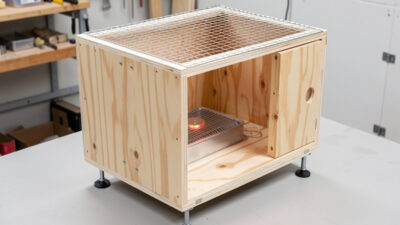
DIY Chick Brooder Setup: Building Your Own Brooder
A DIY chick brooder is a draft-free box, a thermostatically controlled heat source held at 95 °F in week one, shallow…
How to Improve Your Chicken Egg Hatch Rate
Improving your hatch rate comes down to four levers: temperature, humidity, egg quality, and turning. A home incubator running calibrated…

Candling Eggs During Incubation: A Day-by-Day Guide
Candling during incubation means shining a focused light through the egg on day 7, again around day 14, and a…