
Candling during incubation means shining a focused light through the egg on day 7, again around day 14, and a final check at day 18, to confirm the embryo is developing and to pull eggs that never started or have died. By day 7 a fertile egg shows a web of blood vessels; a clear egg with no veins comes out before it can rot and spoil the tray.
Candling is the one window you get into a process that otherwise happens behind a shell, and during an incubation run it does two jobs: it tells you whether your machine and your eggs are working, and it lets you remove duds before they go bad. This is candling on a schedule, tied to the 21-day clock — different from a one-off check on a fresh table egg. If you want the basic motion and grip first, my general how to candle eggs tutorial covers that; here I am focused on what each candling tells you during a hatch.
What Candling Shows You During Incubation
A candling light reveals three possible states inside an incubating egg, and learning to tell them apart is the whole skill. A developing embryo shows a dark mass with a spreading network of blood vessels, and often visible movement or a heartbeat flicker by the second week. An infertile egg — a “clear” — glows evenly with only the shadow of the yolk and no veins, because it never started. A “quitter” began developing and then died, often leaving a dark blood ring around the inside of the shell where the vessels detached.
Pulling clears and quitters is not just tidiness. A dead egg can rot, build up gas, and in the worst case burst, coating the live eggs around it in bacteria. One missed quitter can take down neighbors. So candling during incubation is partly diagnostic and partly hygiene — you are protecting the viable eggs from the ones that have failed.
The Candling Schedule: Day 7, 14, and 18
I candle three times in a normal run, and not more. Day 7 is the first meaningful checkpoint, day 14 confirms continued development and the air cell, and a quick day-18 look happens as I move eggs into lockdown position. Each check has a specific purpose, which is why I do not candle daily — every opening cools the eggs and there is little new to see between checkpoints.

| Day | What you look for | Action |
|---|---|---|
| Day 7 | Veins and dark embryo (fertile) vs clear vs blood ring | Pull clears and quitters |
| Day 14 | Mostly dark egg, defined air cell, movement | Check air-cell size vs humidity |
| Day 18 | Large chick, large air cell, drawn-down membrane | Final pull, then lockdown |
If you are nervous about misreading an egg at day 7, you can give a questionable one until day 10 and candle again — real development will be obvious by then, while a clear stays clear. When in doubt, the safest move with a borderline egg is to leave it one more check rather than tossing a slow starter.
Reading Fertile, Clear, and Quitter Eggs
At day 7 a fertile egg shows what keepers call spider-webbing — fine red vessels radiating out from a central dark spot, the embryo. Tip the egg gently and you may see the embryo wobble, or a tiny pulsing where the heart beats. That is exactly what you want. A clear egg lights up uniformly orange or yellow with the yolk shadow drifting freely and no vessels at all; it is infertile or quit so early there is nothing to see.
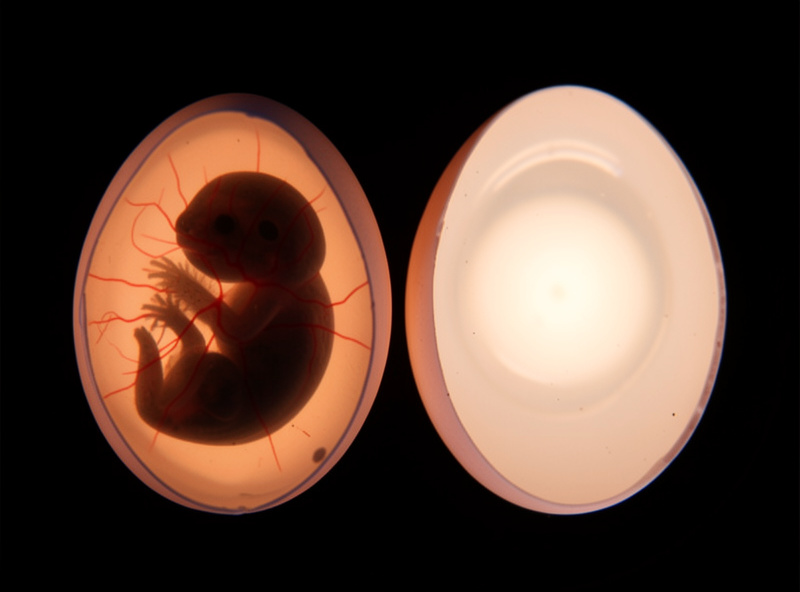
The quitter is the one beginners miss. It shows a dark ring — a “blood ring” — circling the inside of the shell, where the blood vessels of a dying embryo pulled away and settled. Sometimes you see a small dark blob with no vessels, an embryo that stopped. Both come out. By day 14 a healthy egg is mostly opaque with a clear air cell, and a quitter often looks patchy or has a sloshy, undefined dark area. The contrast between a living egg and a failed one gets easier to read every batch.
Brown Shells, White Shells, and the Right Light
Shell color changes how hard you have to work. White and light shells candle easily with a modest light; brown and dark shells, and especially the heavily pigmented eggs from breeds like Marans, need a bright, tightly focused beam pressed against the fat end in a fully dark room. A dim flashlight that works fine on a white egg will show you nothing through a dark-brown shell.
A dedicated LED candling light with a rubber gripping ring that seals against the shell makes a real difference on stubborn eggs — you can compare LED egg candlers on Amazon. As an Amazon Associate I earn from qualifying purchases. Whatever light you use, work in the darkest room you have, cup your hand around the egg to block stray light, and give your eyes a moment to adjust. Speckled and very dark eggs may never candle clearly no matter what — for those, you sometimes have to wait for the obvious signs at day 14.
How Often to Candle, and Why Not More
It is tempting to candle every day — it is the only fun part of the wait — but restraint is the better practice. Every time you remove an egg and handle it, you cool it and the incubator, and you add a small risk of cracking a shell or introducing bacteria from your hands. Three checks across 21 days gives you everything you need without disturbing the process.
Work quickly and gently when you do candle. Wash and dry your hands first, candle in a warm room so the eggs are not chilled, and get them back into the incubator promptly. After day 18 you stop candling entirely — the egg is dark, there is nothing new to see, and the incubator stays shut through lockdown and hatching, as covered in the 21-day timeline.
Tracking the Air Cell for Humidity
Candling does one more job that most beginners overlook: it is your best humidity gauge. The air cell at the fat end of the egg should grow steadily as the egg loses moisture, reaching about a third of the egg by day 18. If the air cell is too small at day 14, you are running too humid and should lower it; too large, and you are too dry and should raise it.
I trace the air-cell outline lightly in pencil on the shell at day 7 and day 14 so I can see the trend rather than guess from a single look. That visual feedback is far more reliable than trusting the hygrometer number, which depends on your room and your machine. Reading the air cell is how you fine-tune humidity for a strong hatch — the payoff side of which is covered in improving your hatch rate. For the whole process this sits inside, see the hatching and incubation guide.
What Candling Cannot Tell You
Candling is powerful, but it has limits worth knowing so you do not over-read it. It cannot tell you a chick’s sex, it cannot confirm a chick is healthy rather than merely alive, and early on it cannot always distinguish a slow starter from a true clear. The honest answer to “is this one going to hatch?” at day 7 is often “probably, check again at day 10.” Treating candling as a definite verdict on every egg leads to tossing viable slow developers.
It also will not save an egg that is failing for reasons inside your machine. If you candle at day 14 and half the batch has quit, candling told you the bad news but the cause is upstream — temperature, humidity, egg quality, or turning. That is a setup and hatch-rate problem to solve for the next batch, not something a brighter light fixes mid-run. I treat a bad candling result as data for the hatch-rate diagnosis, not as a failure of the candling itself.
Finally, candling is not a substitute for restraint. The keepers who candle obsessively, handling eggs daily and hunting for reassurance, do more harm than the ones who check three times and otherwise leave the incubator shut. Use candling for its two real jobs — confirming development and pulling duds — and trust the closed lid to do the rest. The discipline of looking less is part of the technique.
Frequently Asked Questions
When should I candle eggs during incubation?
Candle on day 7 to confirm development and remove clears, again around day 14 to check the embryo and air cell, and optionally at day 18 before lockdown. Avoid candling more often, since handling cools the eggs and adds risk.
What does a fertile egg look like when candled?
At day 7 a fertile egg shows a dark embryo with a web of red blood vessels spreading from it, and sometimes a visible heartbeat or movement. An infertile clear egg glows evenly with only the yolk shadow and no veins.
What is a blood ring when candling?
A blood ring is a dark ring around the inside of the shell, left when a developing embryo dies and its blood vessels detach. It marks a quitter, an egg that started and stopped, and that egg should be removed before it can rot.
Can you candle brown or dark eggs?
Yes, but they need a brighter, tightly focused candling light pressed to the fat end in a fully dark room. Very dark or speckled eggs from breeds like Marans can be hard to read, so you may have to wait for obvious signs at day 14.
Does candling harm the developing egg?
Candling is safe when done quickly and gently with clean, dry hands in a warm room. The light does not harm the embryo. The risks come from cooling, rough handling, or cracking the shell, which is why three brief checks is enough.
How does candling help with humidity?
The air cell at the fat end should grow as the egg loses moisture, reaching about a third of the egg by day 18. A too-small air cell means humidity is too high; a too-large one means too low. Candling lets you read and adjust it.
Related Guides
- Hatching & Incubation: The Complete Guide
- The 21-Day Incubation Timeline
- How to Candle Eggs: Step by Step
- Egg Incubator Setup and Calibration
- How to Improve Your Hatch Rate
Related Guides
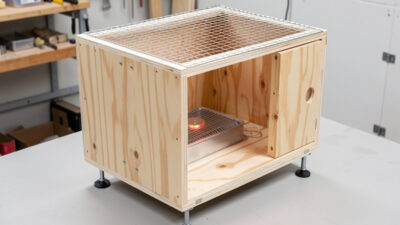
DIY Chick Brooder Setup: Building Your Own Brooder
A DIY chick brooder is a draft-free box, a thermostatically controlled heat source held at 95 °F in week one, shallow…

How to Improve Your Chicken Egg Hatch Rate
Improving your hatch rate comes down to four levers: temperature, humidity, egg quality, and turning. A home incubator running calibrated…
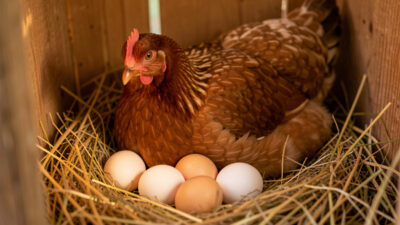
Broody Hen Hatching: Letting a Hen Hatch Her Eggs
Letting a broody hen hatch eggs means waiting for a hen to commit to sitting, slipping fertile eggs under her…