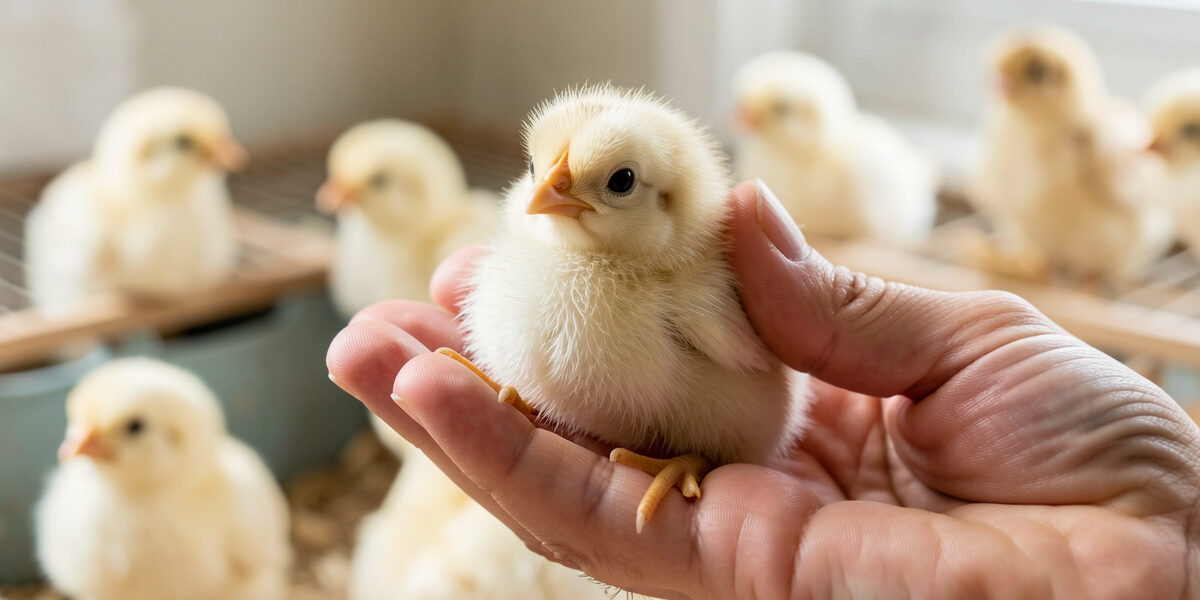
For a backyard keeper, the only reliable way to know a chick’s sex at hatch is to buy auto-sexing or sex-linked breeds, where colour or down pattern tells you straight away — every other method either waits for the bird to grow up or belongs to trained hatchery professionals. If you bought “straight run” chicks, roughly half will be cockerels and there is no home trick that changes that. I’ve raised a lot of mixed broods and watched plenty of “guaranteed pullets” grow a comb and start crowing, so let me walk through what actually works, what doesn’t, and when you’ll really know.
This matters more than it sounds, because in most places a surprise rooster is a problem — noise ordinances, neighbours, and flock dynamics all turn on it. Knowing what you bought, and when you can tell, saves a lot of heartbreak at sixteen weeks.
First, Understand What You Bought
Most chick losses to “surprise roosters” are really just a misunderstanding of the labels at purchase. Straight run means unsexed as hatched — you get whatever hatched, statistically about half male. Sexed pullets (or “pullet chicks”) have been sorted at the hatchery to be female, but even expert sorting isn’t perfect, so hatcheries quote accuracy around 90% and the occasional cockerel slips through. Auto-sexing and sex-linked chicks can be told apart by appearance at hatch, which is the gold standard for a home keeper.
If certainty matters to you — because you can’t keep roosters where you live — the cleanest answer isn’t a sexing technique at all. It’s buying breeds where the sex is visible from day one, or buying started pullets that are already old enough to be obvious. Trying to out-clever the problem with home methods on straight-run chicks is how people end up attached to a bird they then have to rehome.
The Method That Actually Works: Colour
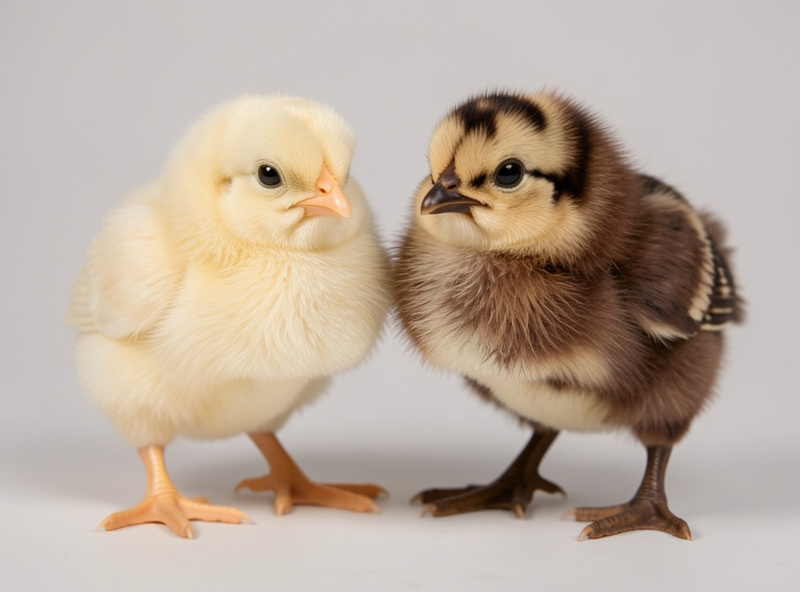
Sex-linked chicks are the result of a specific cross where the chicks’ down colour differs by sex — for example, certain crosses produce buff or red females and white or pale males, or vice versa. Auto-sexing breeds (Legbars and similar) are true breeds, not one-off crosses, where chicks show a sex-distinguishable pattern such as a clearer head spot or stripe on one sex. In both cases you read the colour or marking and you know, with very high reliability, at hatch.
This is the only home method I’d stake anything on. It requires no skill, no handling stress, and no waiting — but it only works if you specifically bought those breeds or crosses. You can’t apply it to a random straight-run batch of, say, mixed brown layers, because there’s no colour rule encoded in them. So if day-one certainty is the goal, the decision is made at the hatchery order, not in your brooder.
Vent Sexing: Real, but Not for You
Vent sexing is the technique that produces those “sexed pullet” labels: a trained professional examines the chick’s vent to identify tiny anatomical differences within a day or two of hatch. It is genuinely effective in skilled hands — and it is genuinely difficult, taking specialists a long apprenticeship to do accurately without harming the chick. It is not something I’d ever tell a backyard keeper to attempt. The error rate for an untrained person is high and the risk of injuring a fragile day-old chick is real. Leave this one to the hatcheries.
You’ll also see “feather sexing,” which works only on specific fast/slow-feathering crosses bred for it by comparing wing-feather length at hatch. Like colour sexing, it’s reliable only when the birds were specifically bred for it — apply it to the wrong genetics and it tells you nothing.
Folk Methods: Skip Them
There’s a whole genre of brooder lore — dangling a chick by the scruff, swinging a needle over it, judging by how it stands or how bold it is. None of it is reliable. At best these are coin-flips dressed up as technique, and the confident way they’re passed around is exactly why people trust them and then get blindsided. If a method doesn’t rest on either genetics (colour, feather) or trained anatomy (vent), treat it as entertainment, not information.
Waiting It Out: The Signs That Emerge
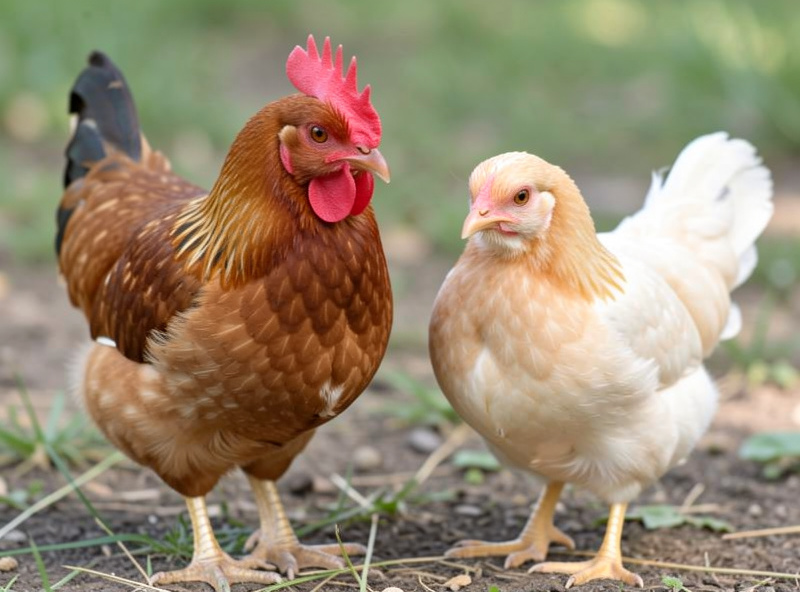
For straight-run chicks, the honest answer is that you wait, and the birds tell you. The first hints come at a few weeks: cockerels tend to develop larger, redder combs and wattles earlier than pullets, and they’re often bolder and a bit bigger. These are tendencies, not certainties, and breed differences muddy them — but watching a brood, the cockerels usually start to stand out.
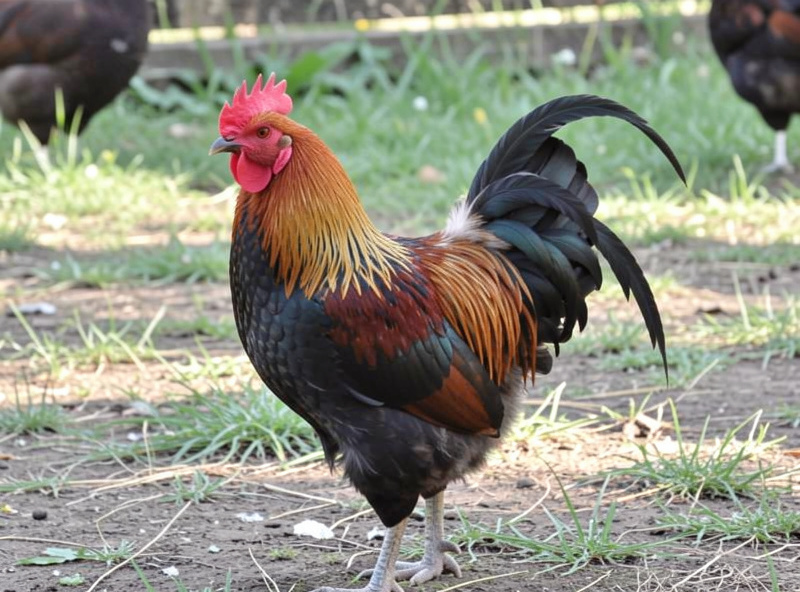
By around eight to twelve weeks the picture sharpens. Cockerels develop pointed saddle feathers (the long narrow feathers ahead of the tail) and pointed hackle feathers around the neck, where pullets’ are rounder. They stand more upright, may start sparring, and the comb keeps reddening. And then the definitive signs arrive on their own schedule: the first crow, somewhere around three to five months, and eventually the development that no one can argue with. Conversely, the truly unambiguous sign of a pullet is the one you’re hoping for — an egg.
When the “Hen” Turns Out to Be a Rooster
It happens to almost everyone eventually, even with sexed birds, because no sorting is perfect. The moment you hear that first scratchy attempt at a crow — and it really does sound like a teenager’s voice cracking before it matures — you have a decision to make, and it’s better made calmly than in a panic when a neighbour complains. The realistic options are keeping the rooster if your local rules and flock size allow it, rehoming him through poultry groups or a feed store’s bulletin board, or in some cases returning him if your supplier takes cockerels back.
The mistake to avoid is denial. People hear the crow, decide it’s “just a loud hen,” and lose weeks before acting — by which point they’re more attached and the bird is more entrenched in the pecking order. One rooster in a small backyard flock can also overmate hens and turn a calm coop tense, so the dynamics argue for an early decision too. None of this is a reason to dread straight-run chicks; it’s just a reason to have the plan ready before they hatch rather than scrambling after.
Planning Around the Odds
The practical takeaway is to plan for reality. If you order straight run, assume half cockerels and have a plan before they hatch — whether that’s keeping a rooster (where allowed), rehoming, or choosing sexed or auto-sexing birds instead. If roosters are off the table where you live, don’t gamble on home sexing a straight-run batch; buy sex-linked, auto-sexing, or started pullets and accept the small residual error rate that comes even with professionally sexed birds. The cheapest insurance is the decision you make at purchase, not a technique you apply afterward.
Sexing is just one stop on the journey from day-old chick to laying hen. The brooder, the feed stages, and integrating the keepers into your flock all come around it — the full arc is in the complete chick and pullet care guide. And if you’re still choosing what to order, the best laying breeds and the full breed comparison are the place to look for which sex-linked and auto-sexing options fit your goals.
Frequently Asked Questions
Can you tell a chick’s sex at hatch?
Only for specific breeds. Auto-sexing breeds and sex-linked crosses show different down colours or markings by sex at hatch, which is reliable for a home keeper. For ordinary straight-run chicks there is no reliable day-old home method — vent sexing exists but is a difficult professional skill, not a backyard technique.
What is the difference between straight run and sexed pullets?
Straight run means the chicks are sold unsexed as hatched, so roughly half will be male. Sexed pullets have been sorted by professionals to be female, typically around 90% accurate, so an occasional cockerel still slips through. If you cannot keep roosters, sexed, sex-linked, or auto-sexing birds are the safer choice.
When can you tell if a chick is a rooster?
Early hints like larger, redder combs appear within a few weeks, and by about eight to twelve weeks cockerels show pointed saddle and hackle feathers and a more upright stance. The definitive signs are crowing, usually around three to five months, and for pullets, the first egg.
Is vent sexing safe to do at home?
It is not recommended for backyard keepers. Vent sexing requires trained professionals who learn over a long apprenticeship to read tiny anatomical differences without harming the chick. For an untrained person the error rate is high and the risk of injuring a fragile day-old chick is real, so it is best left to hatcheries.
Are sexing folk methods like the needle test accurate?
No. Methods like dangling a chick, swinging a needle, or judging behavior are not reliable and amount to guesswork. Only genetics-based methods (colour and feather sexing on breeds bred for it) and professional vent sexing are dependable. Treat brooder folklore as entertainment, not information.
Further Reading
- Raising Baby Chicks: The Complete Chick and Pullet Care Guide — the full journey from day-old to point of lay.
- Best Egg-Laying Chicken Breeds — including reliable sex-linked layers.
- Friendliest Chicken Breeds for Families and Kids — temperament matters when choosing what to brood.
Related Guides
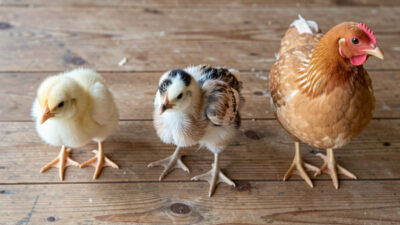
Chick Growth Timeline: From Day-Old to Point of Lay
A chick goes from a fragile day-old fluffball to a laying hen in roughly five months, passing through four recognizable…
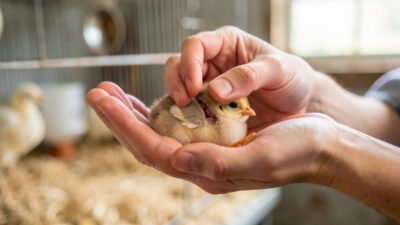
Common Chick Problems: Signs, Prevention, and When to Get Help
Almost every common chick problem is an environment problem first — chilling, damp bedding, crowding, or dehydration — which is…
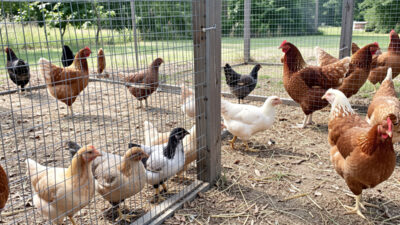
Integrating Chicks Into the Flock Without Bloodshed
You never just tip young birds into an established flock — chickens enforce a strict pecking order and a sudden…