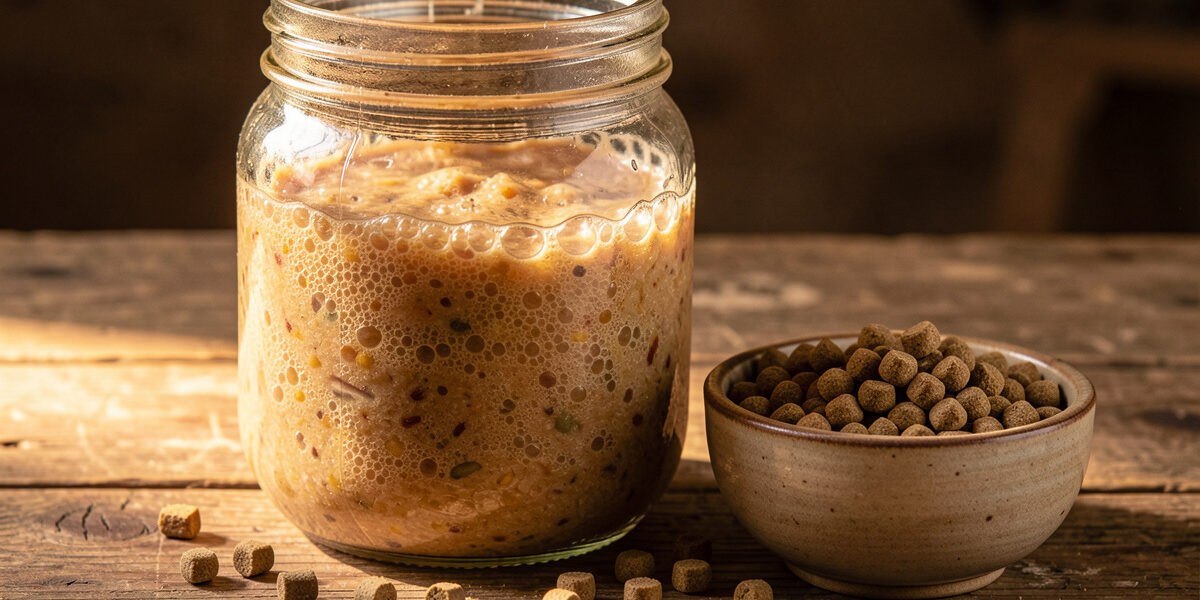
Fermenting chicken feed is the cheapest upgrade in the coop that actually earns its place. Soaking complete feed in water for two to three days until it turns pleasantly sour improves how well birds use it and visibly cuts feed waste, because the wet, soured mash is harder to bill onto the floor and the fermentation predigests some of the grain. It is not magic and it is not effort-free, but for a backyard flock the trade is worth it most of the year — and on a cold Swedish morning a bowl of warm-ish fermented mash is a genuine welfare win.
I run fermented feed through most of the year and have settled into a simple jar routine that fits a backyard flock without turning into a science project. Here is exactly how I do it, what good fermentation smells like, and the spoilage signs that tell me to dump a batch and start over.
Why Ferment Feed at All
Fermentation is just controlled souring — beneficial lactic-acid bacteria work on the wet feed the same way they do in sauerkraut, dropping the pH and partly breaking down the grain. The two benefits I can actually see in my flock are less waste and better feed conversion. Dry feed gets billed out of the feeder and scratched into the bedding; wet fermented mash stays in the bowl and the birds eat what they take. Over a season that waste reduction is real money in a feed budget.
The digestibility side is harder to measure at home but well supported: the souring process makes some nutrients more available and supports gut health through the lactic-acid bacteria. I would not oversell it as a cure for anything — it is a feed-quality and welfare improvement, not medicine. The complete feed is still the nutritional base; fermenting just helps the birds get more out of it, which fits the whole-system approach in my chicken feeding guide.
How to Ferment Feed: The Jar Method
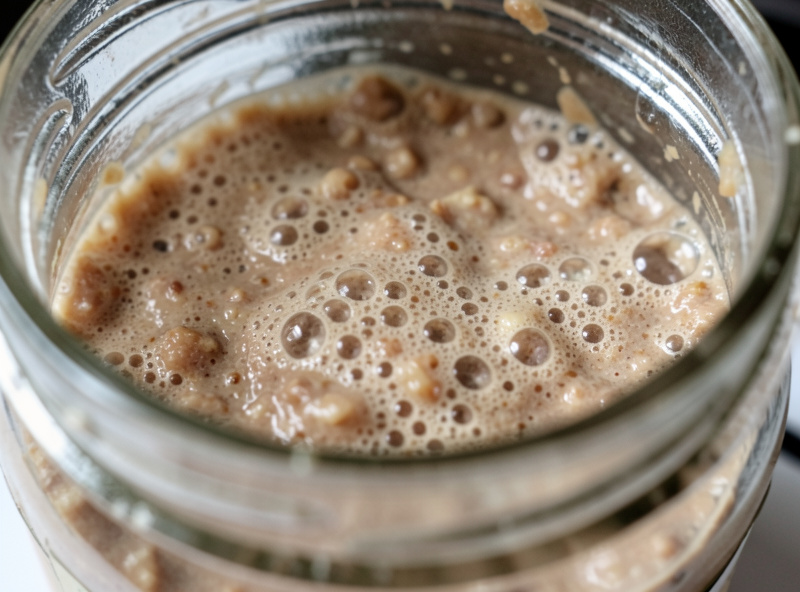
The method is simple. Put complete feed in a jar or bucket, cover it with non-chlorinated water by a couple of inches, stir, and loosely cover it for two to three days at room temperature, stirring once a day. The feed swells as it absorbs water, so keep it well submerged and top up with water as needed. By day two or three you will see small bubbles and smell a clean, sour tang — that is the lactic-acid fermentation doing its job.
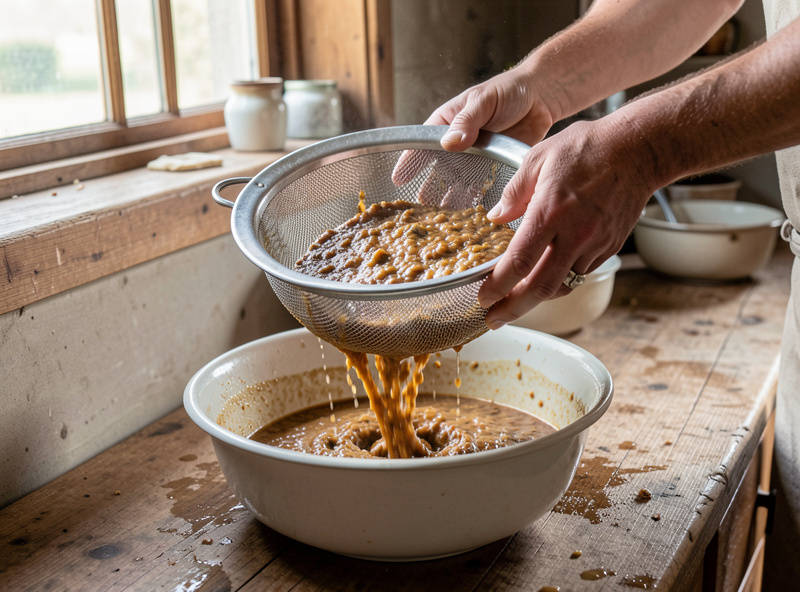
To serve, scoop out the wet mash and drain off the excess liquid (I keep a little of that liquid back as a starter to speed up the next batch). Mash, crumble, or pellets all work, though mash and crumble break down fastest. I make small daily batches sized to what the flock clears in one feeding, because fermented feed is best fed fresh and you do not want a surplus sitting around. A clean wide-mouth jar and a fine strainer are really all the gear you need to start.
Which Feed Ferments Best
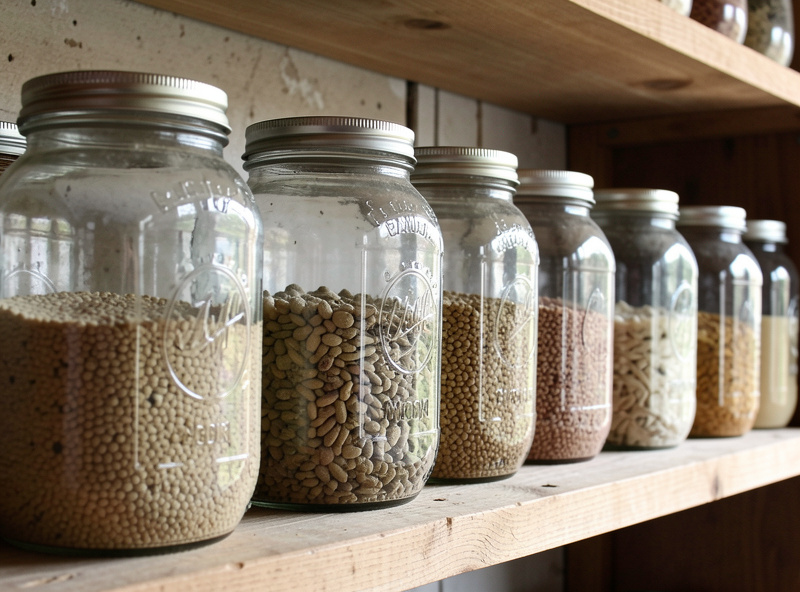
You can ferment almost any complete feed, but the form changes the experience. Mash and crumble soak up water fast and break down into a soft, easy mash within a day or two, which is why they are my go-to for fermenting. Whole grains and pellets work too but take longer to soften and hold their shape more, so the ferment runs a touch slower. Whatever you use, it should be the same balanced complete feed you would feed dry — fermenting is a way to serve the good feed better, not an excuse to ferment cheap scratch grains into a meal.
Water quality matters more than people expect. Chlorinated tap water can slow the beneficial bacteria you are trying to encourage, so I let tap water sit out overnight or use rainwater or filtered water to start a batch. Once a culture is established, keeping a splash of the previous batch’s liquid as a starter gives each new jar a head start and a more reliable, faster sour. It is the same trick a sourdough baker uses, and it makes the whole routine more forgiving once you are a few batches in.
What Good Fermentation Smells Like — and When to Bail
The single most useful skill here is reading the smell. Good fermented feed smells clean and tangy, like sourdough starter or mild yogurt. A little bubbling and a sour aroma mean it is working. What you do not want is anything that smells putrid, rotten, or alcoholic, or any sign of fuzzy mold on top — those are spoilage, not fermentation, and that batch goes in the compost, not the feeder.
Mold is the clearest fail signal and the reason hygiene matters: clean jars, fresh water, and keeping the feed submerged all suppress it. Fermented feed sours faster in summer heat, so in warm weather I shorten the ferment and make smaller batches, while in cold weather it takes longer. When in doubt, throw it out — a spoiled batch is cheap to replace and a moldy one is a real health risk, exactly the kind of thing I would never gamble a flock on. For anything that looks like illness rather than a feed problem, that is a vet question, covered in my chicken health guide.
Fermented Feed Through a Cold Winter
This is where fermenting really pays off for me. Through the dark Nordic months, a bowl of fermented mash served not-quite-cold in the morning is something the flock genuinely relishes, and it gets wet feed and moisture into birds that are otherwise reluctant to drink from a near-freezing waterer. It does not replace a heated waterer — nothing does in a real winter — but it is a useful extra route to keeping winter birds eating and hydrated.
The catch in winter is that the ferment slows in the cold, so I keep the working jar somewhere that does not freeze and accept a longer souring time. I also keep the batches small, because a frozen bucket of mash helps nobody. The cold-climate feeding picture as a whole — scratch for overnight heat, unfrozen water, energy needs — is something I cover in the broader feeding guide; fermented mash is one comfortable piece of it, paired with keeping the waterers from freezing.
A Little Gear Makes It Easier
You can ferment in any clean food container, but a couple of cheap items make the routine painless. I use wide-mouth wide-mouth fermentation jars for small daily batches and a sturdy fine-mesh strainer to drain the mash before serving. As an Amazon Associate I earn from qualifying purchases. Nothing here is specialized — the same jars do double duty for the rest of the small-batch fermenting projects around the house.
Start with one jar and one feeding a day, get a feel for the smell and timing, and scale up only if it suits your routine. Fermenting is genuinely worth doing, but it is a habit, not a gadget — the discipline of small fresh batches is what keeps it a benefit rather than a moldy chore in the corner of the shed.
A rolling three-jar system is what finally made it effortless for me: one jar being fed, one mid-ferment, and one just started, so there is always a finished batch ready and nothing sits long enough to spoil. It sounds fussy written down, but in practice it is thirty seconds of stirring and rotating each morning when I am already in the coop. The birds come to recognize the bowl and crowd it, which is its own quiet confirmation that the feed is more appealing than the dry version — and a flock that eats eagerly and wastes less is exactly what you are after.
One honest caveat: if your routine is genuinely too busy to make fresh small batches, do not ferment. A neglected bucket of mash that molds is worse than simply feeding good dry feed, and there is no shame in skipping a technique that does not fit your life. Fermenting rewards consistency, so it is better to do it well three days a week than badly every day.
Frequently Asked Questions
How do you ferment chicken feed?
Cover complete feed with non-chlorinated water by a couple of inches in a jar or bucket, stir, and loosely cover for two to three days at room temperature, stirring daily and keeping the feed submerged. Serve once it smells cleanly sour.
How long does it take to ferment chicken feed?
Usually two to three days at room temperature. It ferments faster in summer heat and slower in cold weather. You are ready when you see small bubbles and smell a clean, sour, sourdough-like tang.
What does properly fermented feed smell like?
Clean and tangy, like sourdough starter or mild yogurt. Any putrid, rotten, or alcoholic smell, or visible fuzzy mold, means the batch has spoiled and should be composted rather than fed to the flock.
Is fermented feed good for chickens?
Yes. Fermenting improves how well birds use their feed, cuts waste because the wet mash is harder to bill out, and supports gut health through lactic-acid bacteria. It is a feed-quality improvement, not a medicine.
Can fermented chicken feed go bad?
Yes. It can spoil if it grows mold or sits too long, especially in summer heat. Make small fresh batches, keep jars and water clean, keep the feed submerged, and discard any batch that smells rotten or shows mold.
Keep Building
Related Guides
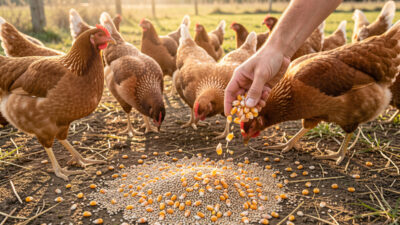
Scratch Grains for Chickens: Treat, Not a Meal
Scratch grains are the most overfed thing in backyard chicken keeping. Scratch is a treat — a cracked-corn-and-grain mix that…
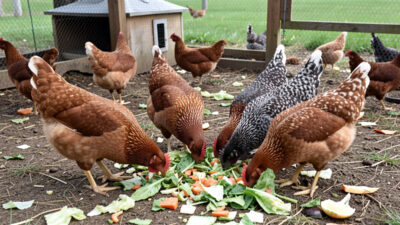
What Treats Can Chickens Eat? Safe and Unsafe Foods
Chickens are enthusiastic about almost anything you hand them, which is exactly why treats are where good intentions wreck a…
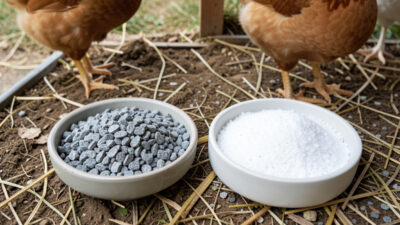
Grit and Oyster Shell for Chickens: What Each One Does
Grit and oyster shell are the two supplements every chicken keeper hears about and almost everyone confuses. Grit is hard…