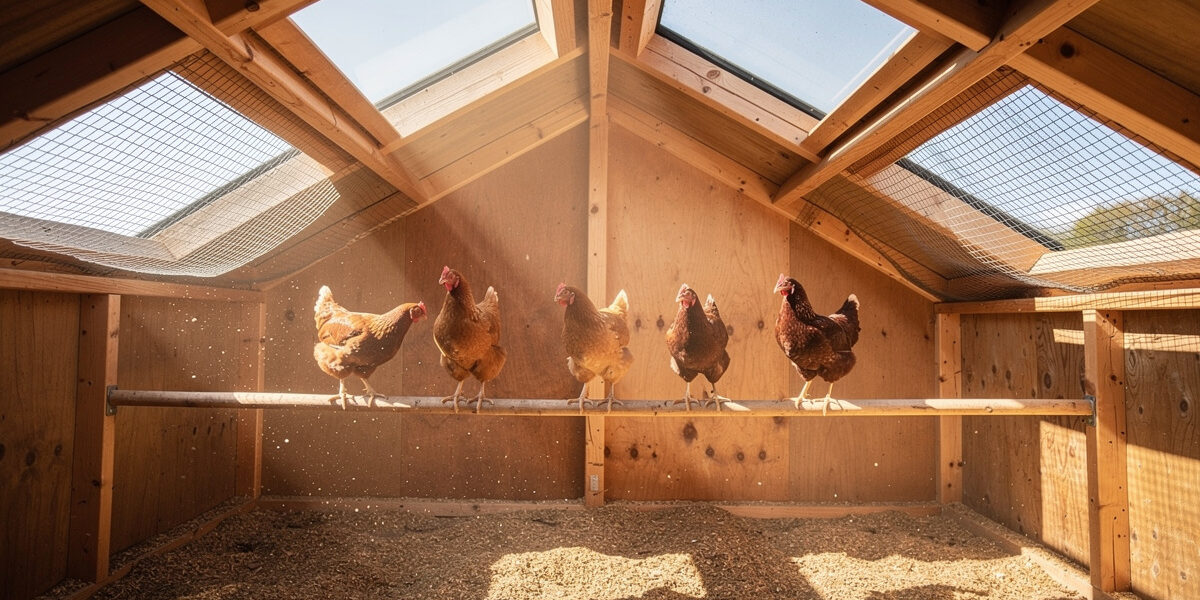
Respiratory illness is one of the most common reasons a backyard keeper picks up the phone to a vet, and the most useful thing I can tell you up front is that the diagnosis genuinely needs that vet — several different organisms cause near-identical signs. What’s firmly in keeper territory, and where I have strong opinions, is the coop environment that makes respiratory disease far more likely. Get the air right and you prevent a large share of these problems before they start. The signs to know: sneezing, nasal discharge, swollen sinuses or face, rattling or open-mouth breathing, and bubbles in the corner of the eye.
I build and run a cold-climate coop in Sweden around one principle that competitors skip: ventilation that dumps moisture without drafting the birds. That single design choice does more for respiratory health than anything in a bottle. This article is general husbandry guidance, not veterinary advice — I’ll describe what respiratory signs look like and how to prevent them, but any sick bird needs an avian vet for diagnosis and treatment. For the wider context, this sits under my chicken diseases and treatment guide.
Reading Respiratory Signs
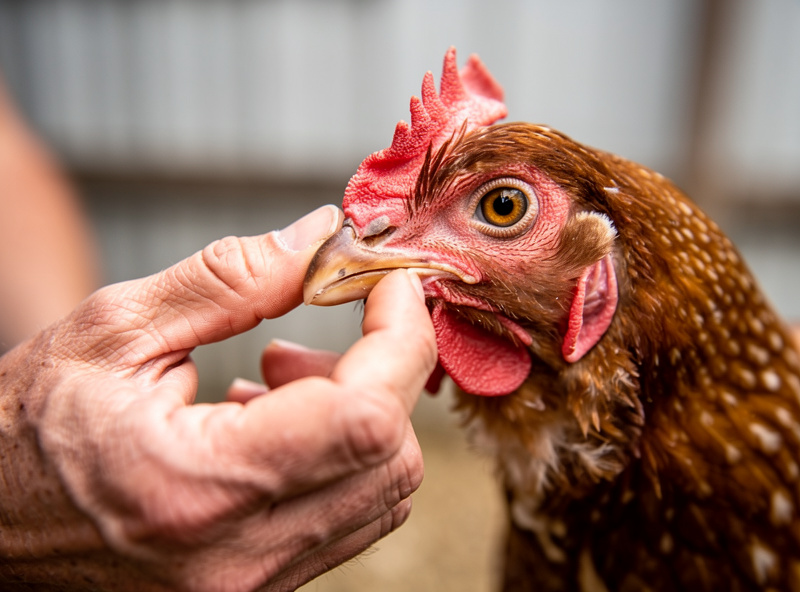
Respiratory illness shows up in a bird’s face and breathing. The early, milder signs are sneezing, clear or thickened nasal discharge, and watery eyes; as things progress you may see swelling around the eyes and sinuses, gurgling or rattling breath, open-mouth breathing, and a bird that’s gone quiet and puffed-up. A foamy or bubbly discharge in the corner of the eye is a classic flag worth noting accurately for your vet.
| What you see | What it tells a keeper |
|---|---|
| Occasional sneeze, bird otherwise bright | Could be dust or a mild irritation — check ventilation and watch closely |
| Persistent sneezing, nasal discharge, watery eyes | Possible respiratory infection — isolate and consult a vet |
| Swollen face/sinuses, foamy eye, rattling breath | Clearer respiratory illness — prompt vet involvement |
| Open-mouth or labored breathing | Serious — same-day vet call |
The reason none of this maps to a home treatment is that the same signs can come from very different causes, some viral, some bacterial, some environmental, and they’re managed differently. Your job is to recognize the pattern, gauge severity, isolate the affected bird, and describe it precisely to a vet — not to guess which organism it is and reach for something.
The Hidden Driver: Ammonia and Moisture
Here’s the part most backyard guides skip. The biggest environmental driver of respiratory problems in a coop is ammonia, produced by droppings breaking down in damp litter. Ammonia irritates and damages the delicate lining of a bird’s airways, lowering its defenses and making infection far more likely to take hold. The rough rule I use: if you can smell ammonia at bird height when you open the coop in the morning, the air is already harming your birds.
Ammonia builds when moisture and droppings accumulate without enough airflow to carry them away. That’s why damp, poorly ventilated coops are respiratory-disease factories and dry, well-ventilated ones are not. The fix isn’t a product — it’s airflow and dry litter. Keep bedding dry, manage droppings (a poop board under the roost helps enormously), and above all get the ventilation right, which is the single most important coop-health decision you’ll make.
Ventilation That Dumps Moisture Without Drafting Birds
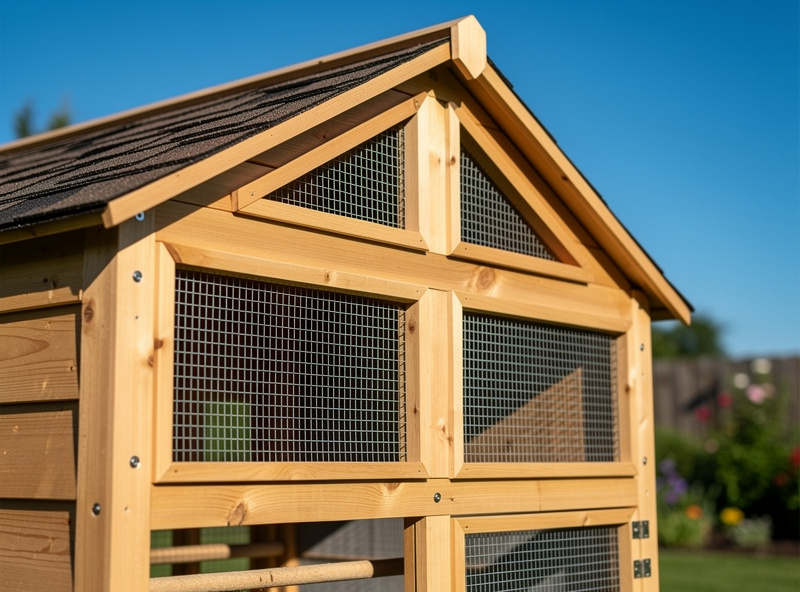
Good coop ventilation is a balance that trips up a lot of keepers: you need to exhaust warm, moist, ammonia-laden air without blowing cold drafts across the roosting birds. The way I do it is high venting — openings up near the ridge and soffit, above bird height — so stale moist air rises and escapes while the birds roost in still air below. Crucially, ventilation is not the same as a draft: a draft chills birds at the roost, while good ventilation moves air above them.
This matters in every climate but it’s life-or-death in a cold one, where keepers wrongly seal coops up tight against the cold and trap moisture inside — which causes both frostbite and respiratory disease. The counterintuitive truth is that a cold-climate coop needs more ventilation, not less, because moisture is the enemy, not cold. Sizing that airflow to actually exhaust the moisture the flock produces, while keeping the roost out of the draft, is the foundation of respiratory health. A well-built, properly sized coop does this passively, all winter, without you thinking about it.
Why Quarantine Matters Here Especially
Respiratory diseases are the textbook reason to quarantine every new bird, because a carrier can look completely healthy while shedding something that will sweep through your flock. Several poultry respiratory diseases leave survivors as lifelong carriers — outwardly fine, but capable of infecting other birds, especially under stress. Introduce one of those into your flock without quarantine and you can seed a problem that recurs for the life of the flock.
That’s why I keep a genuinely closed flock and quarantine any new arrival well away from the main birds for a few weeks, watching specifically for respiratory signs. It’s also why casual bird-swapping and bringing birds home from swaps without isolation is such a common way keepers import respiratory disease. The biosecurity habit isn’t paranoia — it’s the recognition that you can’t tell a carrier by looking, so you protect the flock by default.
What to Do With a Sick Bird
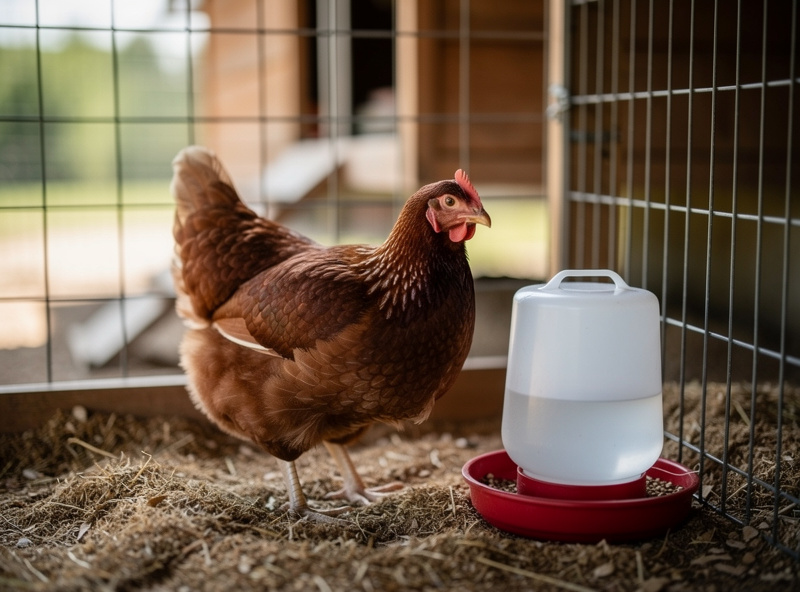
When a bird is showing respiratory signs, your role is recognition, isolation, support, and a vet call — never a self-prescribed treatment. Separate the affected bird into a warm, clean, draft-free space, keep clean water available (electrolytes can help a stressed bird), and reduce stress while you arrange veterinary care. Open-mouth or clearly labored breathing is a same-day call; milder, stable signs can be watched closely for a short time while you get a vet appointment, but isolation comes first either way.
The reason treatment is a vet job is concrete: the right approach depends on what’s actually causing the illness, and that often needs testing to determine. Antibiotics, for instance, do nothing for a viral cause and shouldn’t be used on a guess. A vet can tell you whether treatment is even appropriate, what it should be, and how to protect the rest of the flock. Meanwhile, you keep doing the environmental work — dry litter, good airflow, isolation — that supports recovery and limits spread. That partnership gives a sick bird, and the flock around it, the best chance.
The Prevention Checklist Worth Keeping
Because so much of respiratory health is environmental, it pays to make the prevention concrete. Keep bedding dry and turned so it never goes sour; manage droppings with a removable poop board under the roost so the heaviest source of moisture and ammonia is cleared daily rather than left to break down. Make sure your high venting is genuinely open and not clogged with dust or cobwebs, because a vent that’s blocked is no vent at all. And monitor the conditions you can’t always smell — a simple coop hygrometer tells you when humidity is creeping up before the air gets bad.
None of this is exotic, and that’s the point. The keeper who runs a dry, well-vented, droppings-managed coop simply sees far less respiratory disease than one fighting a damp, stuffy box, regardless of what’s circulating. Build the environment right once and it keeps paying off every single day the birds breathe it.
A Note on the Gear I Mention
A few practical items make the dry, well-ventilated coop that prevents respiratory disease easier to run. As an Amazon Associate I earn from qualifying purchases, at no extra cost to you — these are husbandry and coop-environment items, never medications or treatments. The genuinely useful ones are a coop hygrometer to track humidity before the air goes bad, hardware-cloth mesh for safe high ventilation openings, and a droppings scraper for daily poop-board cleaning. Any treatment for a sick bird belongs to your vet.
Frequently Asked Questions
What are the signs of respiratory illness in chickens?
Sneezing, nasal discharge, watery or foamy eyes, swelling around the face and sinuses, rattling breath, and open-mouth breathing. A quiet, puffed-up bird with any of these needs isolation and a vet, with labored breathing being a same-day call.
Why does coop ventilation affect respiratory health?
Droppings in damp litter produce ammonia, which irritates and damages birds’ airways and makes infection more likely. Good ventilation exhausts that moist, ammonia-laden air above bird height without drafting the roost, so dry litter plus airflow prevents much respiratory disease.
Do chickens need more ventilation in winter?
Yes, counterintuitively. Sealing a coop tight against cold traps moisture inside, which causes both frostbite and respiratory disease. Moisture is the enemy, not cold, so a cold-climate coop needs ventilation high above the roost to dump that moisture while birds stay out of the draft.
Can I treat a chicken respiratory infection myself?
No. The same signs come from viral, bacterial, and environmental causes that are managed differently, and antibiotics do nothing for a viral cause. Isolate the bird, keep it warm with clean water, and let a vet diagnose and decide on any treatment.
Why is quarantine so important for respiratory disease?
Several poultry respiratory diseases leave survivors as lifelong carriers that look healthy but can infect other birds. Since you can’t tell a carrier by looking, quarantining every new bird for a few weeks away from the flock is the only reliable protection.
Related Reading
- Chicken Diseases and Treatment: A Keeper Health Guide — the full flock-health overview.
- Chicken Biosecurity Guide — quarantine and closed-flock habits that stop carriers.
- Best Chicken Coop Bedding Guide — dry, absorbent litter keeps ammonia down.
- Coop Temperature & Sensor Alerts — monitoring the coop climate that drives respiratory health.
- Chicken First-Aid Kit — supportive care for an isolated, recovering bird.
Related Guides
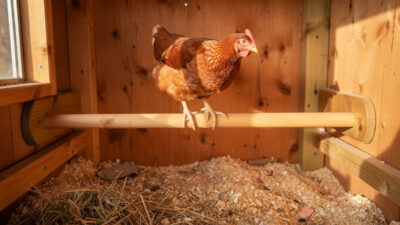
Bumblefoot in Chickens: Signs, Prevention, and Coop Fixes
Bumblefoot is the backyard injury that’s really a coop-design problem wearing a medical disguise. It’s a swollen, sometimes scabbed footpad…
Marek’s Disease in Chickens: Signs, Vaccination, and Prevention
Marek’s disease is the one I most want backyard keepers to understand before they ever buy birds, because it can’t…
Worming Chickens: Internal Parasites, Signs, and Why to Test First
Worming is the area of chicken keeping where the instinct to “just treat them to be safe” does the most…