Category: Feeding, Watering & Nutrition
Automatic feeders, waterers, and nutrition guides for backyard chickens.
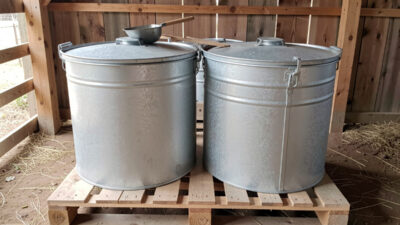
Rodent-Proof Feed Storage for Your Chicken Coop
The fastest way to invite rats and mice into a coop is to leave a bag of feed where they…
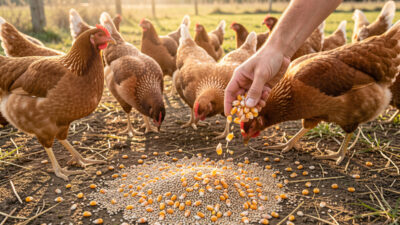
Scratch Grains for Chickens: Treat, Not a Meal
Scratch grains are the most overfed thing in backyard chicken keeping. Scratch is a treat — a cracked-corn-and-grain mix that…
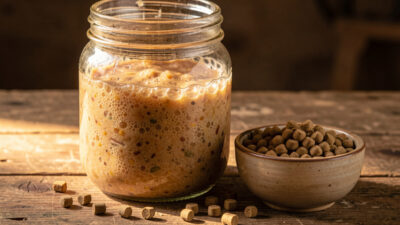
Fermented Chicken Feed: A Practical Keeper Guide
Fermenting chicken feed is the cheapest upgrade in the coop that actually earns its place. Soaking complete feed in water…
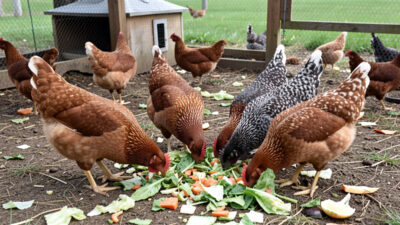
What Treats Can Chickens Eat? Safe and Unsafe Foods
Chickens are enthusiastic about almost anything you hand them, which is exactly why treats are where good intentions wreck a…
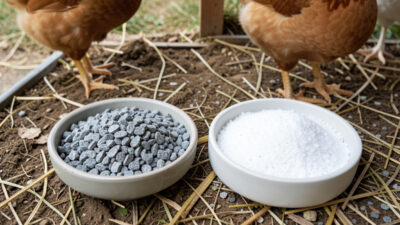
Grit and Oyster Shell for Chickens: What Each One Does
Grit and oyster shell are the two supplements every chicken keeper hears about and almost everyone confuses. Grit is hard…
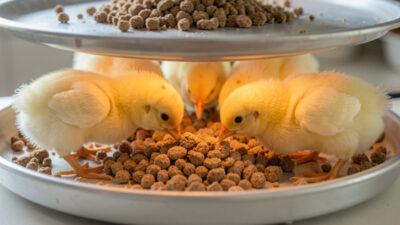
Chicken Feed Protein Requirements by Age: A Keeper Guide
Protein is the nutrient that builds a chicken from the inside out — feathers, muscle, and the egg itself —…
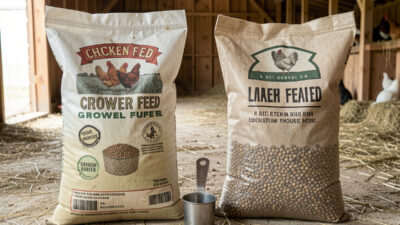
Layer Feed vs Grower Feed: When to Switch Your Chickens
The difference between layer feed and grower feed comes down to one mineral: calcium. Layer feed carries roughly 3.5 to…
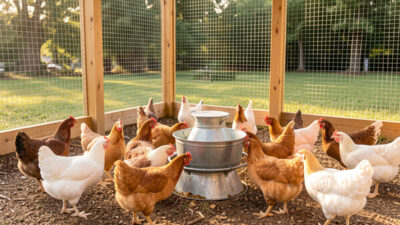
What to Feed Chickens: The Complete Feeding and Nutrition Guide
What you feed chickens decides almost everything you care about: how many eggs land in the nesting box, whether combs…

Egg Handling and Storage: Nest Box to Kitchen
My eggs sit unwashed in a bowl on the kitchen counter, not the fridge, and that’s not neglect — it’s…
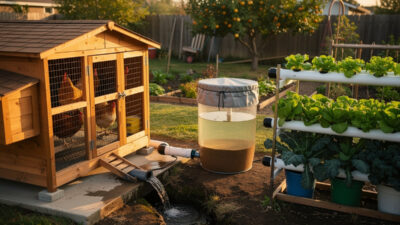
Coop Runoff as Hydroponic Nutrient: Closing the Waste-to-Food Loop
Chicken coop runoff contains dissolved nitrogen, phosphorus, and potassium at concentrations that make it a viable nutrient input for hydroponic…