
Urban chicken laws are set locally, not nationally, which is why they can change from one side of a city boundary to the other — and even within a city, your zoning district, lot size, and HOA covenant can each override the general rule. Roughly 90% of large U.S. cities now permit hens, but the conditions attached are where the real differences live.
I get asked “are chickens legal where I live?” constantly, and the honest answer is always the same: nobody can tell you from the outside, because the rule is stacked from at least three separate documents that often disagree. Before you build a coop or put a deposit on pullets, you need to read all of them. This guide explains how the layers fit together, why two houses on the same street can have different rights, and exactly how to find the text that governs your yard. It pairs with the broader urban chicken keeping guide and the coop-specific rules in the city chicken coop ordinance breakdown.
Why the Law Changes Block to Block
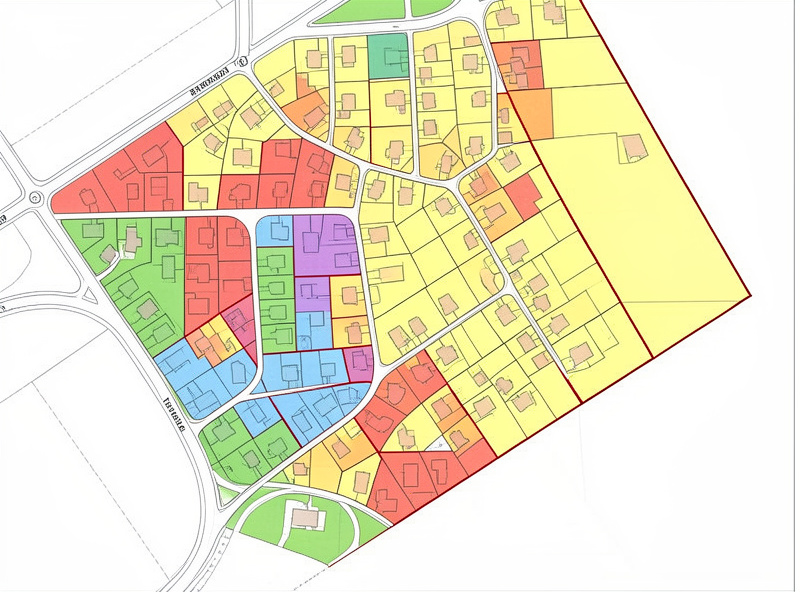
Chicken permission is decided by whichever rule is strictest among your municipal code, your zoning district, and any private covenant — and those three are written by different bodies that never coordinate. A city can legalize hens citywide while a single residential zone or one HOA inside it bans them, and the stricter rule always wins.
This is the part newcomers find maddening. Your city council passes an ordinance allowing six hens. But your parcel sits in a zoning district with a minimum lot size for “agricultural animals,” and your lot is under it. Or your subdivision’s covenants, conditions, and restrictions — a private contract you signed at closing — prohibit “poultry of any kind.” The city ordinance did not erase the HOA contract; both apply, and you must satisfy the strictest. That is how your neighbor three streets over keeps a legal flock while you cannot, on identical lots.

The Four Layers That Govern Your Flock
Four documents can each restrict backyard hens, and you have to clear all four: the municipal code, the zoning ordinance, any HOA covenant, and — if you rent — your lease. Checking only the city ordinance is the most common and most expensive mistake new keepers make.
The municipal or county code is the headline rule most people find first. The zoning ordinance layers lot-size, setback, and district restrictions on top. The HOA covenant is a private contract that can ban hens regardless of what the city allows, and it is enforced by your homeowners’ association, not the city. A lease lets a landlord forbid livestock outright. The table below shows what each layer typically controls and who enforces it.
| Layer | What It Usually Controls | Who Enforces It | Can It Ban Hens Outright? |
|---|---|---|---|
| Municipal / county code | Flock cap, rooster ban, permits, nuisance rules | City animal control or code enforcement | Yes |
| Zoning ordinance | Lot-size minimums, setbacks, allowed district uses | Planning / zoning department | Yes, by district |
| HOA covenant (CC&Rs) | Outright bans, structure rules, aesthetics | Homeowners’ association board | Yes — and commonly does |
| Lease (renters) | Any pets or livestock on the property | Landlord / property manager | Yes |
How to Find the Rule That Applies to You
The fastest reliable path is to search your city or county’s online municipal code library — most are hosted on Municode, American Legal, or Code Publishing — for the words “chickens,” “poultry,” and “fowl,” then call your planning department to confirm your zoning district. Free online searches answer 80% of the question in ten minutes.
Start with the searchable code: type your city name plus “municipal code” and look for the hosted library, then search “poultry,” “fowl,” “hens,” and “livestock.” Read the actual section, not a blog summary, and note the date — codes are amended and an old forum post may be wrong. Next, find your zoning district by entering your address in your city’s GIS or zoning map, then confirm with the planning department by phone that hens are a permitted use there. If you are in an HOA, pull your CC&Rs from the closing packet or the management company. If you rent, ask the landlord in writing. Get every “yes” in writing where you can; a verbal okay from a clerk does not protect you if a neighbor complains later. When you are confirming flock numbers, cross-check the limits in how many chickens are allowed in urban areas.
The Clauses That Catch People Out
Beyond the flock cap and rooster ban, the clauses that most often trip up urban keepers are coop setbacks, slaughter prohibitions, sale-of-eggs rules, and “nuisance” language that lets a single neighbor complaint shut you down. The nuisance clause is the one with teeth, because it is subjective.
A setback requirement — say, the coop must sit 15 or 25 feet from any property line or dwelling — quietly eliminates the only spot in many small yards, so measure before you commit. Many codes ban on-site slaughter and the sale of eggs without a permit, which matters if you imagined a little egg stand. And almost every code carries a nuisance provision: if your coop creates odor, noise, or attracts vermin “to the annoyance of neighbors,” enforcement can order removal regardless of your permit. That is why the social side matters as much as the legal side — managing odor, noise, and a tidy coop is what keeps the nuisance clause from ever being invoked, and it is covered in handling neighbor complaints about chickens. Roosters get their own treatment in are roosters allowed in residential areas.
What to Do If Hens Are Currently Banned
If your jurisdiction prohibits hens, you are not necessarily stuck — many cities have legalized backyard chickens in the last decade after residents petitioned, and ordinances are amended regularly. The realistic move is to organize for a code change, not to keep birds illegally and hope.
Keeping a flock against the rules is the one path I steer everyone away from: a single complaint can cost you the birds and a fine, and it sours neighbors on chickens for everyone. The productive route is the one that has actually worked in city after city — gather neighbors, bring a clean draft ordinance from a comparable city to a council or HOA meeting, and make the quiet, tidy, hens-only case. Many bans are simply old code nobody has revisited. While you wait, learn the build properly so you are ready: the urban keeping guide and the predator-proof coop guide are where I would start.
Related Guides
- The Complete Urban Chicken Keeping Guide
- City Chicken Coop Ordinances Explained
- How Many Chickens Are Allowed in Urban Areas
- Are Roosters Allowed in Residential Areas?
- Handling Neighbor Complaints About Chickens
Frequently Asked Questions
Are backyard chickens legal everywhere in the US?
No. There is no national law; permission is set by each city or county. Roughly 90% of large U.S. cities now allow hens, but conditions vary, and your zoning district or HOA can ban them even where the city permits them.
Can my HOA ban chickens if my city allows them?
Yes. An HOA covenant is a private contract you agreed to, and it can prohibit hens regardless of city law. When the city allows hens but your HOA bans them, the HOA rule wins on your property.
Where do I find my local chicken laws?
Search your city or county’s online municipal code (often hosted on Municode, American Legal, or Code Publishing) for ‘poultry,’ ‘fowl,’ and ‘hens,’ then confirm your zoning district with the planning department. Pull your HOA CC&Rs separately if you have one.
Why are chickens legal on my neighbor’s street but not mine?
Because zoning districts and HOA boundaries do not follow city lines. Two identical lots can fall in different zoning districts or different HOAs, each with its own rule. The strictest applicable rule governs your specific parcel.
What is a nuisance clause and why does it matter?
It is code language allowing enforcement if your flock causes odor, noise, or vermin ‘to the annoyance of neighbors.’ It is subjective and can override a valid permit, which is why managing smell, noise, and tidiness matters as much as the permit itself.
What should I do if my area bans hens?
Organize for a code change rather than keep birds illegally. Many cities have legalized hens after residents petitioned with a clean draft ordinance from a comparable city. Keeping a flock against the rules risks fines and losing the birds to a single complaint.
Related Guides

Handling Neighbor Complaints About Chickens
The best way to handle a neighbor complaint about your chickens is to prevent it: keep the coop odor-free, the…

Keeping Chickens in a Small Backyard
You can keep a happy flock of three to six hens in a backyard as small as a few hundred…

Disguising a Chicken Coop in the Backyard
The best way to disguise a chicken coop is to stop it from reading as a coop at all: paint…