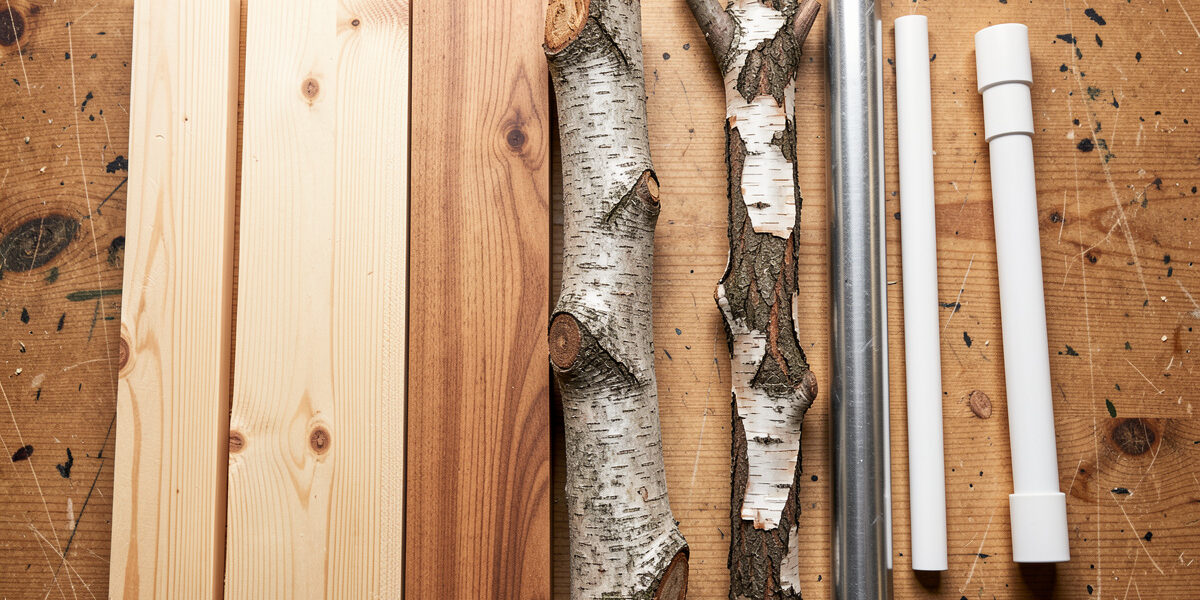
The best roost material for chickens is plain untreated softwood — a pine, spruce, or fir 2×4 laid flat. It’s warm to the foot, non-conductive, cheap, and easy to replace. Debarked hardwood branches at least 2 inches thick also work. The materials to never use are pressure-treated lumber, metal, and PVC or plastic pipe.
I’ve had birds on pine, on oak offcuts, on a birch branch, and — in my regrettable first coop — on a slick round closet rod. Material matters more than people think, because the roost is in contact with a bird’s bare feet for half her life, and in a cold climate the wrong material pulls heat straight out of the foot. Here’s every roost material I’ve actually used, ranked, with the two I’d never bolt into a coop and why — part of my full roost design system.
What Is the Best Material for a Chicken Roost?
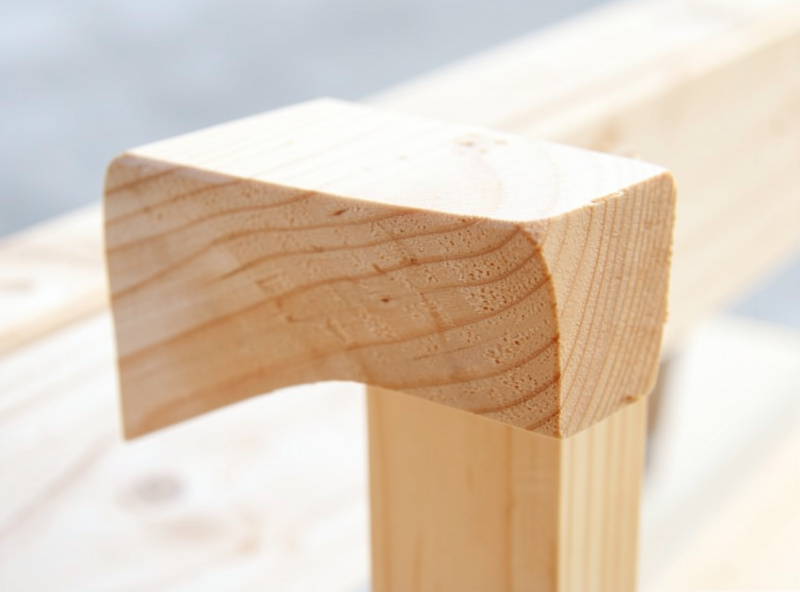
Untreated softwood lumber — a standard pine, spruce, or fir 2×4 — is the best all-round roost material. Wood is non-conductive, so it doesn’t wick heat out of a bird’s foot the way metal does; it’s warm, grippy enough when flat, dirt cheap, and if a bar gets fouled or mite-ridden you replace it for a couple of dollars. This is what I run on every roost in my coop.
The “SPF” stud you buy at any lumberyard — spruce-pine-fir — is exactly right. A nominal 2×4 is a true 1.5 by 3.5 inches, a dressed-lumber standard the American Wood Council documents, so laid flat it gives the ideal 3.5-inch perch that lets a hen sit flat-footed with her toes covered. Sand the top two edges to a soft radius and you’re done. The reason I favor cheap softwood over anything fancier is disposability: a roost bar is a consumable. It takes abuse, it holds moisture, mites colonize its seams, and every few years it wants replacing. Paying a premium for exotic wood on a part you’re going to throw away is a beginner’s instinct. Buy the stud, run it flat, keep a spare in the shop.
Do Natural Branches Make Good Roosts?
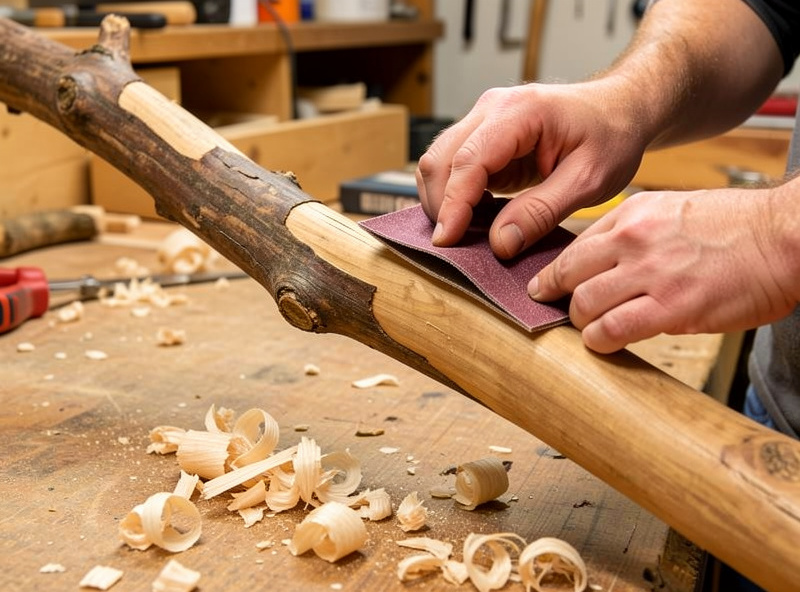
Natural branches make good roosts if they’re thick enough — at least 2 inches in diameter — sturdy, and debarked or thoroughly checked. A gnarled hardwood branch gives birds a varied, interesting grip surface with slight flat spots to settle on, and it looks fantastic. The catch is that bark harbors mites and holds moisture, and thin or green branches rot or flex.
I run a debarked birch branch as a secondary perch in my run, and the birds genuinely enjoy the texture. But I treat any branch with more caution than a milled bar. First, debark it — the cracks and crevices under bark are prime red-mite real estate, exactly the harborage you’re trying to eliminate. Second, sand the top smooth so there’s a flat-ish resting zone. Third, inspect it yearly for rot, splits, and softening; a branch that’s sound this year can be punky the next. Hardwood species like oak, maple, or apple last far longer than a soft, fast-growing branch. For the main sleeping bar in a cold coop I still choose a flat 2×4 over a branch, because toe coverage on a round-ish branch is less reliable in a hard freeze — the reasoning I lay out in flat 2×4 versus round roost.
What About Hardwood, Bamboo, and Other Options?
Hardwood lumber like oak or maple makes an excellent, long-lasting roost if you have offcuts, though it’s overkill to buy new. Bamboo is smooth, can split, and its rounded surface offers poor toe coverage, so I skip it. Dowels and closet rods are round by definition and belong to the “avoid in the cold” category regardless of what they’re made of.
If you happen to have hardwood 2×3 or 2×4 offcuts from another project, use them — they’ll outlast softwood by years and take a beautiful sanded edge. But don’t go out and buy hardwood for a roost; the softwood does the job for a fraction of the price. Bamboo tempts people because it looks clean and natural, but it’s slick when smooth, tends to split along its length as it dries, and its rounded profile leaves toes exposed. The table below is the whole showdown at a glance, ranked the way I’d actually choose.
| Material | Warmth (winter) | Durability | Cost | Verdict |
|---|---|---|---|---|
| Softwood 2×4 (pine/spruce/fir), flat | Good — non-conductive | 3–5 yrs | Very low | Best all-round; what I run |
| Hardwood (oak/maple), flat | Good | 5+ yrs | Higher | Great from offcuts |
| Debarked branch, 2 in+ | Good | 2–4 yrs | Free | Fine sanded; watch rot/mites |
| Bamboo | Fair | Splits over time | Low | Skip — slick, splits |
| Round dowel / closet rod | Fair | Long | Low | Avoid in cold — toes exposed |
| Pressure-treated lumber | Good | Long | Moderate | Never — chemicals near livestock |
| Metal pipe / rebar | Terrible — wicks heat | Long | Varies | Never — frostbite risk, slick |
| PVC / plastic pipe | Poor | Long | Low | Never — too slippery |
What Roost Materials Should You Never Use?
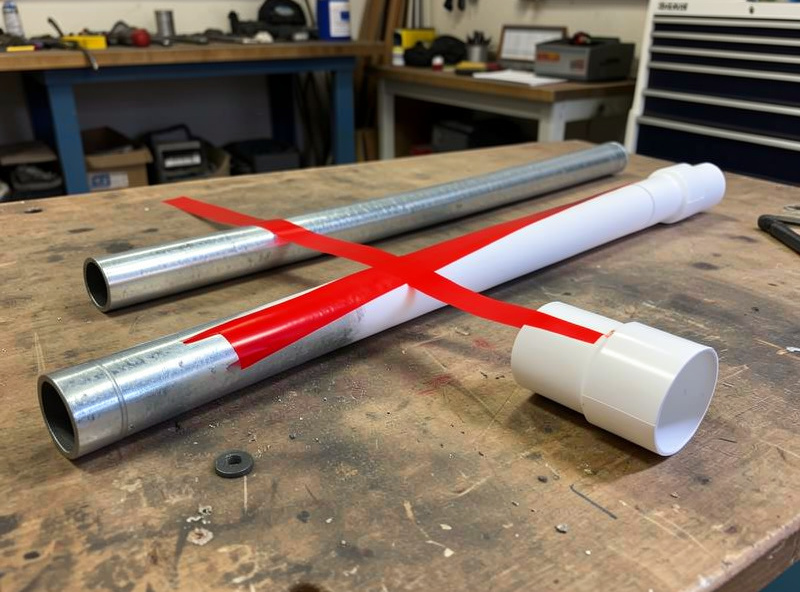
Never use metal, PVC or plastic pipe, or pressure-treated lumber for a roost. Metal is a thermal disaster in winter — it conducts heat straight out of a bird’s foot and can cause contact frostbite. PVC and plastic are dangerously slick, so birds slide and can’t settle. Pressure-treated wood carries preservative chemicals you don’t want against livestock and their eggs.
The metal one is the most dangerous in my climate. A galvanized pipe at −15 °C is a heat sink; a foot resting on it loses warmth far faster than on wood, and I’ve read enough keeper reports of contact frostbite from metal roosts to never let one near my coop. PVC and plastic fail differently — they’re so smooth that birds can’t get purchase and constantly slip, which stresses them and can cause falls. Both metal and plastic also do nothing to let toes stay covered. These aren’t marginal calls; they’re hard nos.
Is Pressure-Treated Lumber Safe for a Roost?
I don’t use pressure-treated lumber for a roost, and I don’t recommend it. Modern pressure-treated wood uses copper-based preservatives that resist rot well, but a roost is in constant contact with a bird’s feet and sits directly above where eggs are laid nearby. There’s no upside worth inviting that chemistry into the coop when plain untreated softwood costs less and works better.
Older pressure-treated lumber used chromated copper arsenate, which the U.S. Environmental Protection Agency phased out of residential use over arsenic concerns; today’s copper azole and ACQ treatments are considered safer for general outdoor use, but “safer for a deck” is not the same as “the surface I want my hens’ bare feet on all night.” For a roost specifically — a consumable indoor part you replace every few years anyway — untreated softwood is cheaper, warmer, and free of the question entirely. Save the pressure-treated lumber for the ground-contact parts of the run frame, not the roost.
How Long Does a Wooden Roost Last?
A softwood roost bar lasts roughly three to five years in normal use before it’s worth replacing; hardwood and well-maintained branches go longer. What kills a roost is moisture and mites, not wear from the birds — a bar in a damp, poorly ventilated coop rots and harbors pests far faster than one in a dry, airy coop.
Because I run my bars as drop-in removable pieces over a poop board, replacing one is a two-minute job and costs pocket change, so I don’t baby them. I inspect the top and the bracket seams whenever I clear the poop board, watch for softening, splits, and the tell-tale grey specks of red mite in the joints, and swap a bar the moment it’s questionable. Keeping the coop dry with good ventilation does more to extend roost life than any material choice — a dry pine bar outlasts a damp oak one. Treat the roost as a consumable, keep spares cut, and material longevity stops being something you worry about.
Can I Reuse Old or Reclaimed Wood for a Roost?
Reclaimed untreated lumber makes a perfectly good roost as long as you can verify it was never pressure-treated or painted with anything questionable, and you check it hard for hidden nails, rot, and mite harborage. An old barn 2×4 or a length of untreated pallet stringer works fine once cleaned up. When in doubt about the treatment history, don’t risk it.
I’ve built roosts from offcuts left over from other shop projects — the same welder-and-workshop setup that builds my run frame and 3D-prints my nesting-box brackets generates a steady supply of clean scrap wood. The rules for reclaimed stock are simple: no visible paint or stain of unknown origin, no green or oily pressure-treated tint, no soft rotten spots, and a careful pass with a nail bar and a flashlight before it goes in the coop. Sand the top flat, ease the edges, and it’s indistinguishable from new. The one thing I won’t reclaim is anything that might be treated — that’s the whole reason to keep a couple of fresh, known-untreated studs on hand. Reusing sound wood is thrifty and completely fine; guessing about chemistry is not.
What I Run and Why
Every main roost in my coop is a plain SPF 2×4 from the local yard, run flat, top edges eased with 80-grit, dropped into open saddle brackets over a removable poop board. The birds sleep flat-footed and warm, the bars pull out in seconds for cleaning and mite checks, and when one’s had its day I spend two dollars and ten minutes replacing it. That’s the whole philosophy: cheap, warm, replaceable.
The birch branch in the run is my one concession to charm, and the flock does enjoy it on mild days. But when the temperature drops and toe coverage becomes a safety issue, everyone’s on the flat softwood bars where I want them. If you take one thing from this: don’t overthink the material. Skip the exotic wood, skip the metal and plastic entirely, buy the cheapest sound softwood stud, run it flat, and put the money and effort you save into getting the height and spacing right instead. That’s where the real difference is.
What is the best material for a chicken roost?
Untreated softwood lumber like a pine, spruce, or fir 2×4 laid flat is the best all-round roost material. It is warm and non-conductive, cheap, and easy to replace when it wears or harbors mites. Debarked hardwood branches at least 2 inches thick also work well.
Can I use a tree branch as a chicken roost?
Yes, if the branch is at least 2 inches in diameter, sturdy, and debarked so bark cracks don’t harbor mites. Sand the top smooth for a resting surface and inspect it yearly for rot and splits. Hardwood branches like oak or apple last much longer than soft, fast-growing wood.
Is pressure-treated wood safe for a chicken roost?
It is not recommended. A roost is in constant contact with a bird’s bare feet, and there is no reason to put preservative chemicals there when plain untreated softwood is cheaper and works better. Save pressure-treated lumber for the ground-contact parts of the run frame.
Why should you never use a metal roost?
Metal conducts heat, so in cold weather it wicks warmth straight out of a bird’s foot and can cause contact frostbite. It’s also slick, giving birds poor footing. Wood is non-conductive and much safer for a roosting bird’s feet in winter.
Keep Building
Related Guides
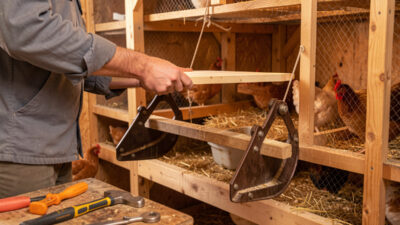
DIY Removable Roost Bars for Fast Cleaning and Mite Checks
The best roost you can build is one you can lift out in ten seconds without a tool. Removable roost…
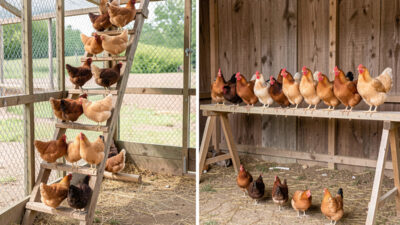
Ladder Roost vs Single-Level: Which Suits a Mixed Flock
For most mixed-size backyard flocks, a single-level roost wins. Putting every bird on one horizontal bar at the same height…
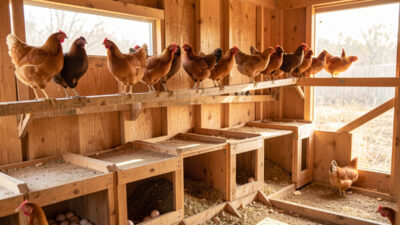
Roost Above the Nesting Box: The Height Rule for Floor Eggs
The rule is simple: the roost must sit higher than the top of your highest nesting box — ideally 6…