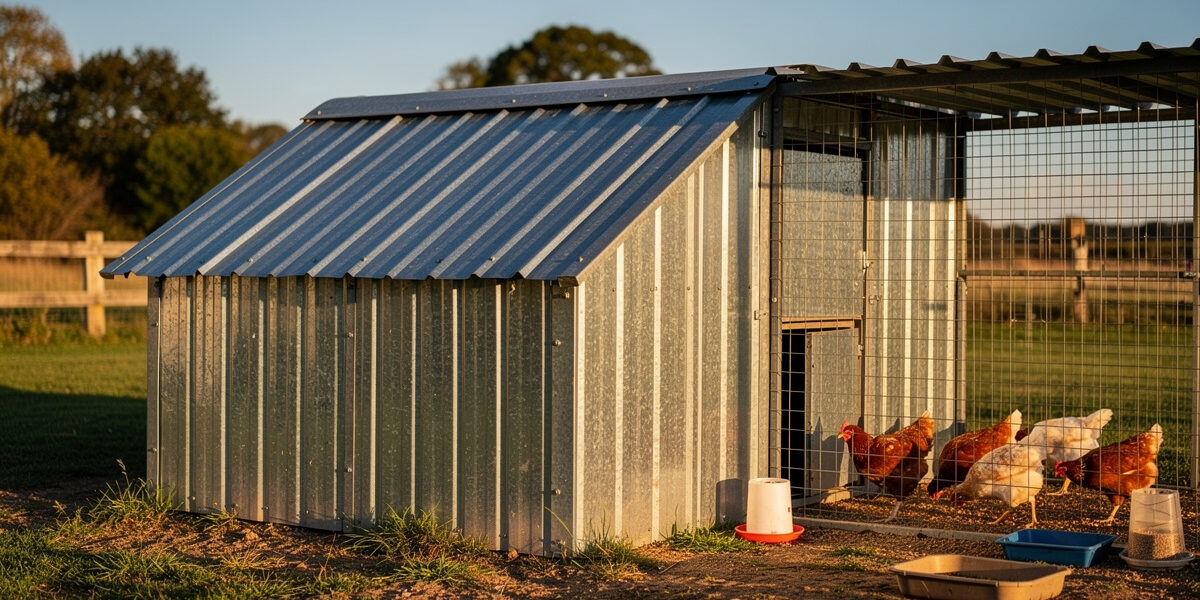
A metal chicken coop costs roughly $300–$700 for a 4–8 hen setup, is commonly rated 15–25 years by the manufacturers who sell them, and is about as close to predator-impervious as a single-unit coop gets. The two real risks: summer heat (uninsulated metal can push interior temperatures well into heat-stress territory under direct sun) and winter condensation (metal walls drip moisture onto bedding). Both are solvable with insulation panels. This guide covers when metal is the right pick, the best 2026 models, and the climate workarounds that make metal coops viable in any region. My own coop body is wood, not metal — but the run frame is welded steel, and I’ve watched bare steel tubing sweat with condensation on a cold morning enough to know I would not run an uninsulated all-metal coop through a Swedish winter without insulating first. Cold steel turns the condensation that frostbites combs in any coop into a daily drip onto the bedding.
Metal chicken coops are a different category from metal chicken runs — runs are open-mesh enclosures, coops are enclosed sleeping/laying structures. For the broader material decision, see our Chicken Coop Materials Guide.
As an Amazon Associate I earn from qualifying purchases.
When Metal Is the Right Pick
Metal chicken coops dominate three specific use cases.
High predator pressure. Rural settings with active raccoon, fox, coyote, or bear pressure are where metal earns its premium. A galvanized steel coop with secure latches and a buried apron is essentially impossible to breach overnight. Wood coops in the same setting need extensive hardware cloth reinforcement; metal coops do not.
Production-scale flocks (15+ hens). The lifespan and biosecurity advantages compound at scale. Production keepers running 20–50 hens almost universally choose metal because the cost-per-bird-year is lowest over a 20-year horizon.
Coops that need to look industrial or institutional. Schools, urban farms, agricultural research, and small-scale commercial layers often need a coop that visibly meets biosecurity standards. Metal looks the part and disinfects the way the part is supposed to disinfect.
Galvanized Steel vs Powder-Coated Steel
The two real metal coop materials are galvanized steel (zinc-coated, raw silver-grey finish) and powder-coated steel (galvanized base + colored polymer finish). Functionally similar, with one trade-off:
Galvanized generally wins on raw longevity — the zinc coating sacrificially corrodes to protect the steel underneath it, so small scratches don’t turn into rust spots the way they can on a powder-coat finish. Powder coat looks better and lighter colors reflect more heat, which matters in the heat-management section below, but the coating is barrier protection only — once it chips at an impact point, the exposed steel underneath has no self-protecting mechanism and can corrode, especially in humid climates.
For appearance and summer heat management, choose powder coat. For pure longevity in any climate, choose galvanized.
The Summer Heat Problem (and the Fix)
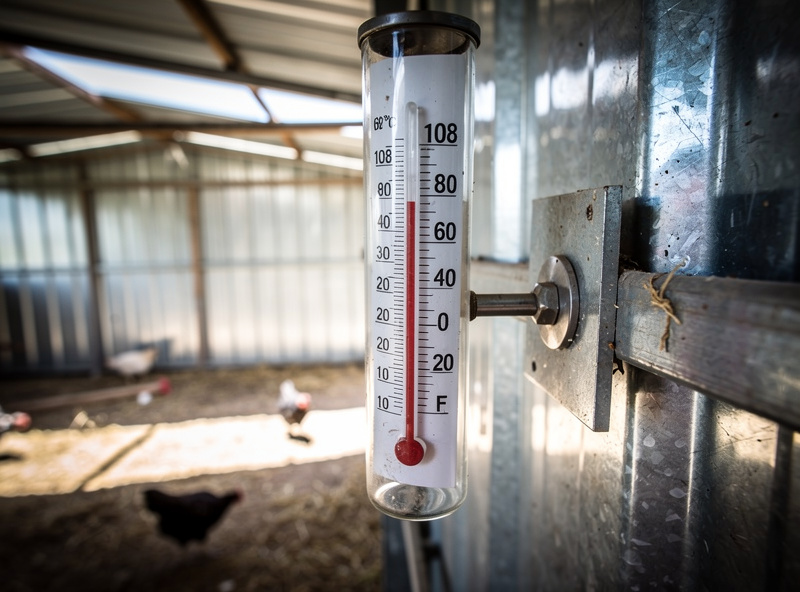
Bare dark metal under direct sun commonly reaches surface temperatures well above the air temperature — a metal roof or wall on a 95°F day is a genuinely hot surface to the touch. Uninsulated, that heat radiates straight into the coop with nothing to slow it down. It matters because chickens start showing heat stress well before it feels dangerous to a person standing outside: Penn State Extension puts panting onset around 80–85°F and flags sustained exposure near 100°F as a genuine fatality risk without intervention. An uninsulated metal coop in full summer sun can get there.
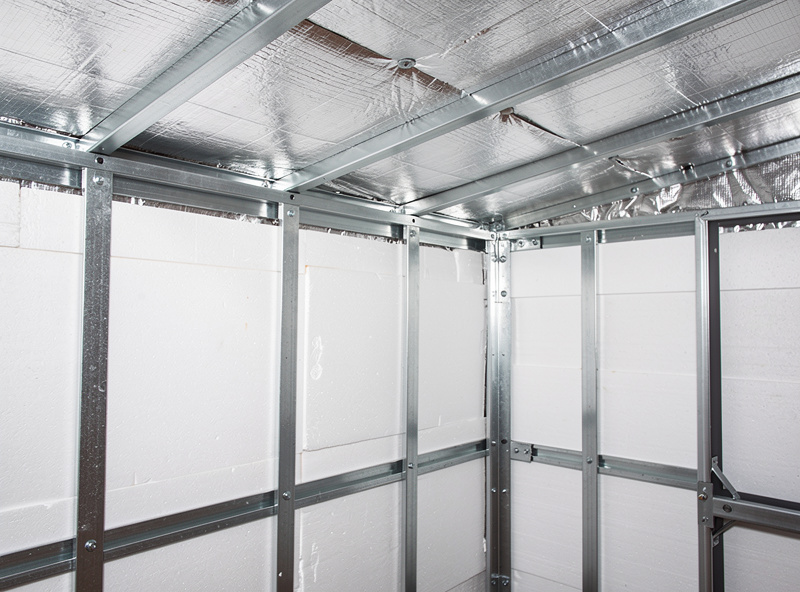
The fix is rigid foam insulation panels. Cut 1"-thick polyiso foam to fit each interior wall and the roof, glue with construction adhesive. It’s the same principle I’d apply to any uninsulated metal structure — separate the living space from the metal skin and the heat problem drops substantially. Budget roughly $80–$150 in foam and adhesive for an 8-bird coop; the exact interior temperature drop depends on your climate and ventilation, but it’s the difference between survivable and dangerous on the worst days.
Alternative or additional fixes:
- Tarp shade cover over the coop during peak heat (saves another 10–15°F). $20–$40.
- White-painted exterior reflects solar absorption (drops surface temps by 20°F+). Cosmetic but effective.
- Forced ventilation fan with a thermostatic switch (turns on at 85°F, off at 75°F). $30–$60 plus power.
In the hottest climates (Phoenix, Tucson, southern Texas), all three modifications combine to keep interior temperatures under 95°F even on 110°F+ days.
The Winter Condensation Problem
The opposite climate problem: in winter, cold metal walls condense humidity from hen breath into liquid water. The water drips onto bedding, soaking it; wet bedding causes mold, ammonia, and frostbite from the cold-wet combination on combs and wattles.
Same fix — rigid foam insulation panels. The foam separates the warm interior air from the cold metal surface, eliminating the condensation point. After insulating, a metal coop in zone 4 performs equivalent to an uninsulated wood coop in the same conditions.
Verify insulation effectiveness by looking for water stains running down interior walls in late winter. None means the insulation is doing its job; visible stains mean the panels have detached or developed a thermal bridge.
Best Metal Chicken Coops 2026
| Model | Capacity | Material | Price | Notes |
|---|---|---|---|---|
| Veikous Large Walk-In Metal Coop w/ Run | 15 hens | Galvanized steel roof + mesh | $648–$698 | Best value; walk-in size at a mid-tier price |
| Producer's Pride Guardian | 14 hens | Powder-coat steel frame, PVC roof | ~$749–$800 | Tractor Supply availability |
| Producer's Pride Hill Country | 6 hens | Steel frame + reinforced PVC/wood panels | ~$650 (watch for seasonal sales) | Small-flock steel pick |
| OverEZ Medium | 10 hens | Wood siding/floor + galvanized metal roof, steel-tube run | ~$1,599–$1,999 | Best-of-both hybrid; see Over EZ review |
| VEVOR Walk-In Metal Coop | Varies by size (multiple footprints sold) | Galvanized steel | Price scales with size — check current listing | Budget-flexible, expandable run footprint |
The Veikous walk-in is the easiest recommendation for most backyards: a genuine galvanized roof and mesh build, a 15-bird capacity that gives room to grow into “chicken math,” and a price that undercuts most of the premium tier without cutting corners on the metal itself. If you want wood’s modification-friendliness with a metal roof and steel-tube run doing the heavy lifting on weather and predators, OverEZ is the real hybrid — just budget for it; it’s priced closer to premium plastic than to budget metal, correcting an earlier version of this guide that understated it.
Predator Resistance Stack
Metal coops are predator-resistant but not predator-proof out of the box. The three vulnerabilities:
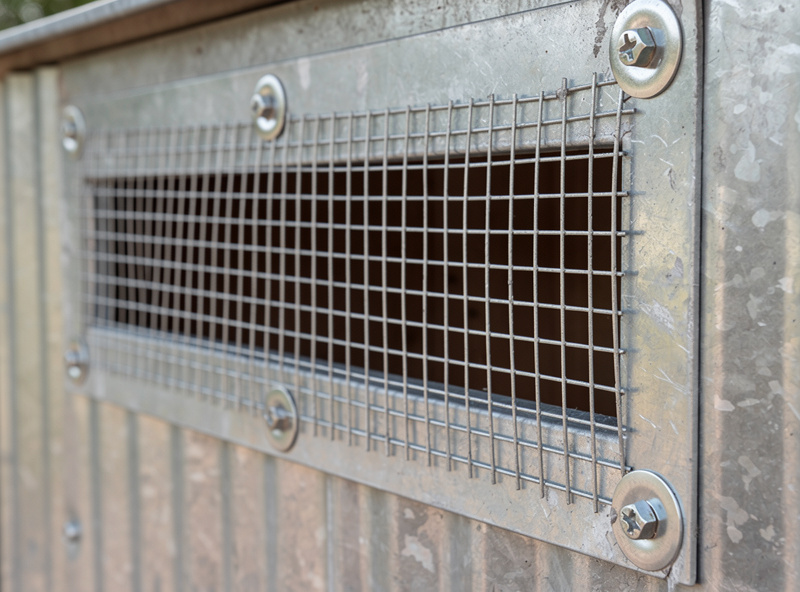
Vents and pop-door gaps. Predators get through openings, not through walls. Add 1/2" hardware cloth on every vent and double-check pop-door gap closure. Standard automatic coop doors close to within 1/2" of the threshold; older models leave 1" gaps that weasels exploit.
Buried apron skirt. Foxes and coyotes dig under walls. Bend 12 inches of hardware cloth outward at the base of the coop and bury it 4 inches deep. Same protocol as wood and plastic coops; metal walls do not stop digging — it’s the single upgrade on my own run that stopped every digging attempt cold, and I treat it as non-negotiable regardless of what material the walls above it are made of.
Latch quality. Standard barrel bolts can be opened by raccoons within minutes. Use carabiner-locked T-handle latches or padlocks. See Raccoon-Proof Coop Latches for specific picks.
With these three reinforcements, a metal coop becomes the most secure single-unit option available.
Modifying Metal Coops
Metal coops are the hardest material to modify after purchase. Cutting steel needs a metal-cutting jigsaw blade, an angle grinder, or a plasma cutter — all of which most backyard keepers do not own. Drilling needs cobalt or carbide bits; standard wood bits dull immediately.
Practical modifications keepers make:
- Adding ventilation: drill 1/2" holes in patterns of 4–8 holes near the ridge line; cover with hardware cloth glued from the inside.
- Aftermarket pop door: rare. Most metal coops ship with pop doors integrated; replacing them requires cutting a square hole in the wall, which most owners pay a metal fabricator to do ($60–$120).
- Run attachment: easier — bolt or clamp a wire or wood run frame to the metal coop's door opening using L-brackets through pre-drilled holes.
If you anticipate frequent modifications over the coop's life, choose wood instead.
Frequently Asked Questions
Are metal chicken coops too hot in summer?
Yes — uninsulated metal absorbs and radiates heat with nothing to slow it down, and chickens start showing heat stress around 80-85F with a genuine fatality risk near sustained 100F (per Penn State Extension). Add 1-inch rigid foam insulation panels (roughly 80-150 dollars for an 8-bird coop) to bring interior temperatures down substantially.
How long do metal chicken coops last?
Galvanized steel coops are commonly rated 15-25 years with no maintenance beyond inspecting seams and rivets annually. Powder-coated steel is typically rated somewhat less depending on climate; chips in the coating expose raw steel to corrosion in humid environments.
Do metal coops cause condensation in winter?
Yes — cold metal walls condense humidity from hen breath into liquid water that drips onto bedding. The fix is the same rigid foam insulation panels that solve summer heat: foam separates warm interior air from cold metal surface, eliminating the condensation point.
Is galvanized or powder-coated steel better for chicken coops?
Galvanized generally wins on longevity because the zinc coating sacrificially corrodes to protect the steel underneath, so scratches don’t turn into rust spots. Powder coat looks better and lighter colors reflect more sunlight, but it’s barrier protection only — once it chips, the exposed steel has no self-protecting mechanism. For pure longevity choose galvanized; for appearance and summer heat management choose powder coat.
Are metal chicken coops predator-proof?
Predator-resistant but not predator-proof out of the box. Add hardware cloth on every vent and pop-door gap, bury an apron skirt 4 inches deep around the perimeter, and use carabiner-locked T-handle latches. With those three reinforcements, metal becomes the most secure coop material.
Can I modify a metal chicken coop after buying it?
Possible but harder than wood — cutting steel needs a metal-cutting jigsaw or angle grinder, drilling needs cobalt bits. Practical modifications include adding ventilation holes (drill plus hardware cloth) and bolting a run frame to the door. Most owners pay a metal fabricator 60-120 dollars for major cuts.
Related Articles
- Chicken Coop Materials: Plastic vs Metal vs Wood
- Plastic Chicken Coops: Pros, Cons & Best Models
- Wood Chicken Coops: Traditional Picks Compared
- Predator-Proof Chicken Coop Defense Guide
- Best Chicken Coop Brands 2026
Related Guides
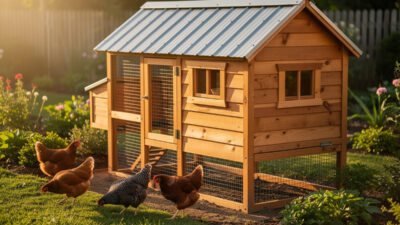
Wood Chicken Coops: Traditional Picks Compared
Wood is the default chicken coop material for backyard flocks because it's cheap upfront ($200–$500 for an 8-bird coop), insulating,…
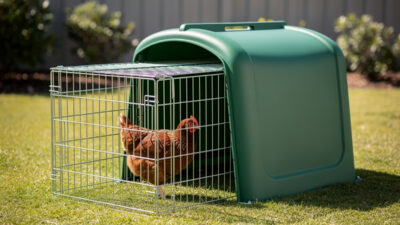
Plastic Chicken Coops: Pros, Cons & Best Models
A high-quality plastic chicken coop runs roughly $400–$900 for a 4–8 hen setup, is commonly rated 15–20 years by the…
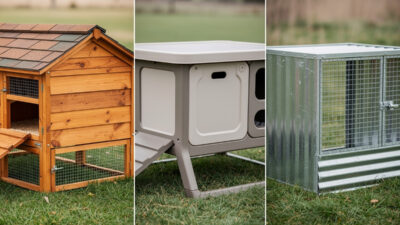
Plastic vs Metal vs Wood Chicken Coops: Material Guide
For most backyard flocks, treated wood is still the best chicken coop material — easy to modify, cheapest upfront, and…